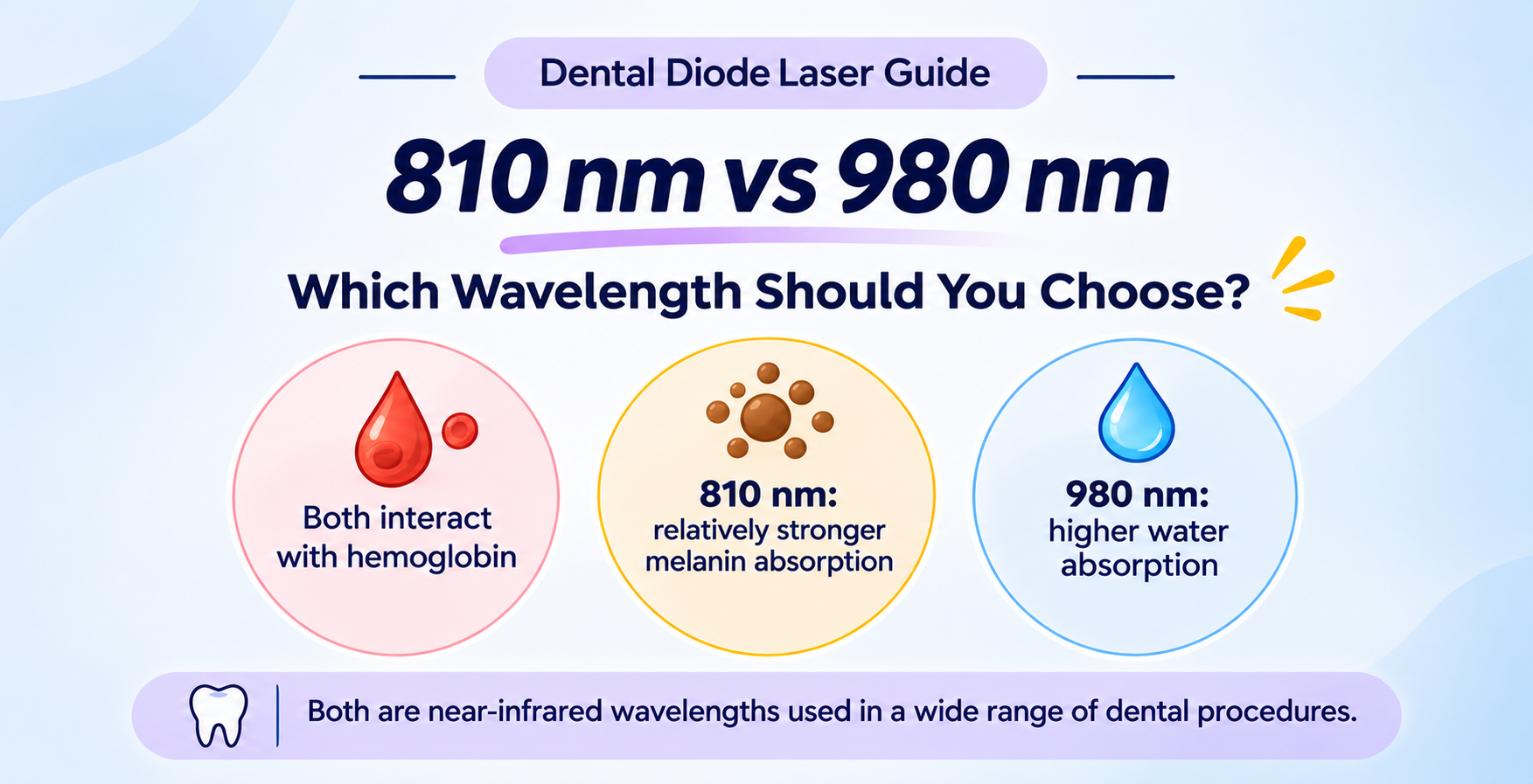
810 nm vs 980 nm Dental Diode Lasers: Which Wavelength Should You Choose?
810nm vs 980nm dental laser? Choose by case mix — hemostasis, PBM, or irrigated ablation. What each wavelength fits, and what to check before you buy.
Read more ›
810nm vs 980nm dental laser? Choose by case mix — hemostasis, PBM, or irrigated ablation. What each wavelength fits, and what to check before you buy.
Read more ›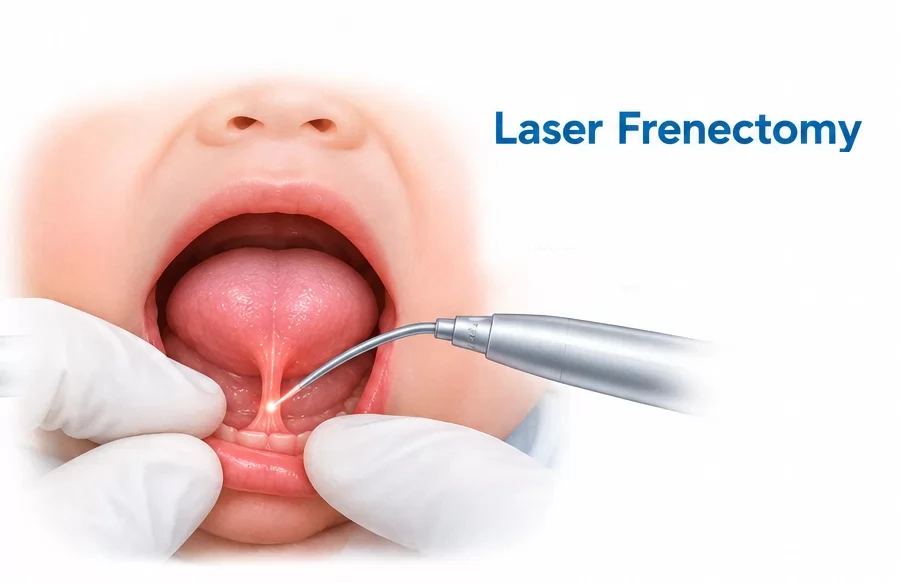
A prospective cohort study published in the European Journal of Paediatric Dentistry evaluated breastfeeding outcomes following laser-assisted release of tongue-tie, lip-tie, and buccal-tie in 132 breastfeeding dyads.
Read more ›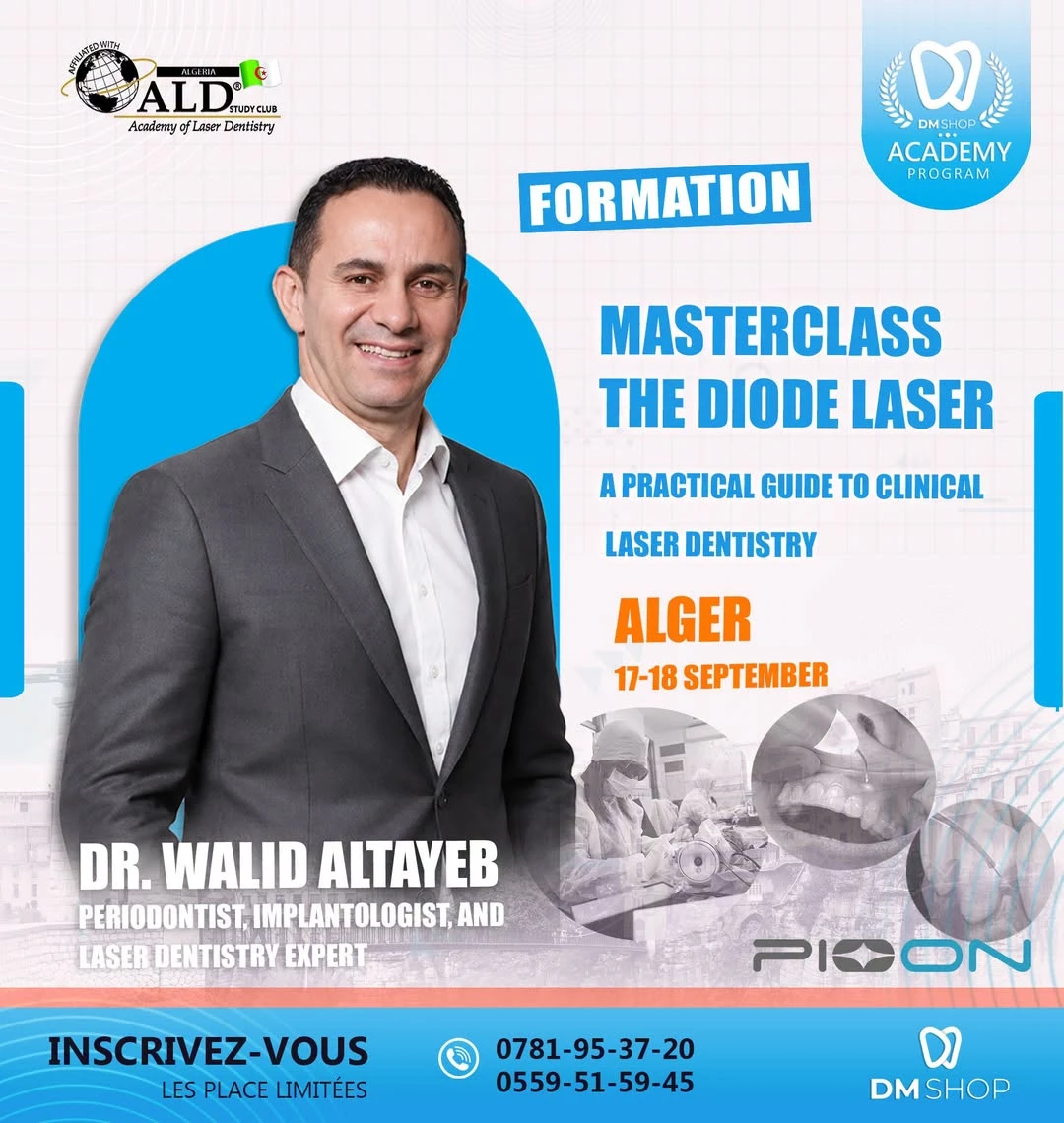
A great opportunity for dental professionals to learn, exchange clinical experience, and further explore the applications of diode laser technology.
Read more ›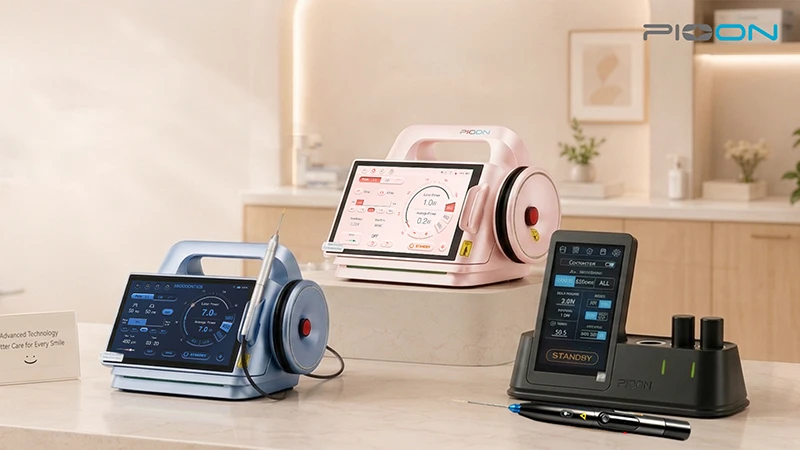
Compare dental diode laser features, wavelengths, clinical uses, safety requirements, ROI factors, and supplier checks for general dentistry clinics. Learn when Pioon dental lasers fit the shortlist.
Read more ›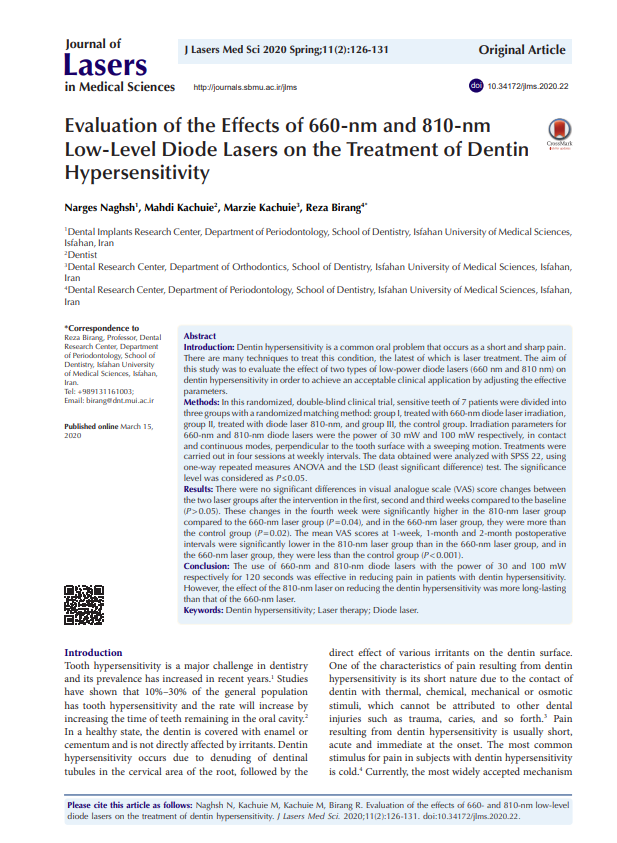
Discover how 660 nm and 810 nm low-level diode lasers effectively reduce dentin hypersensitivity. This comparative clinical study evaluates pain reduction, treatment comfort, and long-term outcomes in patients using two wavelengths. Results demonstrate that both lasers significantly alleviate sensitivity, with the 810 nm wavelength showing slightly greater efficacy
Read more ›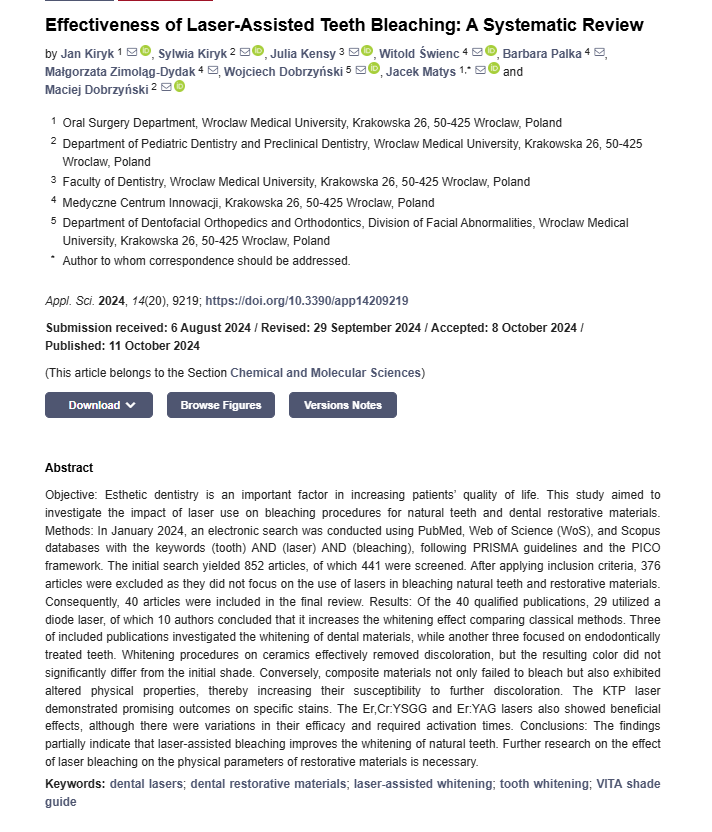
This review examines the effectiveness of laser-assisted teeth bleaching on natural teeth and dental restorative materials, adhering to PRISMA guidelines. The study includes both in vitro and in vivo laser conditioning studies with color evaluation and a control group
Read more ›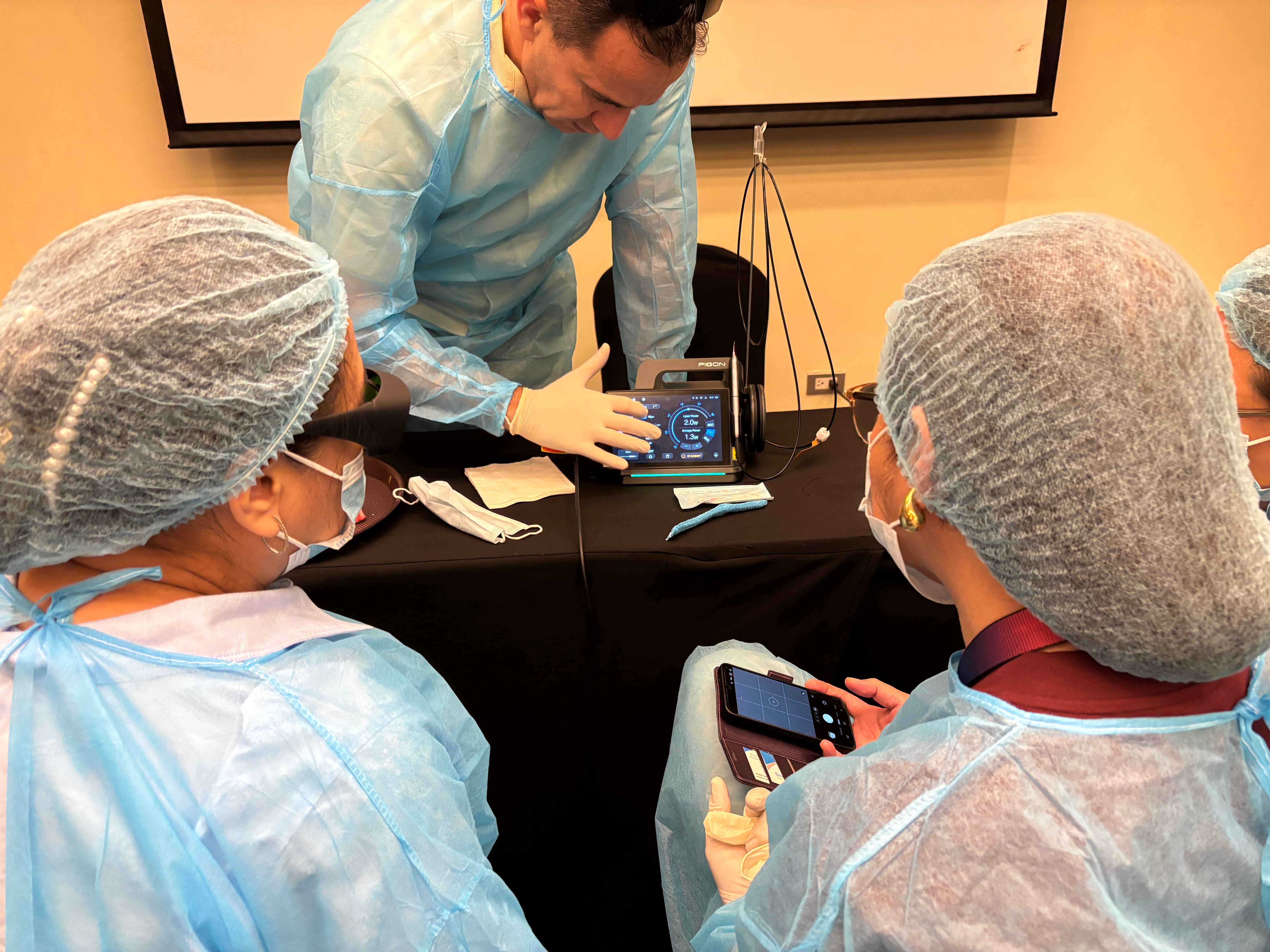
Looking to invest in a dental diode laser? This comprehensive guide compares key features, prices, and clinical applications to help distributors and dental practice owners choose the best device. Understand what truly matters — from wavelength versatility and connectivity to preset protocols and ROI. Whether you're expanding your product line or upgrading your clinic, this article breaks down the essential factors to evaluate performance, usability, and long-term value.
Read more ›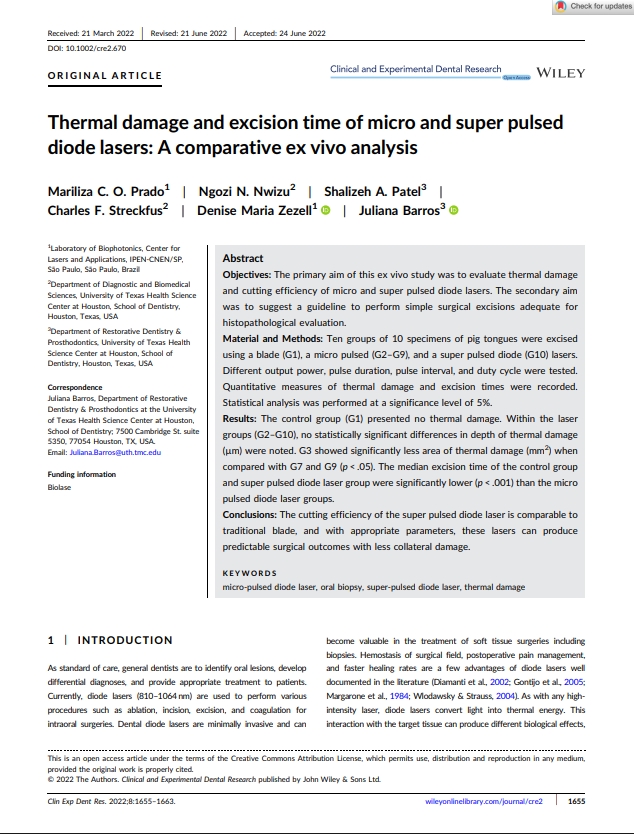
The primary aim of this ex vivo study was to evaluate thermal damage and cutting efficiency of micro and super pulsed diode lasers. The secondary aim was to suggest a guideline to perform simple surgical excisions adequate for histopathological evaluation
Read more ›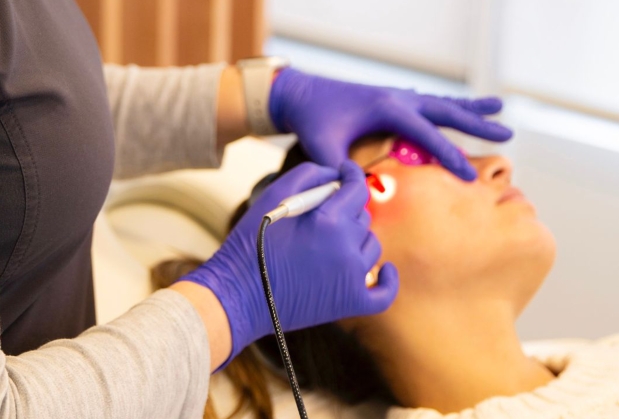
Explore the differences between dental diode lasers, CO₂ lasers, and Er,Cr:YSGG lasers in terms of wavelength, applications, clinical effectiveness, and cost. This guide compares key features, advantages, and limitations of each laser type to help dentists choose the right tool for their practice
Read more ›