Frequently Asked Questions
Frequently Asked Questions About EVLT
What is EVLT (Endovenous Laser Treatment)?
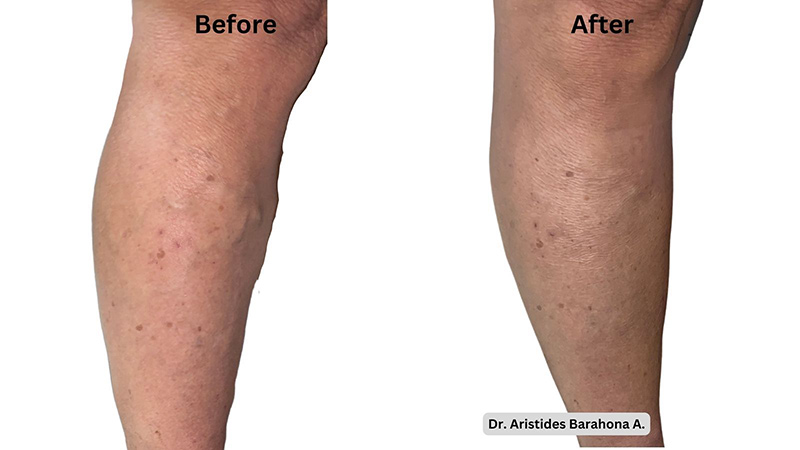
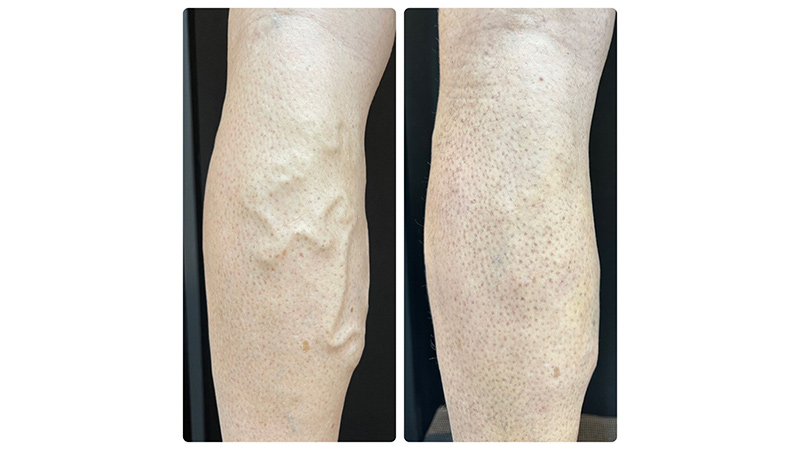
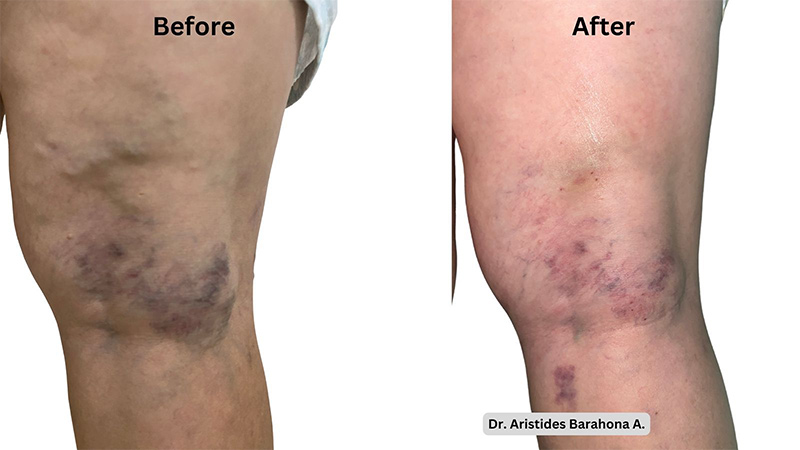
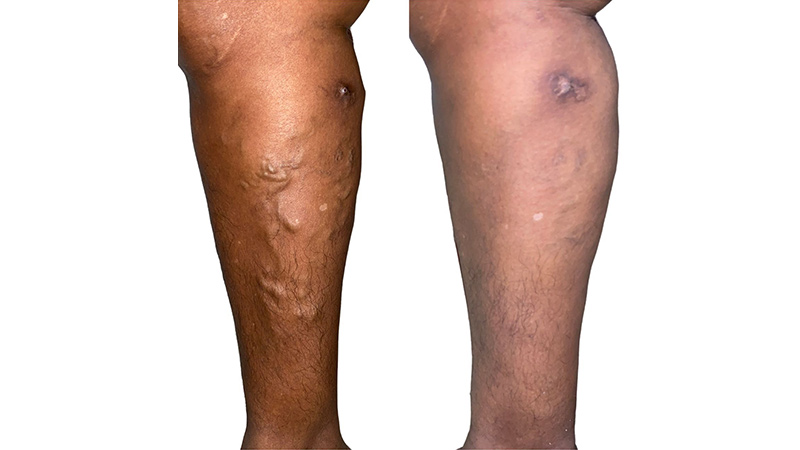
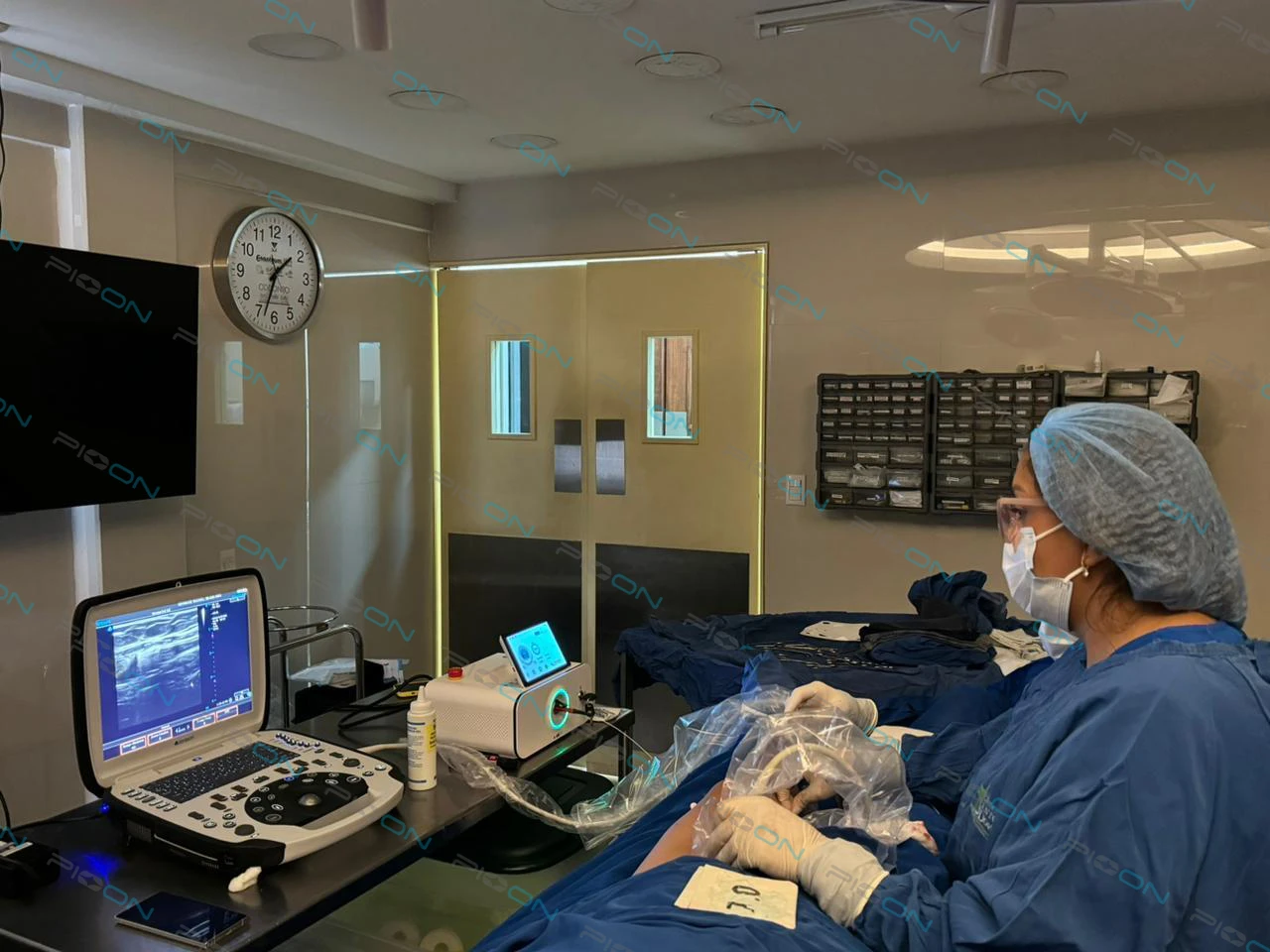
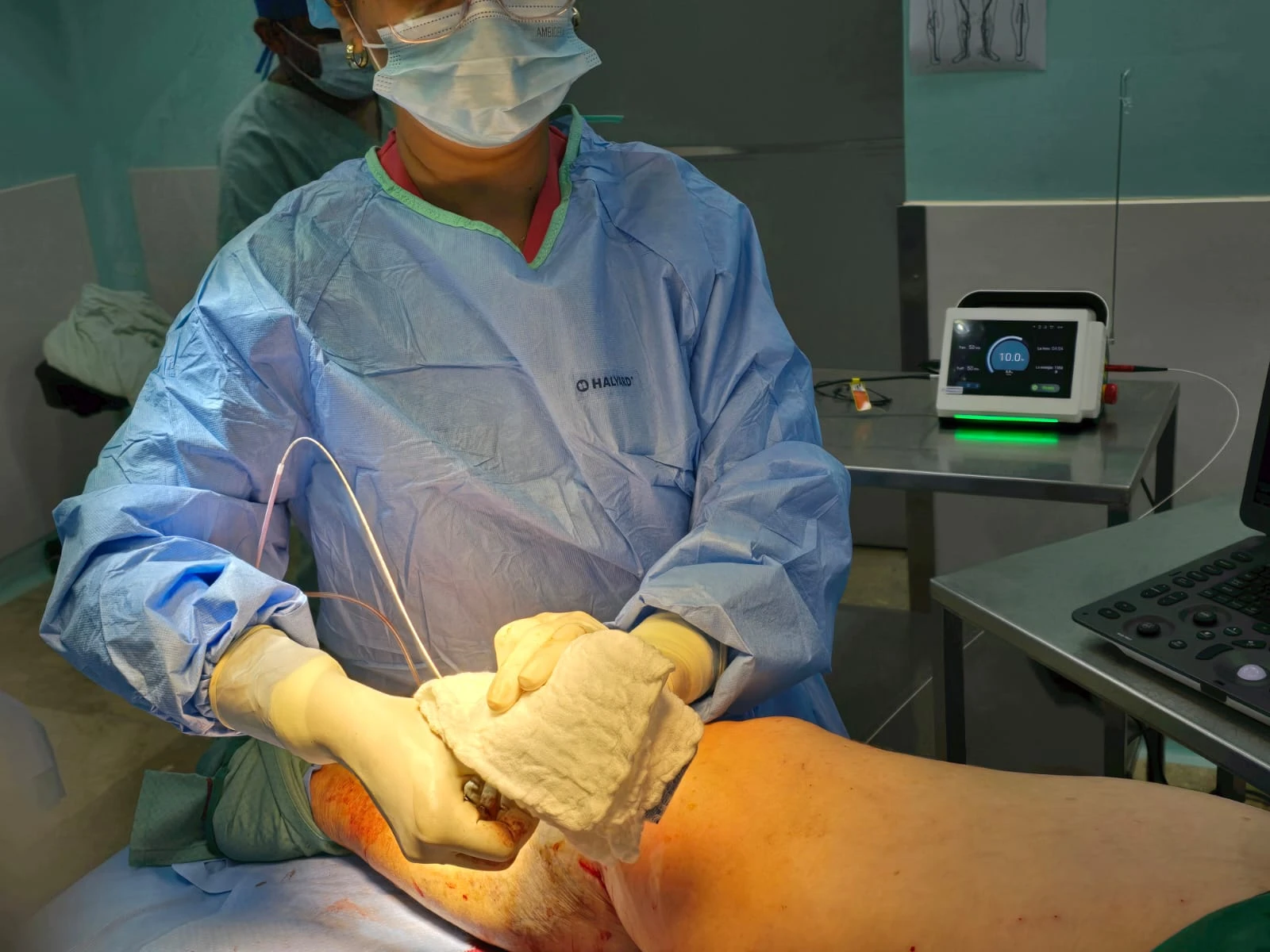
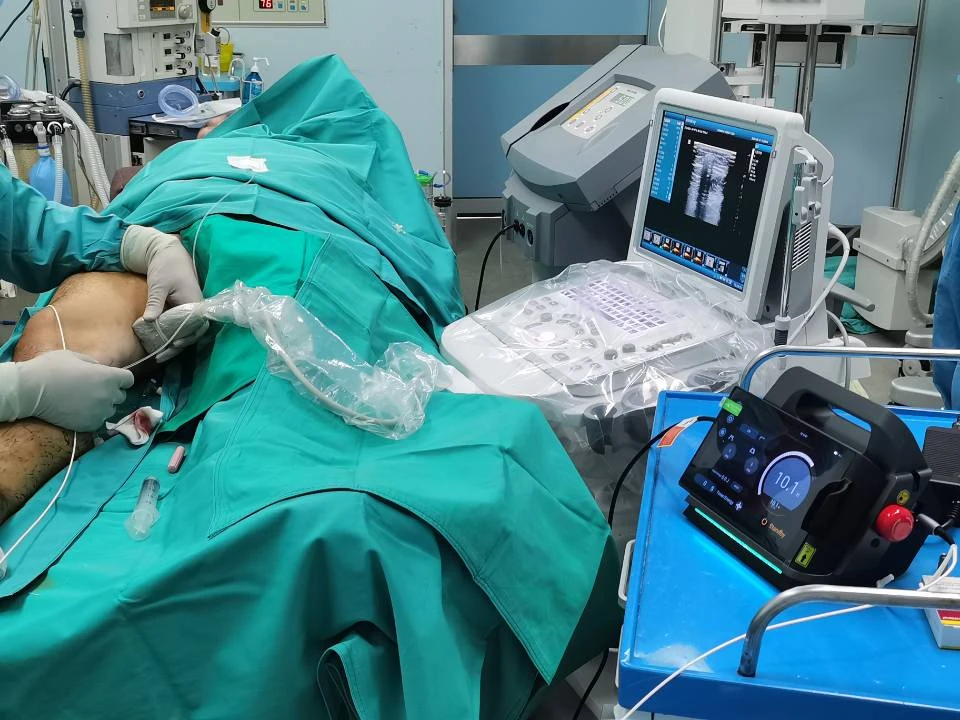
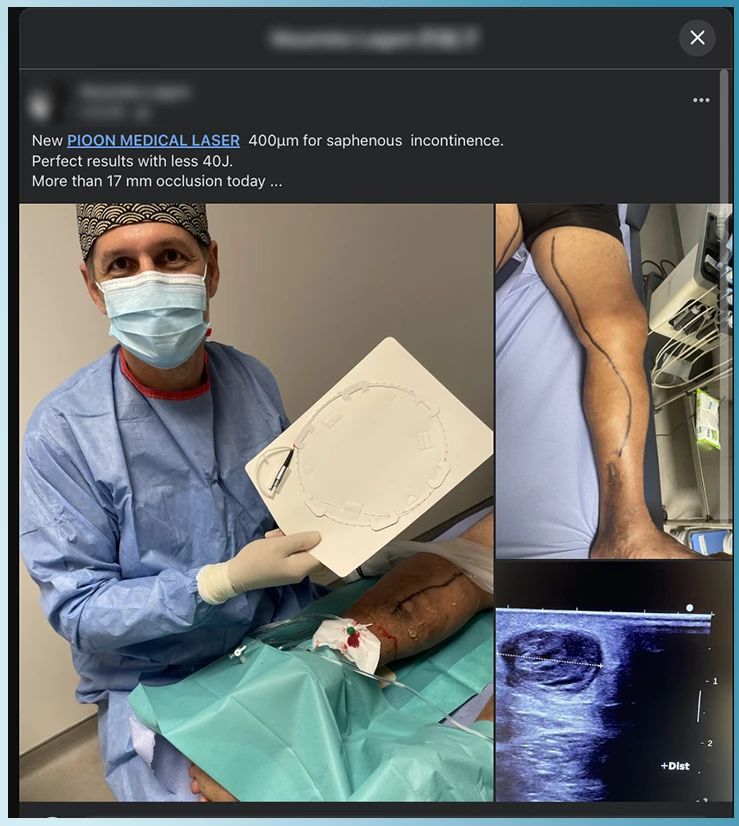
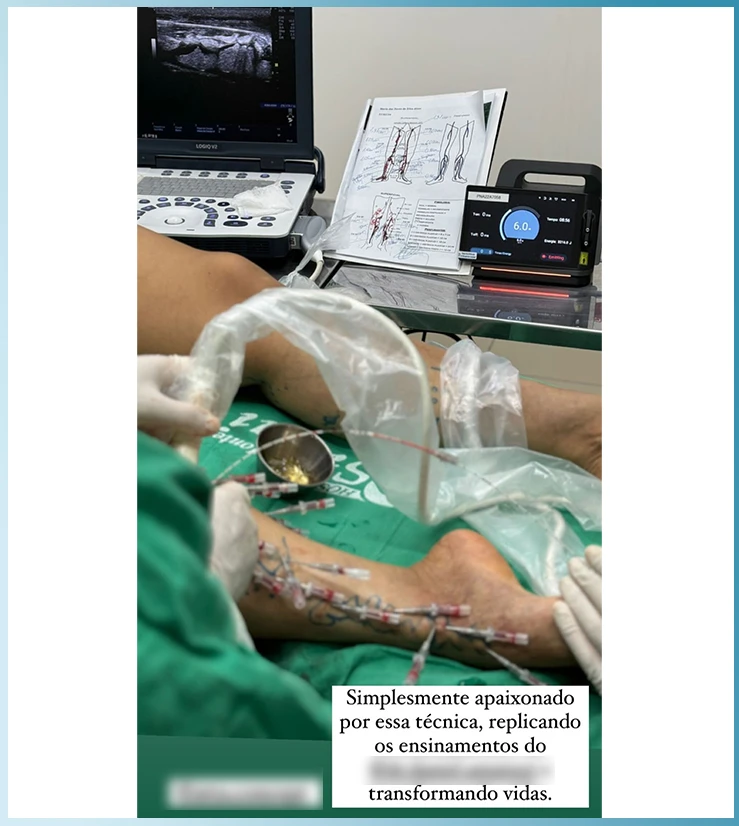
EVLT is a minimally invasive procedure that uses laser energy delivered through a thin fiber to close
varicose veins from inside the vessel, avoiding the need for surgical stripping.
How does EVLT work?
EVLT works by delivering controlled laser energy through an optical fiber placed inside the diseased
vein.
The thermal energy causes the vein wall to collapse and permanently close. Over time, the treated vein
is
absorbed by the body while healthy veins continue normal circulation.
What are the advantages of EVLT compared with vein stripping surgery?
Compared with conventional vein stripping surgery, EVLT offers several advantages:
- Minimally invasive treatment with only a small puncture
- Performed under local anesthesia
- Short outpatient procedure
- Faster recovery and return to daily activities
- Reduced postoperative pain and bruising
- High long-term vein closure rates supported by clinical studies
These benefits have made EVLT one of the preferred treatments for varicose veins worldwide.
What is the difference between EVLT and Radiofrequency Ablation (RFA)?
Both EVLT and Radiofrequency Ablation (RFA) are minimally invasive thermal ablation techniques used to
treat varicose veins. They share similar clinical goals and high success rates.
The main difference lies in the energy source:
- EVLT uses laser energy delivered through an optical fiber.
- RFA uses radiofrequency energy delivered through a specialized catheter.
Clinical guidelines recognize both techniques as effective treatment options, with device
availability,
physician preference, and local market demand often influencing the choice.
What's the difference between 1470nm and 1940nm EVLT lasers?
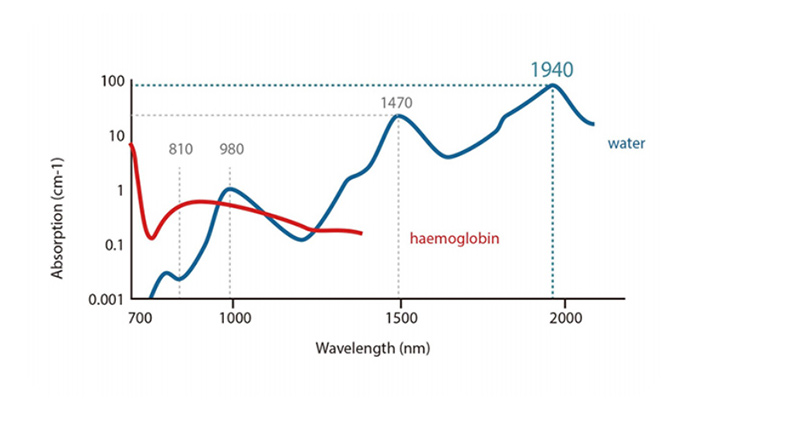
1470nm is the most widely adopted wavelength with extensive long-term clinical evidence. 1940nm has
higher
water absorption and lower penetration depth, and is gaining adoption in select markets for specific
clinical preferences.
Why are radial fibers preferred for modern EVLT?
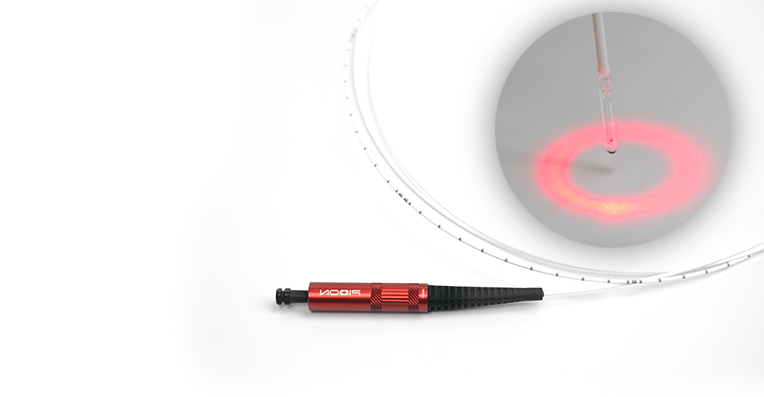
Radial fibers emit laser energy circumferentially rather than forward, creating a more uniform
distribution
of thermal energy along the vein wall.
Compared with traditional bare fibers, radial fibers may offer:
- More uniform vein wall ablation
- Reduced carbonization
- Lower perforation risk
- Smoother fiber withdrawal
- Improved procedural consistency
As a result, radial fibers have become the preferred fiber design for many modern EVLT procedures.
What equipment is required for a complete EVLT procedure?
A complete EVLT solution typically includes:
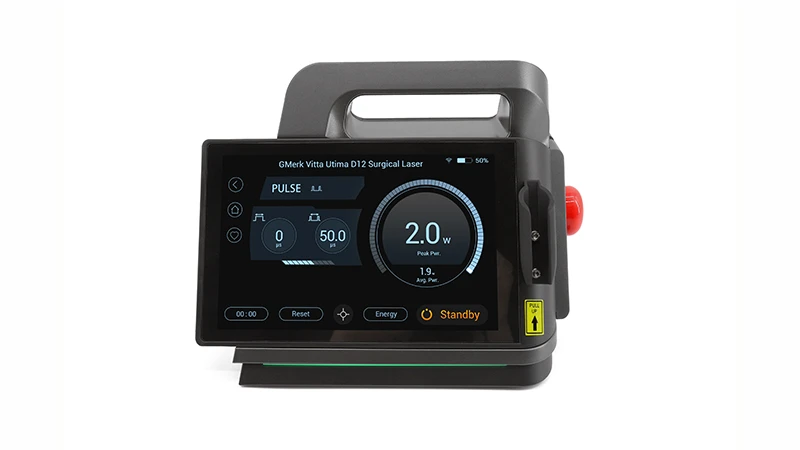
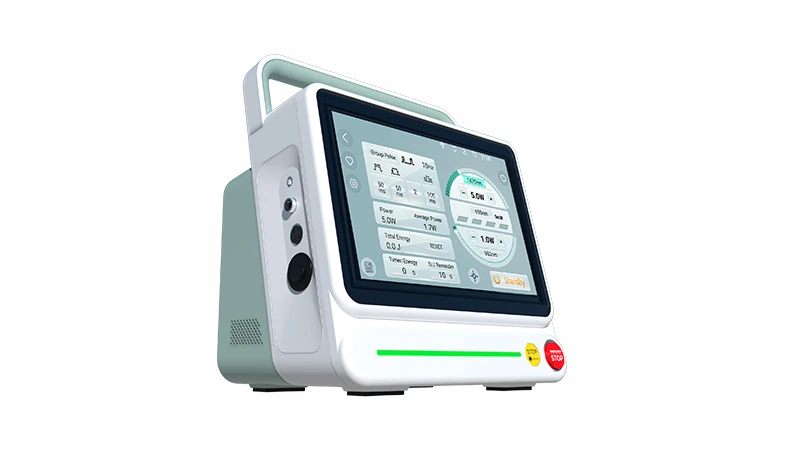
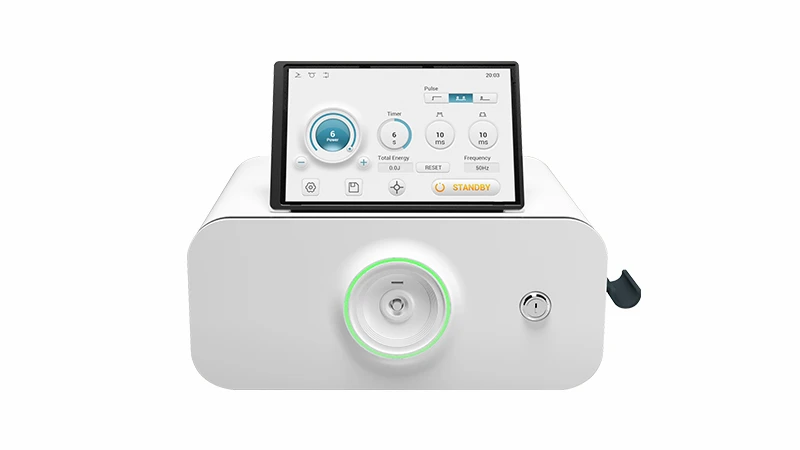
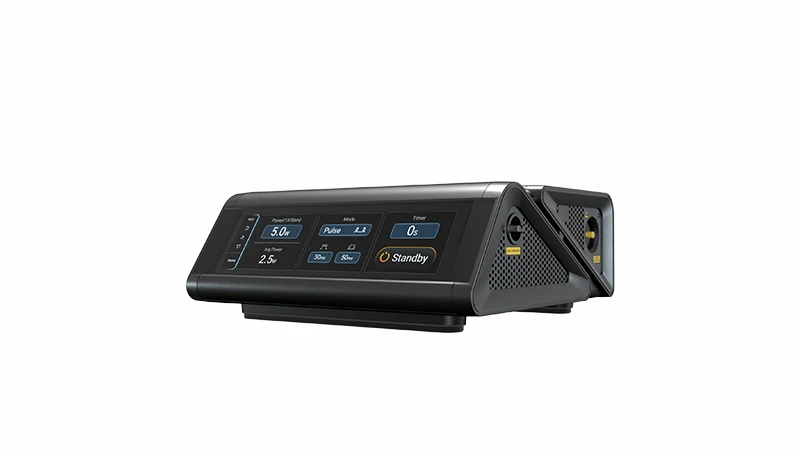
- EVLT laser system
- Radial optical fibers
- Introducer sheath
- Guidewire
- Puncture needle
- Safety eyewear
- Footswitch
- Additional procedure accessories
Using compatible products from a single supplier helps simplify procurement and improve workflow
efficiency.
How can distributors choose the right EVLT laser platform?
The ideal platform depends on target customers and market positioning.
- Entry-level clinics often prefer dedicated 1470 nm systems for routine EVLT procedures.
- Growing vascular centers may require higher power and multi-wavelength configurations.
- Hospitals and OEM partners often value expandable platforms, intelligent workflow features, and
customized wavelength options.
Pioon provides a complete EVLT portfolio covering both established and next-generation clinical
requirements.
Why partner with Pioon for EVLT solutions?
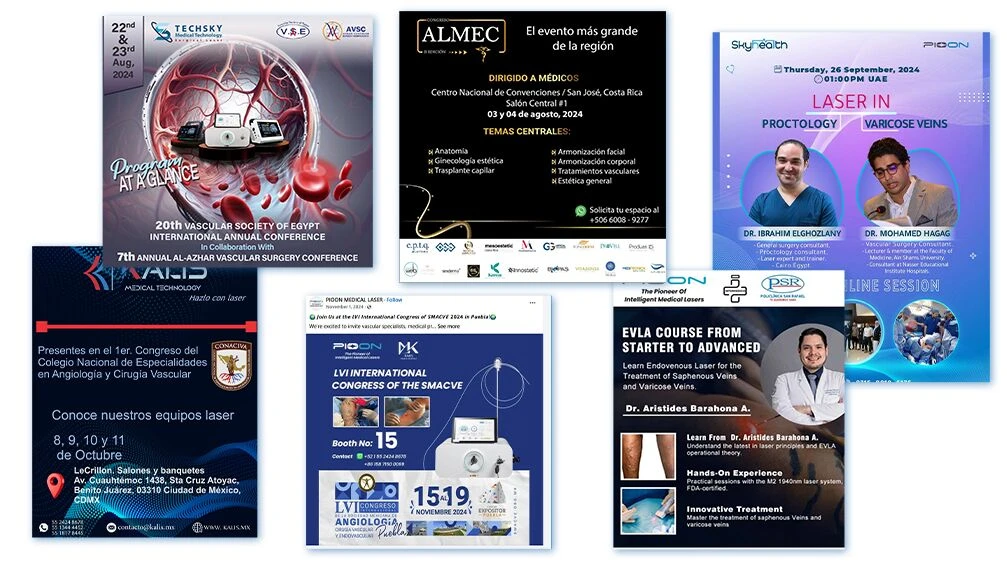
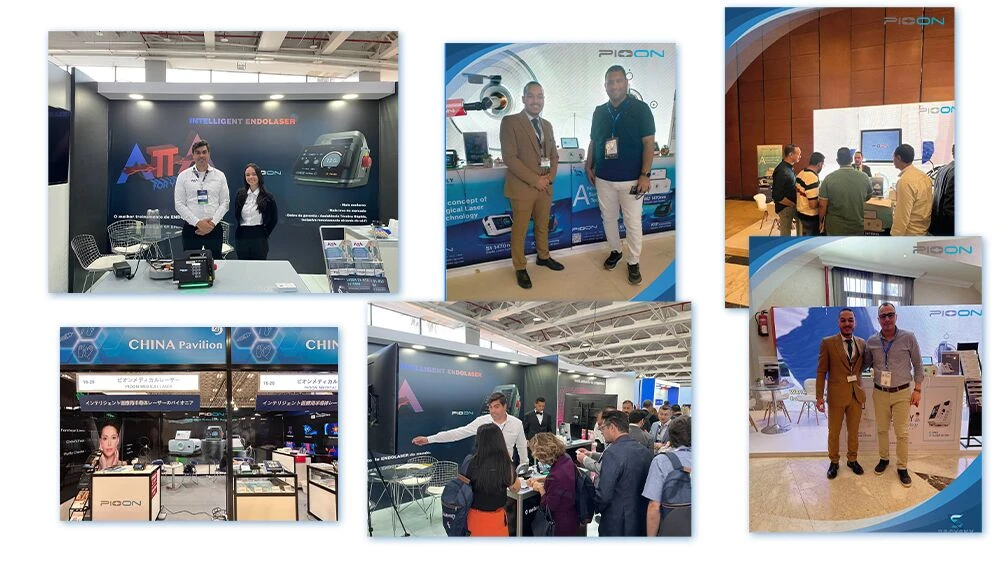
Pioon provides more than laser equipment. We offer a complete EVLT ecosystem designed to support
distributor growth, including:
- Multiple EVLT laser platforms
- Radial fibers and procedure accessories
- Clinical training and technical support
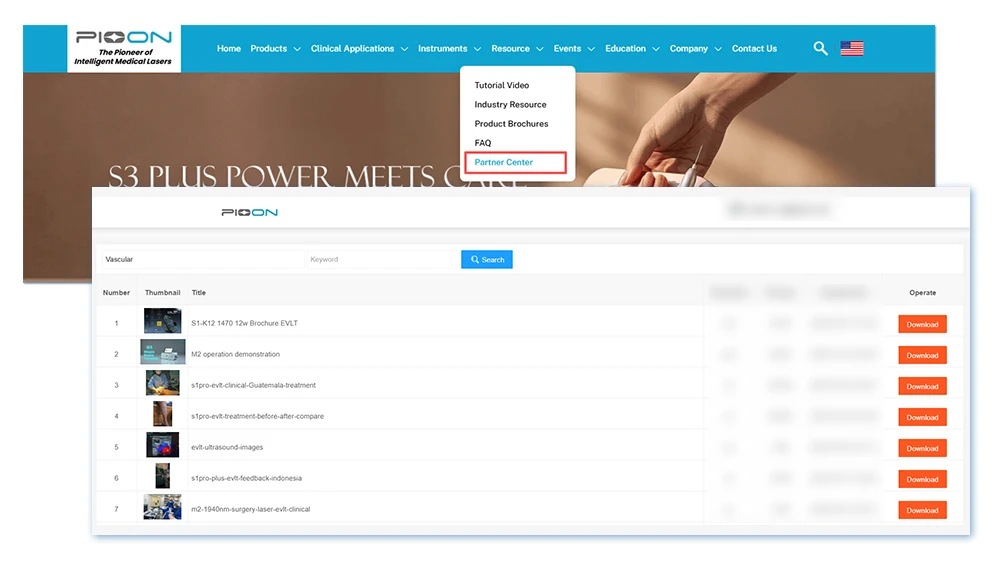
- Marketing resources
- OEM & ODM manufacturing
- Long-term partnership for global market development
Our goal is to help distributors build sustainable business growth with reliable products and
professional
support.