Facelift
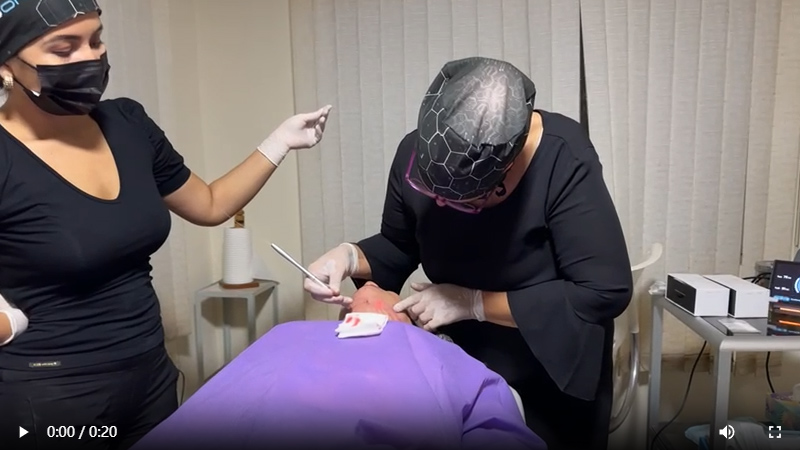
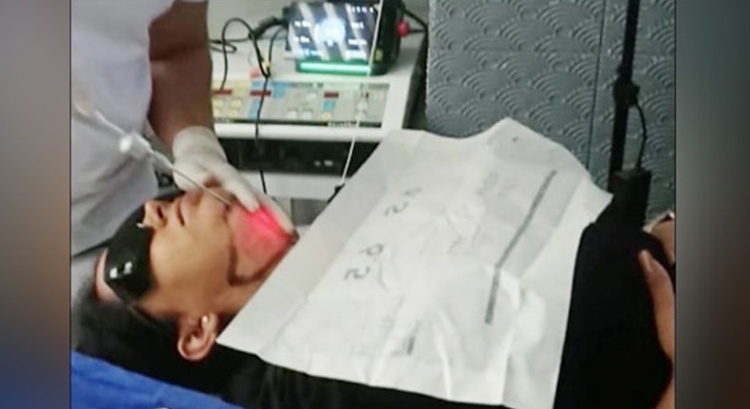
The procedure can be performed on an outpatient basis under local anesthesia. A thin optical fiber is inserted into the subcutaneous tissue through a small entry point to deliver controlled laser energy. The generated thermal effect may promote tissue contraction, collagen remodeling, and skin tightening while minimizing tissue trauma compared with conventional surgical approaches.¹
-
√ SMAS fascia layer integrity
-
√ Stimulate new collagen formation
-
√ Activate the metabolism of the extracellular matrix to accelerate tissue repair
-
√ Elevate heat and enhance vascular growth
Clinial Advantages of Skin Tightening
-
√ Precision in Targeting
-
√ Correct mild sagging on the face, neck, arms
-
√ Diminish under eye bags without surgery
-
√ Enhance facial counturing
-
√ Skin rejuvenation
-
√ Sustained Outcome
-
√ Easy to Perform
-
√ Suitable For All Skin Types
Clinical Results
980nm - Widely Utilized Wavelength
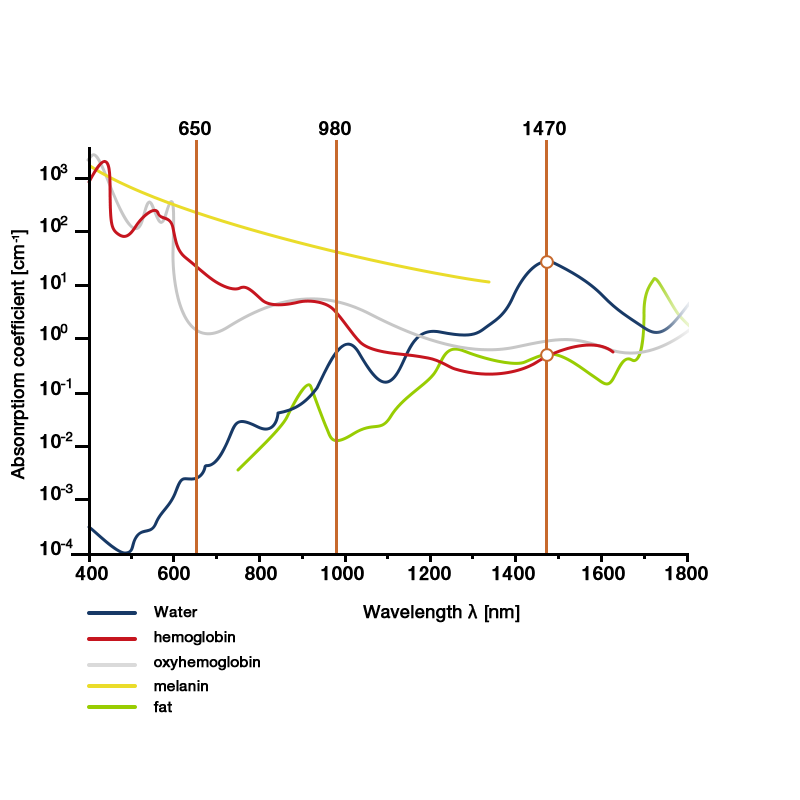
980nm diode laser demonstrates strong absorption by hemoglobin while maintaining effective penetration into soft tissues. Clinical studies have reported its utility in laser-assisted lipolysis with favorable hemostatic properties and reduced postoperative recovery time.²
1470nm - Highly Specialized for Lipolysis
1470nm wavelength exhibits significantly higher absorption in water-rich tissues, enabling localized thermal effects that may support adipose tissue reduction, tissue contraction, and collagen remodeling with controlled energy delivery.³
Clinical Evidence
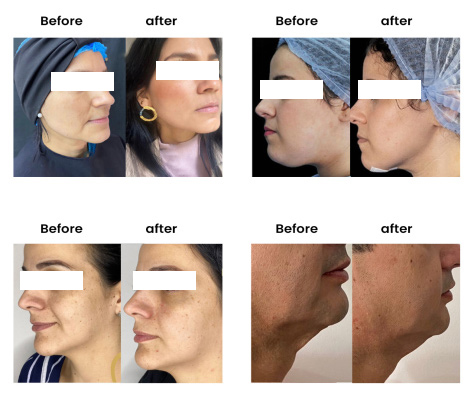
Clinical studies have reported the potential benefits of laser-assisted facial contouring and skin tightening procedures, including:
-
Improvement of mild to moderate skin laxity
-
Reduction of localized facial adipose tissue
-
Collagen remodeling and dermal contraction
-
Jawline and submental contour enhancement
-
Minimally invasive treatment with limited downtime
Treatment outcomes vary according to patient anatomy, treatment parameters, and practitioner experience.³
What does the Facelift could do?
Jowl Lift
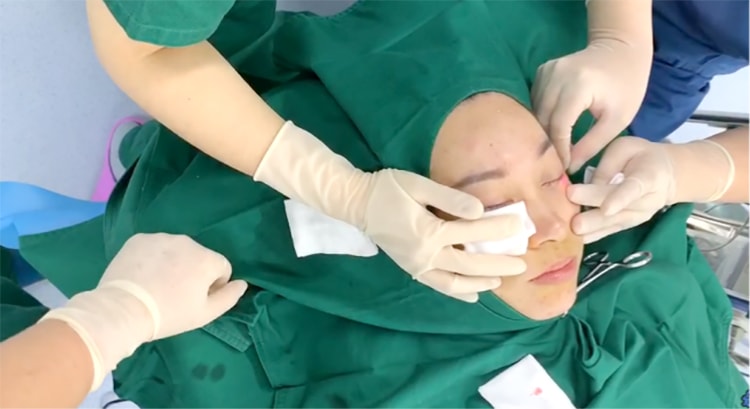
Eyelids lift
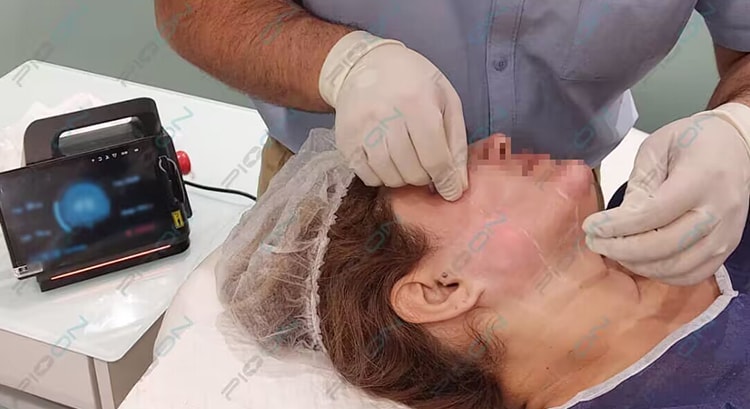
Face lift
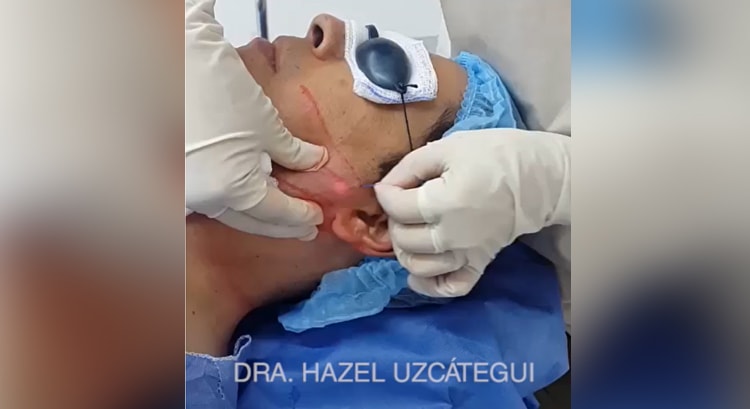
Face lipolysis
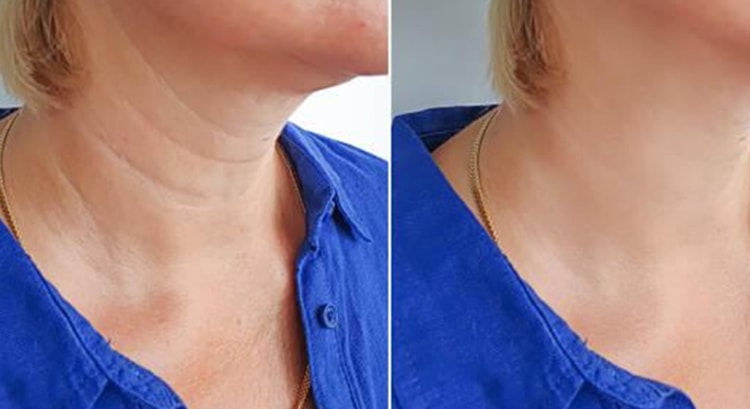
Swan Neck After treatment
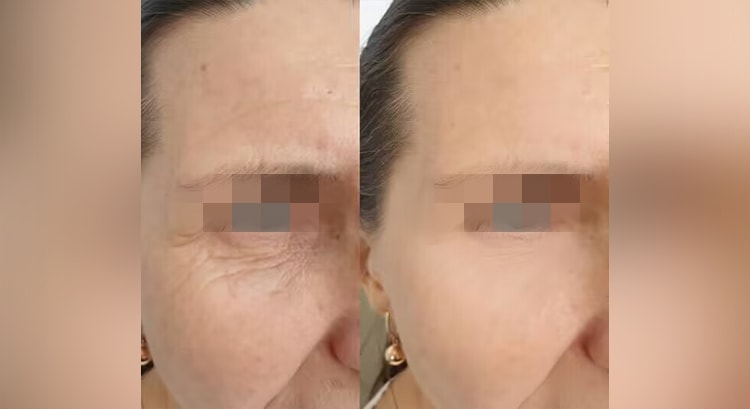
Wrinkle Lifting
Clinical Considerations
Laser-assisted facelift procedures should be performed by qualified healthcare professionals with appropriate training. Treatment parameters, patient selection, and postoperative management should follow established clinical protocols and local regulatory requirements.