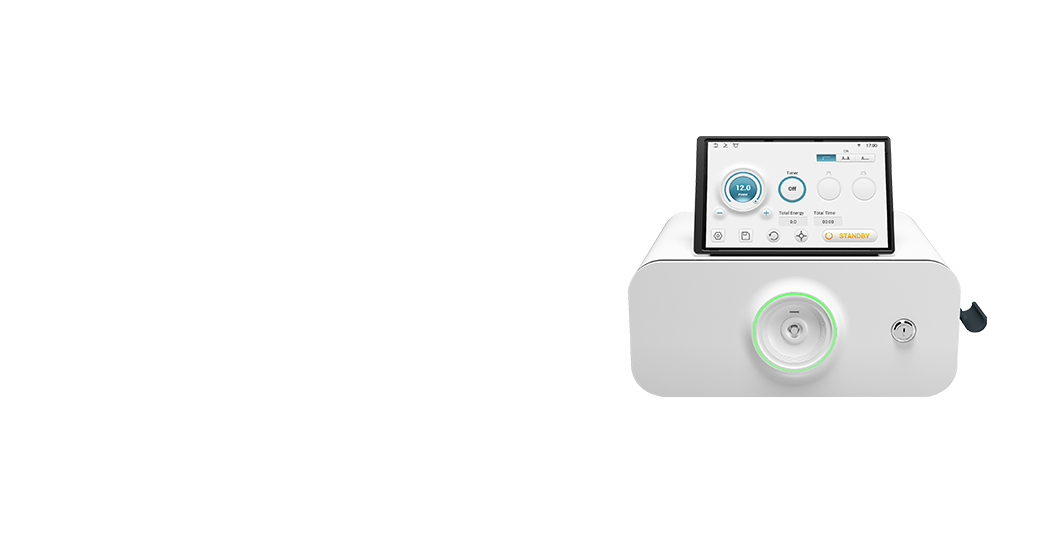
Body Sculpture
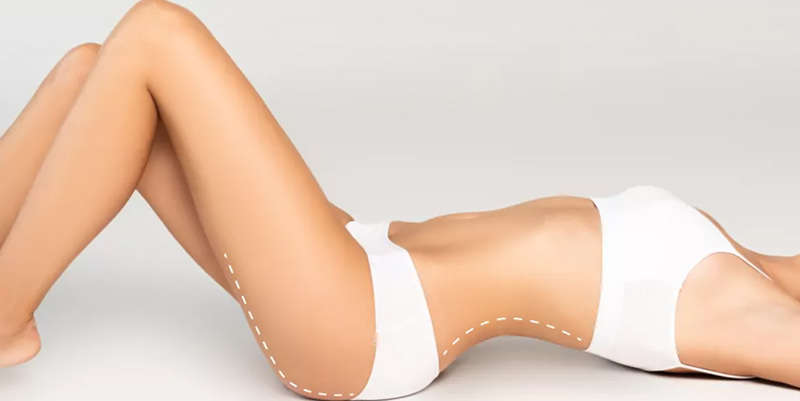
Laser body sculpting is a minimally invasive procedure designed to reduce localized fat deposits while improving skin firmness. Through a micro-optical fiber inserted beneath the skin, laser energy selectively heats adipose tissue, promotes fat emulsification, and stimulates collagen remodeling. The treated fat can then be naturally metabolized or removed through aspiration, depending on the clinical protocol.
Clinial Advantages of Body Sculpturing
-
Targeted Fat Reduction
-
Improved Body Contouring
-
Skin Tightening Potential
-
Collagen Remodeling Support
-
Reduced Recovery Time
-
Minimally Invasive Procedure
-
Long-lasting Results
Precision Energy Delivery
1470nm – Advanced Tissue Remodeling and Body Contouring
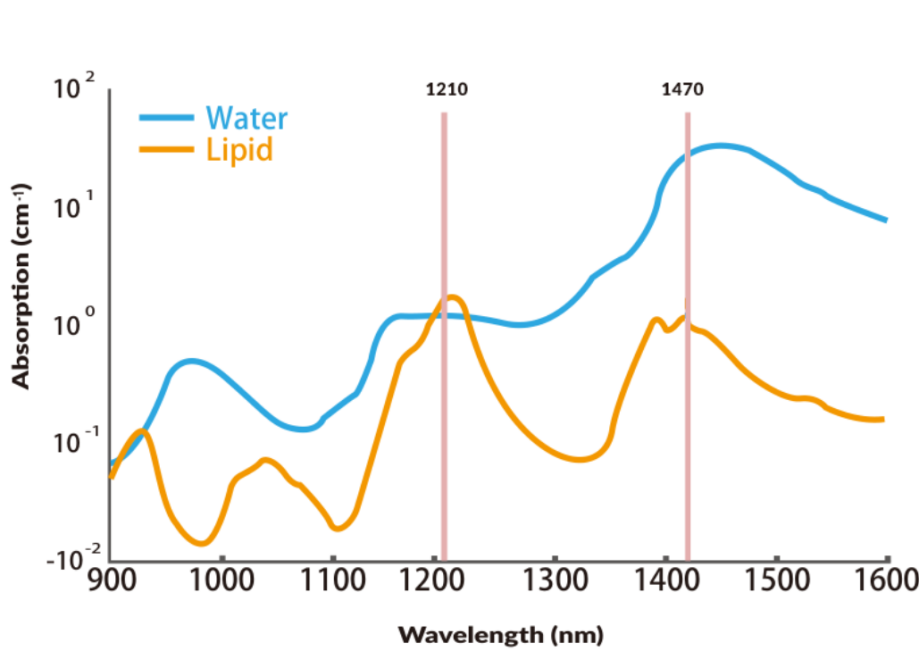
The 1470nm diode laser wavelength is widely used in laser-assisted lipolysis and minimally invasive body contouring procedures. Owing to its high absorption in water-rich soft tissues, laser energy can be delivered in a localized and controlled manner, supporting adipose tissue treatment while minimizing thermal diffusion to adjacent structures.[1]
In addition to fat reduction, the thermal interaction generated by the 1470nm wavelength has been associated with collagen remodeling, neocollagenesis, and tissue contraction, which may contribute to improved skin tightening and contour definition following treatment.[2][3][4]
Key Clinical Advantages
-
High absorption in water-containing soft tissues for precise energy delivery
-
Supports adipose tissue coagulation and laser-assisted lipolysis
-
May stimulate collagen remodeling and neocollagenesis
-
Promotes tissue contraction and skin-tightening effects
-
Localized thermal effect with controlled tissue interaction
-
Widely used in minimally invasive body contouring procedures
Clinical Value
Clinical studies have demonstrated that laser-assisted lipolysis can provide localized fat reduction while simultaneously promoting collagen remodeling and skin contraction. Compared with conventional fat reduction techniques alone, laser-assisted approaches may offer the additional benefit of tissue tightening and contour refinement.[2][4][5]
1210nm - Gentle for Fat Treatment
The 1210nm wavelength has been investigated for its selective interaction with lipid-rich tissues. Experimental and clinical studies have shown that 1210nm laser energy can induce selective photothermal effects within adipose tissue, making it a suitable wavelength for laser-assisted lipolysis and body contouring applications.[6][7]
Its affinity for adipose tissue allows targeted fat treatment while supporting preservation of surrounding structures. Several studies have also reported high adipocyte viability following 1210nm-assisted fat harvesting, suggesting potential advantages for procedures involving autologous fat transfer and grafting.[8][9]
Key Clinical Advantages
-
Selective interaction with adipose tissue
-
Supports efficient fat emulsification during laser-assisted lipolysis
-
Targeted thermal effect in lipid-rich tissue
-
Suitable for localized body contouring procedures
-
Potential preservation of adipocyte viability during fat harvesting
-
May support autologous fat grafting workflows
Clinical Value
The selective adipose tissue affinity of the 1210nm wavelength has been associated with effective fat treatment while maintaining favorable adipocyte integrity. These characteristics may provide advantages in clinical protocols where both contour improvement and fat preservation are important treatment objectives.[7][8][9]
What does the Body Sculpture could do?
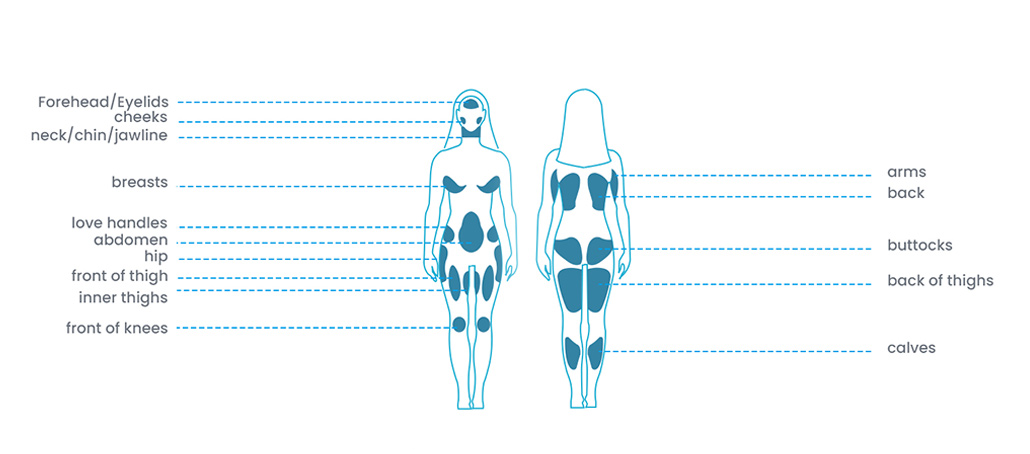
Laser lipolysis can be used to address localized fat deposits in multiple body regions, including:
- Abdomen
- Flanks (love handles)
- Upper arms
- Inner and outer thighs
- Back rolls
- Submental region (double chin)
- Knees
- Male breast enlargement (selected cases)
Treatment areas should be evaluated individually according to patient anatomy and clinical goals.
Who May Benefit from Laser Lipolysis?
Laser lipolysis may be suitable for individuals who:
- Have localized fat deposits resistant to diet and exercise
- Seek body contour improvement rather than major weight loss
- Present mild to moderate skin laxity
- Prefer minimally invasive procedures
- Maintain realistic treatment expectations
Laser lipolysis is not intended as a treatment for obesity and should be considered as part of an overall body contouring strategy.
Recovery and Post-Treatment Care
Most patients return to normal daily activities within a short period following treatment. Temporary swelling, bruising, tenderness, or mild discomfort may occur and typically resolve gradually.
Compression garments, hydration, and adherence to physician recommendations may support optimal recovery and treatment outcomes.
Scientific References
- Manzano-Finol A, et al. Laser-Assisted Lipolysis: A Promising Alternative to Traditional Liposuction. Aesthetic Plastic Surgery, 2025. 1470nm lasers exhibit higher absorption by water and fat, improving energy delivery efficiency and safety. View on Springer
- Heller L, et al. 1470-nm Radial Fiber-Assisted Liposuction for Body Contouring and Facial Fat Grafting. Journal of Cosmetic Dermatology, 2022. Demonstrated effective body contouring and adipose tissue management using 1470nm radial fiber technology. View on PubMed
- Bollero D, et al. In Vivo Pilot Study of the Effects of a Subdermal 1470 nm Diode Laser on Human Skin. Laser Therapy Journal, 2025. Reported dermal remodeling effects and regenerative tissue responses following subdermal 1470nm laser treatment. View on Lasertherapyjournal
- Laser Lipolysis: An Update. Journal of Clinical and Aesthetic Dermatology. Laser lipolysis has been shown to induce collagen production, remodeling, and skin-tightening effects in addition to adipose tissue liquefaction. View on JCAD
- Reynaud JP, et al. Lipolysis Using a 980-nm Diode Laser. Aesthetic Surgery Journal, 2008. Demonstrated collagen remodeling, neocollagenesis, and tissue contraction following laser lipolysis procedures. View on PubMed
- Wanner M, et al. Effects of Non-Invasive 1210 nm Laser Exposure on Adipose Tissue. Lasers in Surgery and Medicine, 2009. Demonstrated selective photothermolysis of adipose tissue using 1210nm laser energy. View on Ovid
- Rox Anderson, et al. Selective Photothermolysis of Lipid-Rich Tissue. Demonstrated wavelength-dependent interaction with lipid-rich tissues, providing the scientific basis for adipose-selective laser applications. View on Springer
- Centurion P. Fat Preserving by Laser 1210-nm. Reported high adipocyte preservation and viability following 1210nm laser-assisted harvesting. View on Repositorio Academico
- Centurion P. Laser Stimulation on Adipose Stem Cells and Adipocytes. Findings support preservation of adipocyte integrity and regenerative potential following 1210nm-assisted procedures. View on ResearchGate
Sidebar
Latest Content



Related Products
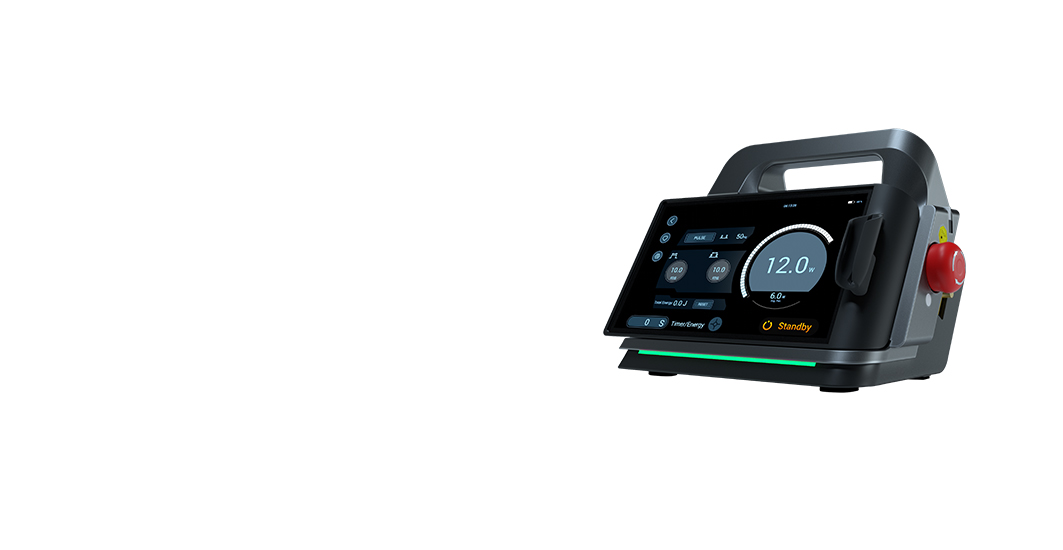
S1-K12 Facelift
LEARN MORE