PLDD Laser Surgery Solutions

Explore Pioon PLDD laser solutions for percutaneous laser disc decompression, featuring 980nm, 1470nm and multi-wavelength laser platforms for clinical applications.

Why PLDD Represents a Growing Clinical Opportunity

Low back pain and lumbar disc herniation remain among the leading causes of disability worldwide. As healthcare systems increasingly seek less invasive treatment approaches, Percutaneous Laser Disc Decompression (PLDD) has gained attention as an option for appropriately selected patients. Advances in diode laser technology and growing clinical experience are creating new opportunities for hospitals, spine specialists, and medical distributors.

Rising Incidence of Lumbar Disc Herniation

Lumbar disc herniation (LDH) with radiculopathy is associated with significant pain, disability, healthcare utilization, and costs. Evidence from recent systematic reviews shows that the incidence of LDH varies considerably across populations and diagnostic definitions, highlighting its continued clinical and healthcare burden. The lifetime risk of symptomatic lumbar disc herniation is estimated at approximately 1%–3%.[1]
Growing Preference for Minimally Invasive Procedures

Less invasive approaches to lumbar disc herniation have gained increasing attention as alternatives to conventional surgery. Recent systematic reviews have reported that minimally invasive techniques can offer benefits such as reduced blood loss and shorter hospital stays while achieving comparable clinical outcomes in appropriately selected patients.[2]

Expanding Outpatient Treatment

Improvements in imaging, fiber delivery systems, and laser technology are enabling more spine interventions to be performed under local anesthesia with streamlined clinical workflows, supporting the growth of ambulatory and day-surgery treatment models.[3]

Growing Clinical Evidence

Clinical evidence for percutaneous and minimally invasive approaches to lumbar disc herniation continues to expand. Recent systematic reviews and meta-analyses have evaluated their effectiveness, safety, and patient outcomes, providing a growing evidence base for treatment selection and clinical decision-making.[4]

What is PLDD?

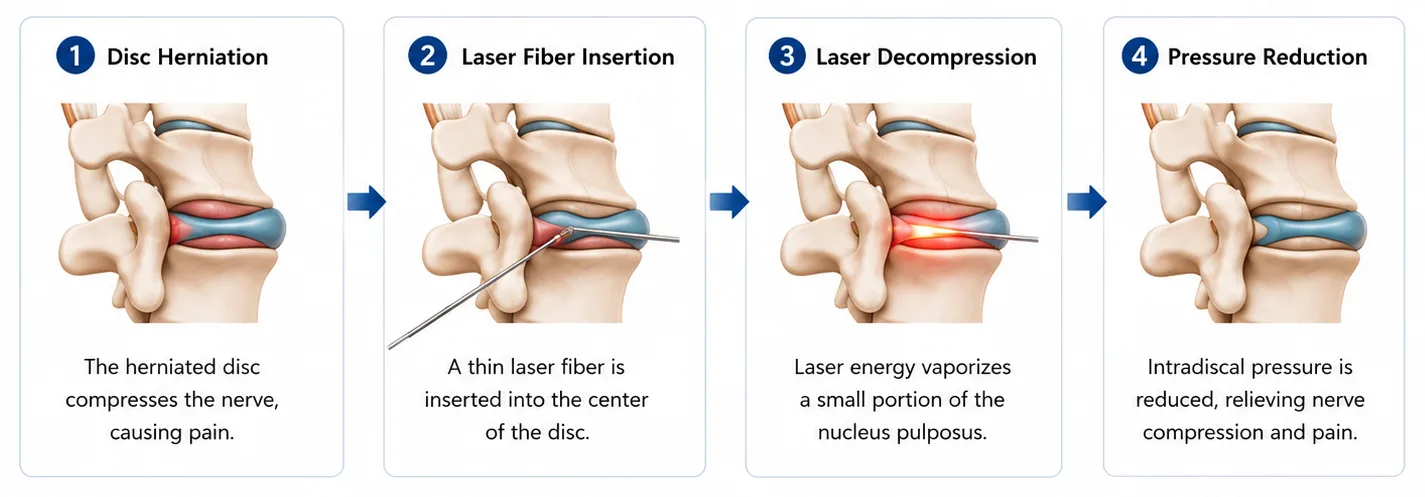
Percutaneous Laser Disc Decompression (PLDD) is a minimally invasive procedure designed to relieve pain caused by contained lumbar or cervical disc herniation. Under image guidance, a fine optical fiber is introduced into the nucleus pulposus through a percutaneous needle. Controlled laser energy vaporizes a small portion of the disc nucleus, reducing intradiscal pressure and relieving compression on adjacent nerve roots while preserving surrounding anatomical structures.

Four-step PLDD procedure: disc herniation compressing the nerve, laser fiber insertion into the disc, laser decompression of the nucleus pulposus, and intradiscal pressure reduction

Why Diode Laser for PLDD

Precise Energy Delivery for Controlled Disc Decompression

Diode lasers provide a compact and flexible energy platform for laser PLDD. By delivering laser energy directly into the nucleus pulposus through a fine optical fiber, they enable controlled thermal interaction and targeted reduction of intradiscal pressure.

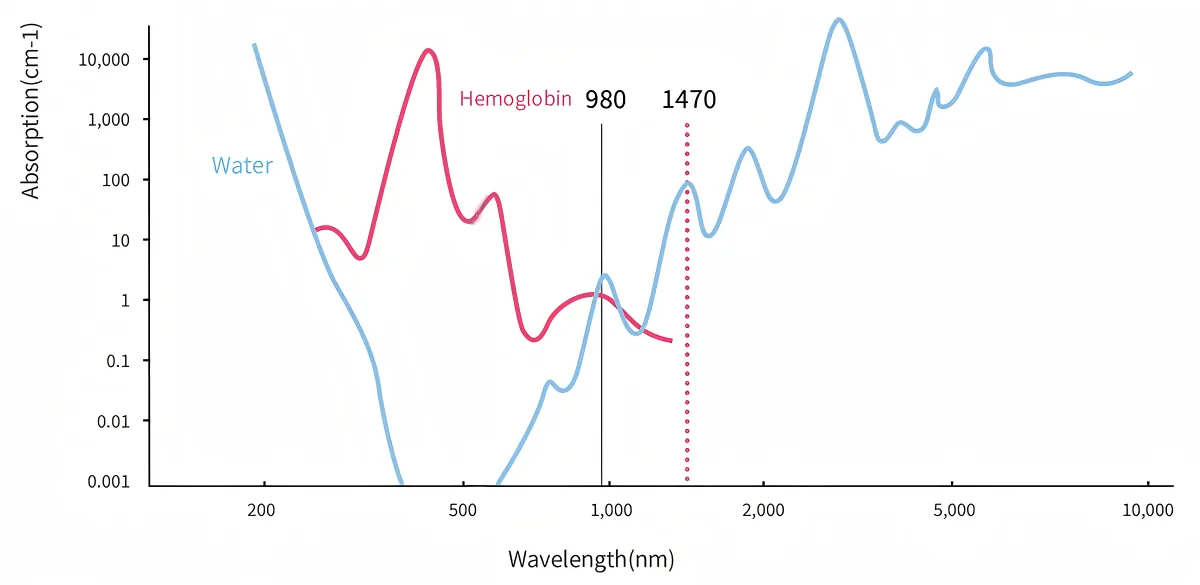
Absorption spectrum of water and hemoglobin plotted against wavelength, marking the 980 nm and 1470 nm diode laser wavelengths used in PLDD

1470 nm High Water Absorption

1470 nm has strong absorption in water, making it well suited for applications where localized energy deposition and controlled vaporization of water-rich disc tissue are desired.

Key characteristics:

  • Strong absorption in water
  • More localized energy delivery
  • Controlled vaporization
  • Widely adopted in contemporary PLDD laser systems

980 nm Established Clinical Application

980 nm has been used in PLDD for many years and is supported by published clinical experience. Its tissue interaction characteristics provide effective energy delivery for disc decompression when appropriate treatment parameters are applied.

Key characteristics:

  • Established PLDD experience
  • Effective tissue ablation
  • Different optical penetration characteristics from 1470 nm
  • Flexible energy delivery

980 + 1470 nm Dual-Wavelength Flexibility

Combining 980 nm and 1470 nm provides access to two different wavelength–tissue interaction profiles within one platform. This allows physicians to select or combine wavelengths according to clinical requirements and treatment strategy.

Key characteristics:

  • Two wavelength options in one system
  • Flexible energy delivery
  • Broader treatment customization
  • Supported by commercially available PLDD platforms

Fiber-Based Energy Delivery

Precise Access to the Target Disc

A fine optical fiber enables laser energy to be delivered directly into the nucleus pulposus through a minimally invasive percutaneous approach. Treatment parameters—including wavelength, power, pulse duration and total energy—can be adjusted according to the clinical situation.

Why Distributors Should Enter This Market

For Distributors Value
Diverse customer base Hospitals, spine centers, pain clinics, ambulatory surgery centers
High-value procedure Supports premium minimally invasive treatment offerings
Complete solution Laser system, fibers, accessories, and clinical training
Cross-selling opportunities Expand into vascular, proctology, ENT, and other diode laser applications

Pioon PLDD Laser Solutions

Flexible diode laser platforms designed for different clinical requirements and treatment settings.

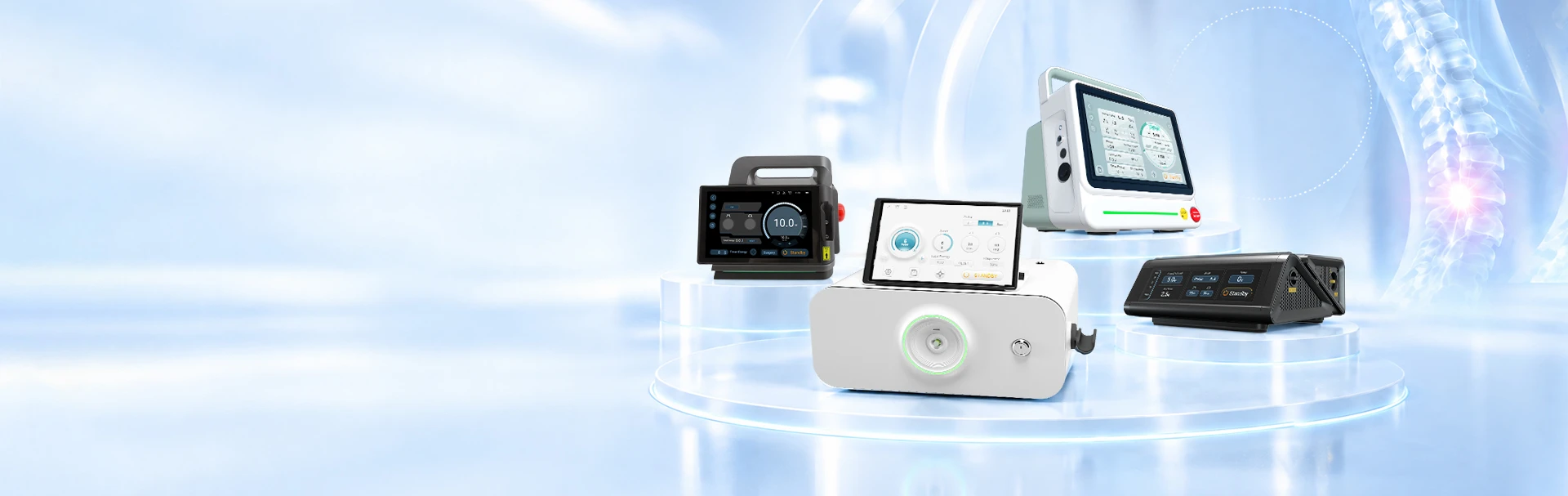
Pioon provides flexible laser platforms for Percutaneous Laser Disc Decompression (PLDD), combining reliable diode laser technology, optimized wavelength options, and procedure-ready configurations to support spine specialists, pain management centers, and medical distributors worldwide.

Complete Platform Options for Different Clinical Needs

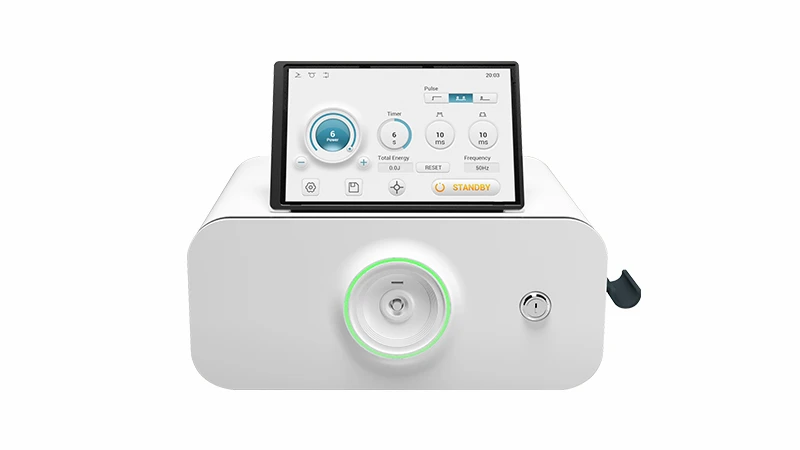
S1Pro Plus multi-wavelength diode laser system for PLDD applications

S1Pro Plus

Multi-wavelength Laser Device for PLDD Applications

  • 980nm+1470nm
  • 650nm

A compact and cost-effective diode laser platform integrating 980nm, 1470nm, and 650nm wavelengths.

With 980nm + 1470nm mixed emission and independent wavelength selection, S1Pro Plus provides flexible energy delivery for PLDD and other minimally invasive procedures.

Highlights

  • 980nm + 1470nm mixed emission
  • 650nm PBM support
  • Multi-specialty applications
  • Compact & flexible design
  • Cost-effective surgical solution

Ideal for:

Pain Clinics | Specialty Centers | Growing Medical Practices

Find more
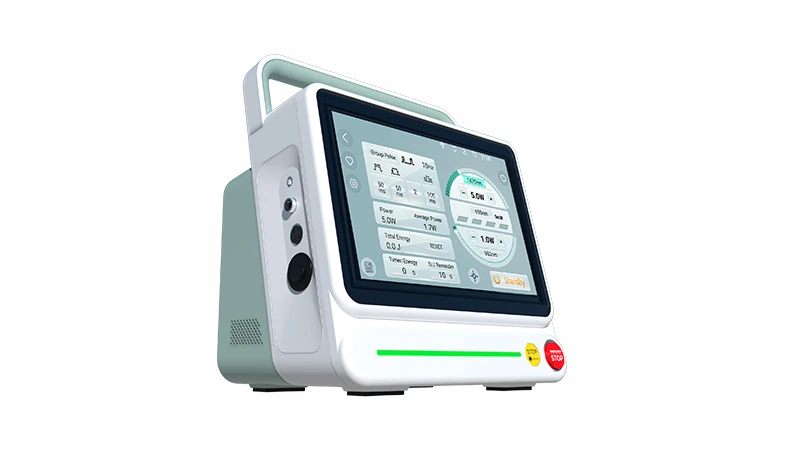
S1-K12 dedicated 1470nm diode laser platform

S1-K12

Dedicated 1470nm Laser Platform

  • 1470nm

S1-K12 provides a compact and dedicated 1470nm laser solution for minimally invasive procedures.

The 1470nm wavelength features strong water absorption characteristics, enabling precise energy interaction for selected clinical applications.

Highlights

  • Dedicated 1470nm wavelength
  • Compact and portable design
  • Simple operation workflow
  • Cost-effective clinical solution

Ideal for:

Private Clinics | Outpatient Centers | New Market Entry

Find more
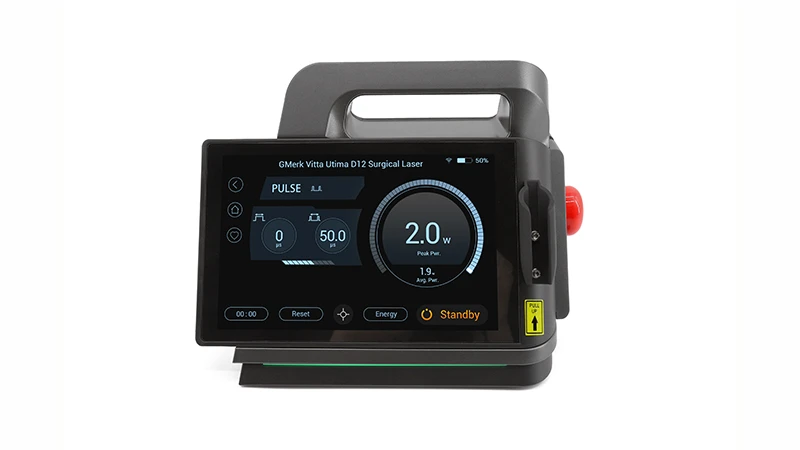
M2 professional multi-specialty surgical laser platform

M2

Professional Multi-Specialty Surgical Laser Platform

  • 980nm+1470nm+650nm
  • 1210nm+1470nm
  • 1940nm

Designed for demanding clinical environments, M2 combines stable high-power output with broad wavelength coverage from 980nm to 1940nm, providing a versatile platform for multiple surgical applications.

Highlights

  • Advanced multi-wavelength configurations
  • Stable laser output and precise energy control
  • Designed for hospital-level applications
  • Expandable across multiple specialties

Ideal for:

Hospitals | Spine Centers | Pain Management Departments

Find more
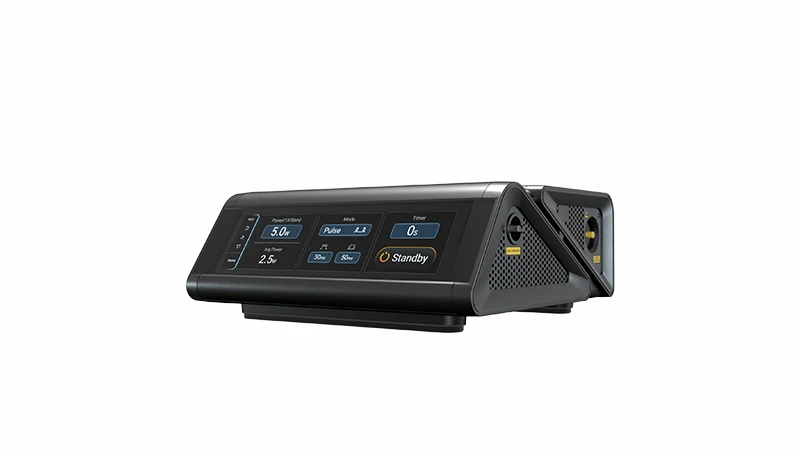
MZ premium surgical laser platform with precision energy control

MZ

Premium Platform for Advanced Clinical Applications

  • 980nm+1470nm+650nm
  • 1210nm+1470nm
  • 1940nm

MZ focuses on precision energy delivery and intelligent treatment control, with features such as power calibration to help maintain accurate and consistent laser output.

Highlights

  • Precise energy delivery
  • Power calibration
  • Intelligent system control
  • Advanced treatment accuracy

Ideal for:

Academic Hospitals | Advanced Medical Centers

Find more

Beyond the Laser System

A successful PLDD procedure requires not only reliable laser equipment but also compatible accessories and standardized workflow support.

Pioon provides a complete solution including:

Medical Laser System

Reliable diode laser platform with flexible wavelength configurations.

Optical Fiber

Designed for stable laser energy transmission and precise delivery.

Procedure Accessories

Including compatible fibers, needles, and protective accessories to support clinical workflow.

Clinical Support

Training materials, operation guidance, and technical support for partners.

Why Partner with Pioon?

More Than a Laser System. A Complete Partnership for Your PLDD Business.

Pioon combines a flexible medical laser portfolio with clinical resources, marketing support, and long-term distributor cooperation to help partners build and expand their PLDD business.

Complete Product Portfolio

From compact 1470nm systems to high-power multi-wavelength platforms, Pioon provides different laser configurations to match diverse clinical settings, investment levels, and market requirements.

S1-K12 · S1Pro Plus · M2 · MZ

Value for distributors:
Build a product portfolio instead of relying on a single PLDD model.

Expand Beyond PLDD

One Laser Platform, More Clinical Opportunities

PLDD can be an entry point into a broader medical laser business. Pioon's portfolio covers multiple specialties, allowing distributors to expand their customer base and application portfolio.

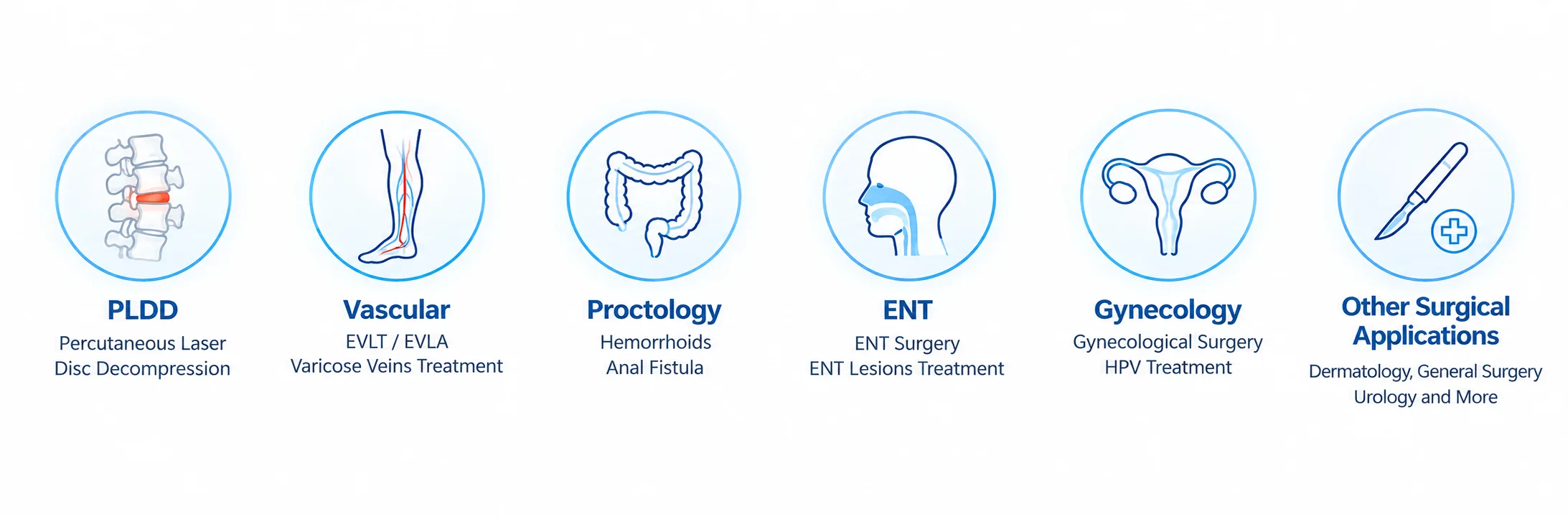
Clinical applications covered by Pioon diode laser platforms: PLDD, vascular, proctology, ENT, gynecology and other surgical applications

Value for distributors:
Increase the utilization and commercial potential of each laser platform.

Clinical & Marketing Support

From Product Knowledge to Market Development

Pioon supports distributors beyond equipment supply with resources designed to help them introduce, demonstrate, and promote laser solutions in their local markets.

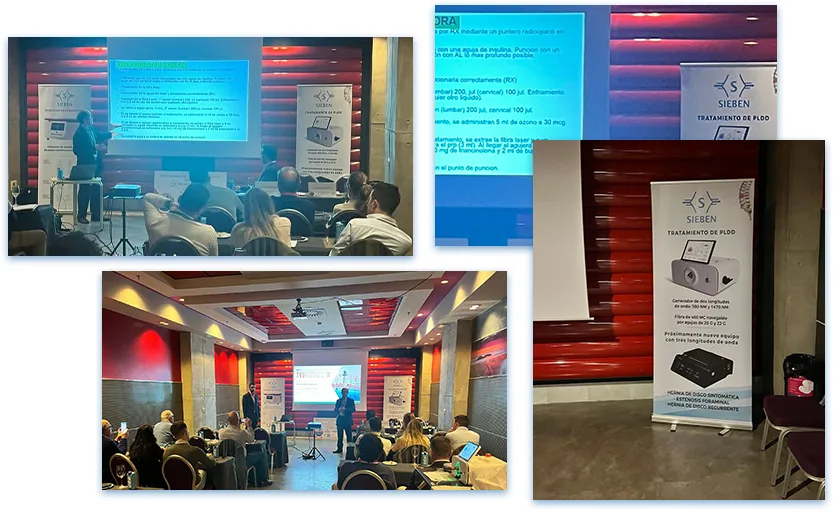
Product Training

Provide structured product training covering system features, configurations, operation, and key technical points, helping distributor teams better understand the products and communicate their value to customers.

Pioon product training session for distributor and clinical teams

Clinical Resources

Provide application guidance, treatment protocols, educational materials, and procedure-related resources to help distributors communicate with healthcare professionals and support clinical adoption.

Pioon clinical resources and treatment protocol materials for partners

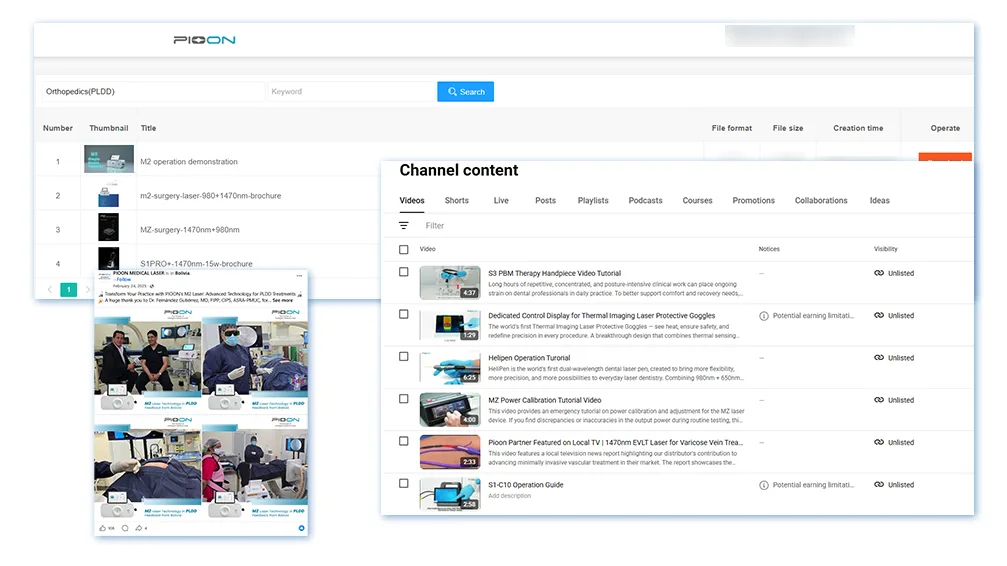
Marketing Materials

Provide ready-to-use brochures, product presentations, videos, images, website content, and other digital assets to support local campaigns, customer presentations, and product promotion.

Pioon marketing materials including brochures, presentations and digital assets

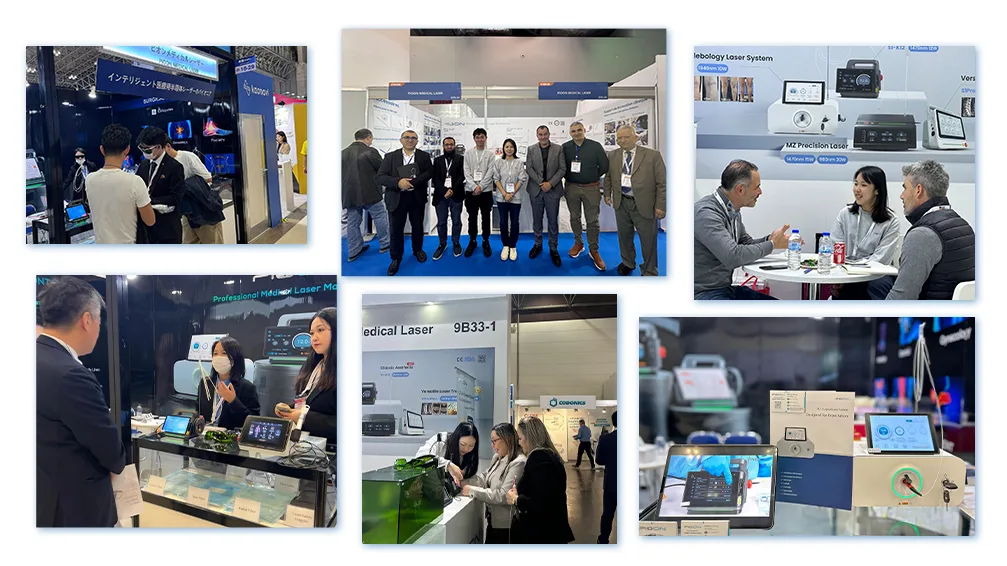
Exhibition Support

Provide promotional materials and event support for exhibitions, workshops, product demonstrations, and other local marketing activities to help distributors generate awareness and customer opportunities.

Pioon exhibition and workshop support for distributors and local events

Regulatory & Quality Support

Provide product documentation and quality-related materials to assist distributors with local registration, regulatory submissions, and market compliance requirements.

  • ANVISA (Brazilian Health Regulatory Agency) ANVISA
  • CE Certified (Notified Body 0123) – Class IIb Medical Device CE
  • FDA (US Food and Drug Administration) FDA
  • ISO 13485 quality management system certification ISO13485
  • Korea GMP certification Korea GMP
  • NMPA – China Medical Device Registration Certificate NMPA
  • IEC international electrotechnical standards compliance IEC
  • ATC certification ATC
  • CQC certification (China Quality Certification Centre) CQC
  • ISO 9001 quality management system certification ISO9001
  • RoHS compliance (restriction of hazardous substances) ROHS
  • SGS testing and certification SGS
  • TÜV SÜD certification (EN ISO 13485) TÜV SÜD
  • UL safety certification UL
  • IAF – International Accreditation Forum member IAF

After-Sales & Technical Support

Provide technical assistance, troubleshooting guidance, and ongoing communication to help distributors respond efficiently to customer needs and maintain long-term relationships.

Feedback From Partner

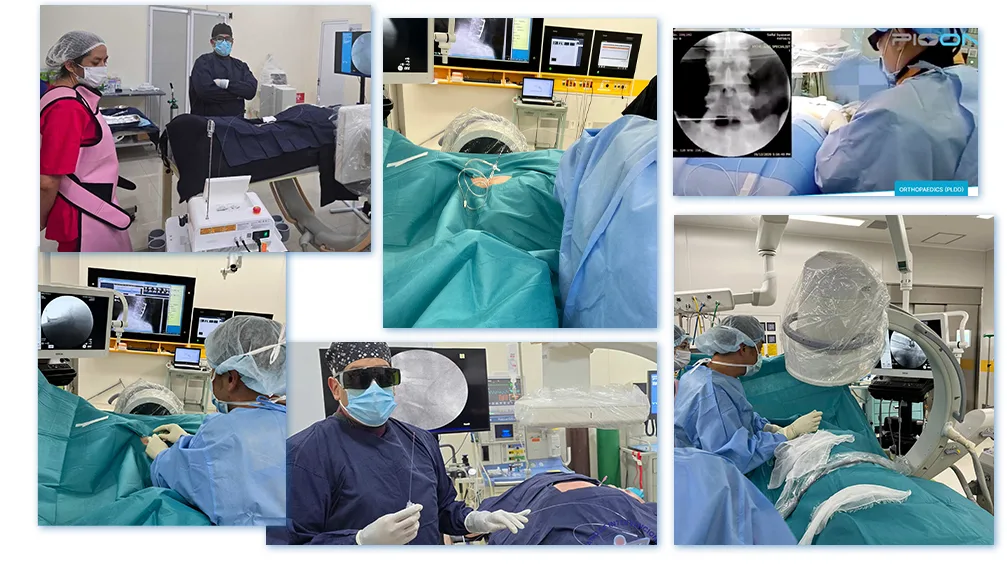
Hear directly from our partners about their experience with Pioon laser solutions, from product performance and clinical applications to technical support and cooperation.

These real-world experiences reflect how Pioon works with distributors and clinical partners to support product promotion, application development, and long-term market growth.

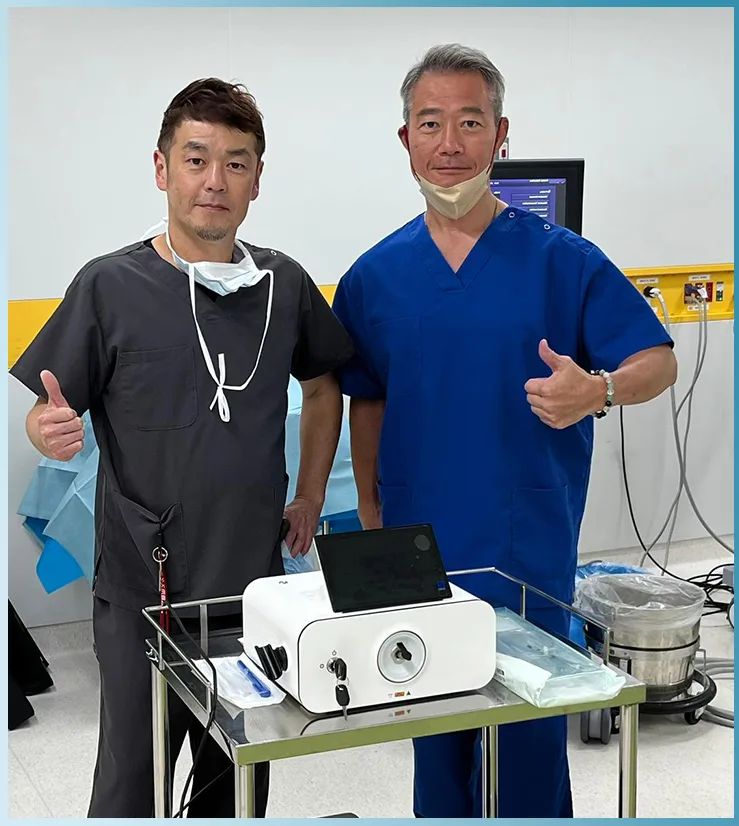
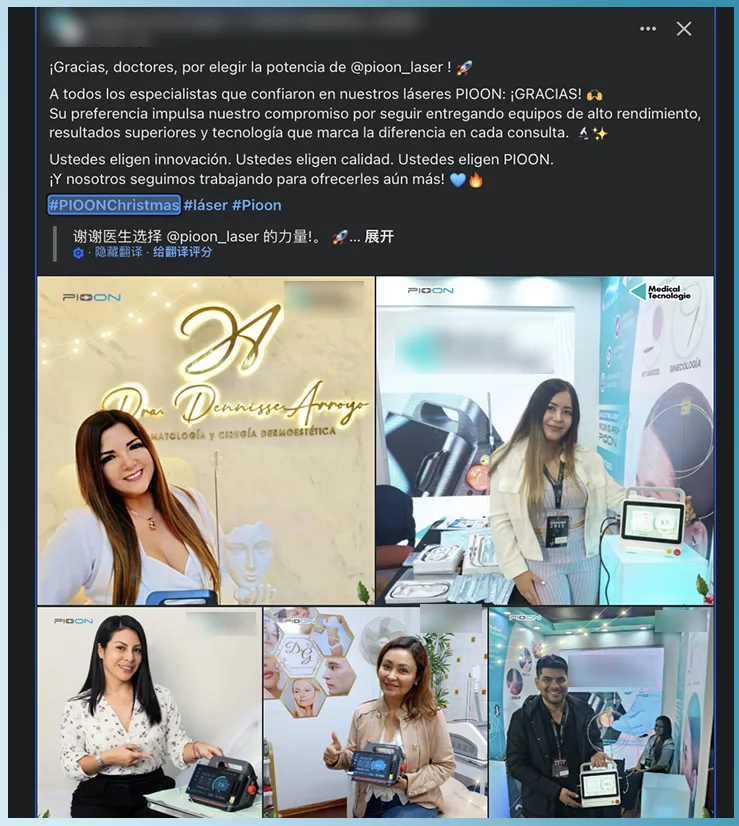
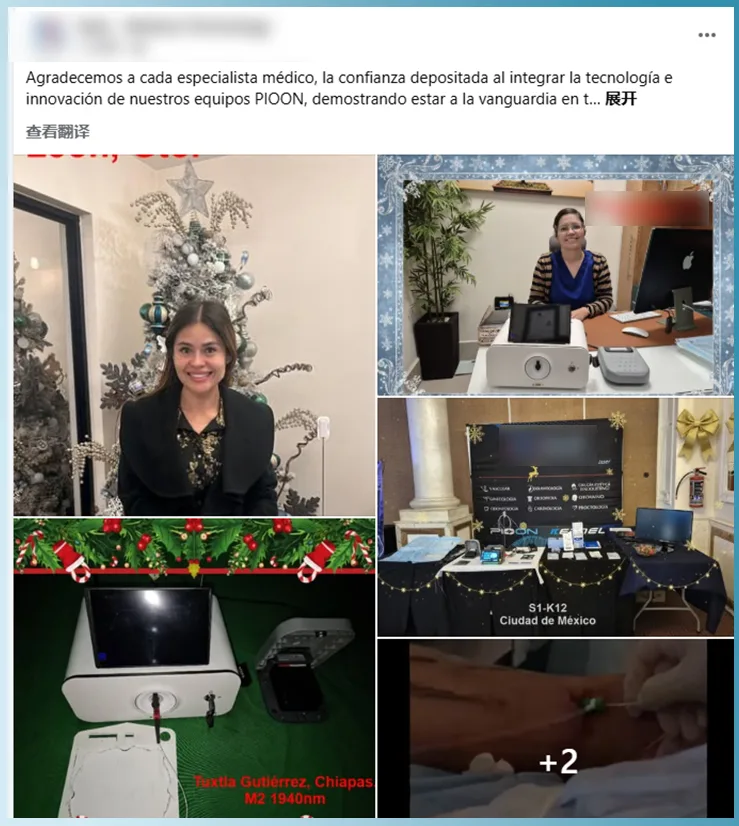
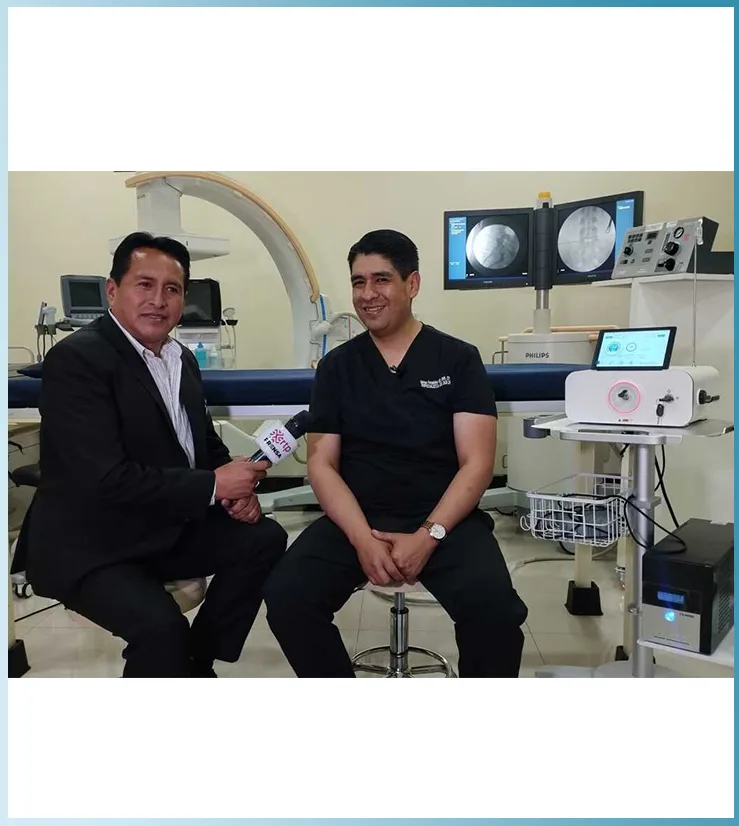
Clinicians with a Pioon diode laser system after a PLDD procedure Partner feedback from Pioon laser users at exhibitions and clinics Partner feedback showing Pioon laser systems used in clinical practice Physician interview about Pioon laser treatment in an image-guided procedure room

FAQ about PLDD Laser

What is PLDD laser surgery?

Percutaneous Laser Disc Decompression (PLDD) is a laser-based procedure used to decompress selected herniated discs. During the procedure, a fine optical fiber is introduced through a percutaneous needle into the nucleus pulposus, where controlled laser energy reduces a small amount of disc tissue and intradiscal pressure.

PLDD is also referred to as laser disc decompression or percutaneous laser discectomy in some clinical literature. Patient selection and imaging assessment are important when determining whether the procedure is appropriate.

What type of PLDD laser is used for disc decompression?

Diode lasers with wavelengths such as 980nm and 1470nm have been used in PLDD procedures. These wavelengths have different tissue-interaction characteristics, and current clinical literature does not establish a single optimal wavelength for every PLDD procedure.

Pioon offers laser platforms with 1470nm, 980nm + 1470nm, and multi-wavelength configurations, allowing physicians and distributors to select a suitable platform according to clinical requirements and market needs.

Is PLDD an alternative to microdiscectomy?

PLDD should not be considered a replacement for microdiscectomy in every patient. It is a treatment option for carefully selected patients with appropriate disc morphology and clinical indications.

A randomized controlled trial comparing PLDD with conventional microdiscectomy found that a strategy of PLDD followed by surgery when necessary produced non-inferior outcomes at one year in the selected study population, although recovery was faster with conventional surgery and reoperation rates differed between groups. The choice of treatment should therefore be based on imaging findings, symptoms, neurological status, and physician assessment.

Who may be a candidate for PLDD?

PLDD is generally considered for carefully selected patients with symptomatic, contained disc herniation who have appropriate imaging findings and may not have responded adequately to conservative treatment.

Patient selection varies by clinical protocol. Conditions such as severe neurological deficits, cauda equina syndrome, significant spinal instability, or sequestered disc fragments may require other forms of treatment. Final treatment decisions should be made by a qualified physician after clinical and imaging evaluation.

Which Pioon laser is recommended for PLDD?

Pioon offers several laser platforms that can be configured for different clinical and market requirements.

S1-K12 provides a dedicated 1470nm platform, while S1Pro Plus combines 980nm, 1470nm, and 650nm with 980nm + 1470nm mixed emission. M2 offers a professional multi-wavelength platform with broad wavelength coverage, while MZ focuses on precision energy delivery and power calibration.

The appropriate model depends on the target market, clinical setting, application requirements, and investment level.

Can distributors use Pioon laser platforms for applications beyond PLDD?

Yes. Pioon's medical diode laser portfolio covers multiple specialties and applications beyond PLDD, including vascular surgery, proctology, ENT, gynecology, and other surgical applications, depending on the specific laser configuration and applicable market clearances.

This allows distributors to use PLDD as an entry point while gradually expanding their medical laser portfolio.

What support does Pioon provide to PLDD distributors?

Pioon provides support across the product and market development process, including:

  • Product and technical training
  • Clinical education and application resources
  • Product brochures, videos, and digital marketing materials
  • Exhibition and promotional support
  • Regulatory and quality documentation
  • After-sales and technical assistance

The level and scope of support can be adapted to the distributor's market and project requirements.

Can Pioon support local registration and market entry?

Pioon can provide relevant product, quality, and regulatory documentation to support distributors during local registration and market access processes.

Specific registration requirements vary by country and product classification. Pioon works with distributors to provide the available documentation needed for their local regulatory submissions and compliance processes.

Build Your PLDD Laser Business with Pioon

From product selection and clinical education to marketing development and after-sales support, Pioon provides the resources you need to develop PLDD and expand into broader medical laser applications.

Reference

  1. WFNS Spine Committee — Epidemiology of Lumbar Disc Herniation. Pojskic M, et al. Lumbar disc herniation: Epidemiology, clinical and radiologic diagnosis WFNS spine committee recommendations. World Neurosurgery: X. 2024.
  2. 2025 Meta-analysis — Minimally Invasive Surgery. Liu S, et al. Minimally invasive surgery for lumbar disc herniation: a meta-analysis of efficacy and safety. 2025.
  3. Outpatient Minimally Invasive Lumbar Decompression. Micheal M, et al. Implementation of Outpatient Minimally Invasive Lumbar Decompression at an Academic Medical Center without Ambulatory Surgery Centers: A Cost Analysis and Systematic Review.
  4. Outcomes of Percutaneous Laser Disc Decompression. Stylianos K, et al. Outcomes of Percutaneous Laser Disc Decompression for Lumbar Disc Herniation: A Systematic Review and Meta-Analysis.
Brazil WhatsApp contact