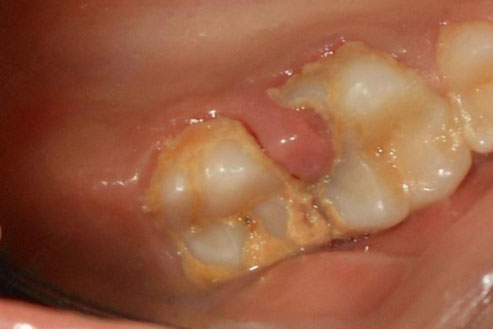
Laser Assisted Excision Of a Gingival Polyps
Gingival polyps, are focal fibrous hyperplastic lesions, also known as, localized gingival enlargement or “epulis”.
Gingival polyps, are focal fibrous hyperplastic lesions, also known as, localized gingival enlargement or “epulis”.
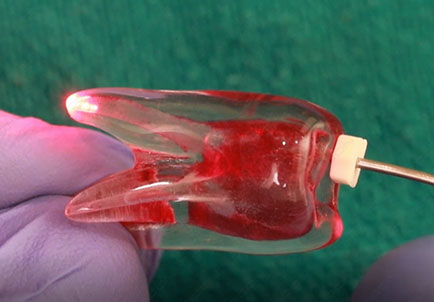
The main goal of endodontic treatment is the effective cleaning of the root-canal system and preventing the reinfection. Traditional endodontic techniques use mechanical instruments and chemical irrigation to shape, clean and completely decontaminate the endodontic system.
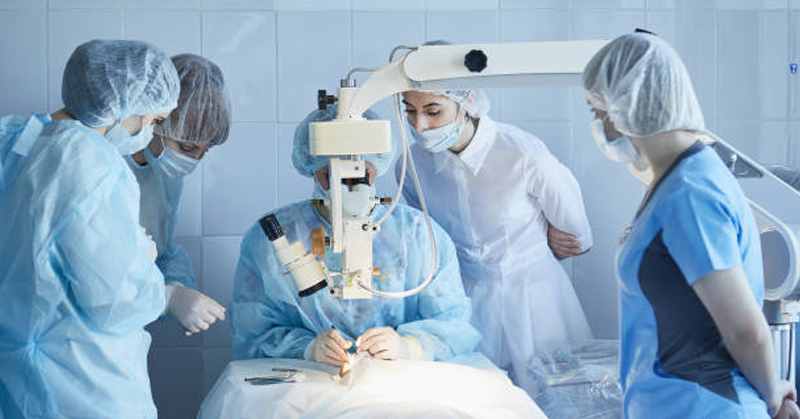
Diode lasers are among the most efficient converters of electrical energy into laser light. Various tissue reactions can be induced this was such as coagulation, vaporization, or welding. Diode lasers offer a rather deep tissue penetration. By changing laser parameters, different tissue effects can be generated. This opens a broad range of possible indications.
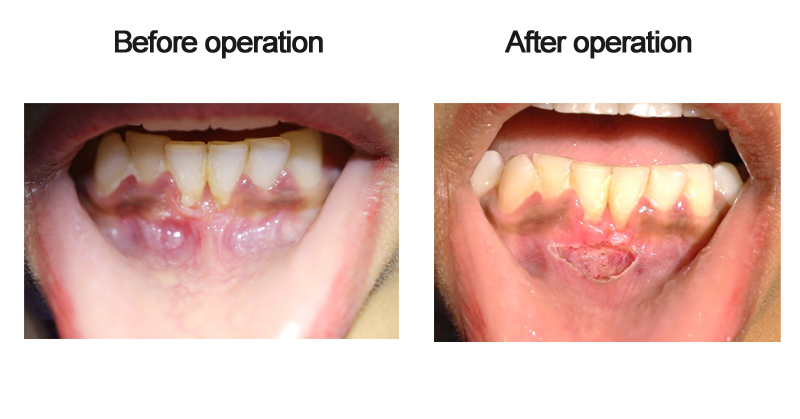
After evolution of LASERS, conventional techniques are replaced by LASER. PIOON Laser offers different wavelengths like 450nm/810nm or 980nm. In this case before the frenotomy procedure tension test was performed to detect the abnormal frena visually by applying tension over the frenum.
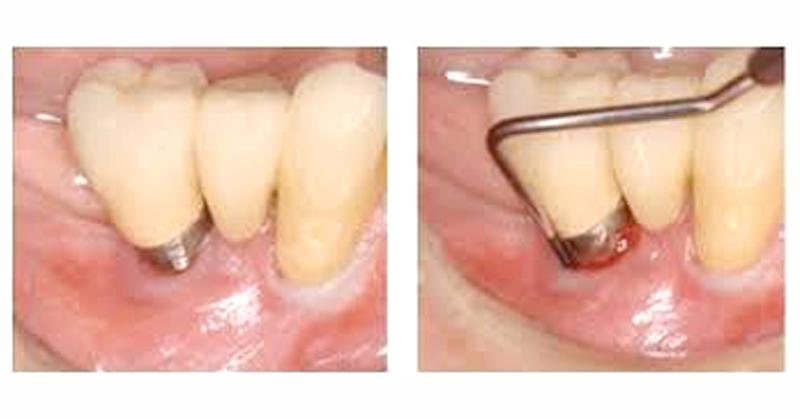
As periodontitis usually occurs in the context of untreated periodontal disease, it is essential to carry out periodontal treatment of the whole mouth prior to oral implant placement or treatment of periodontitis.

For PLDD, the current mainstream wavelength choice is 980nm because 980nm has been clinically proven for a long time in terms of tissue absorption and widely accepted by physicians worldwide.
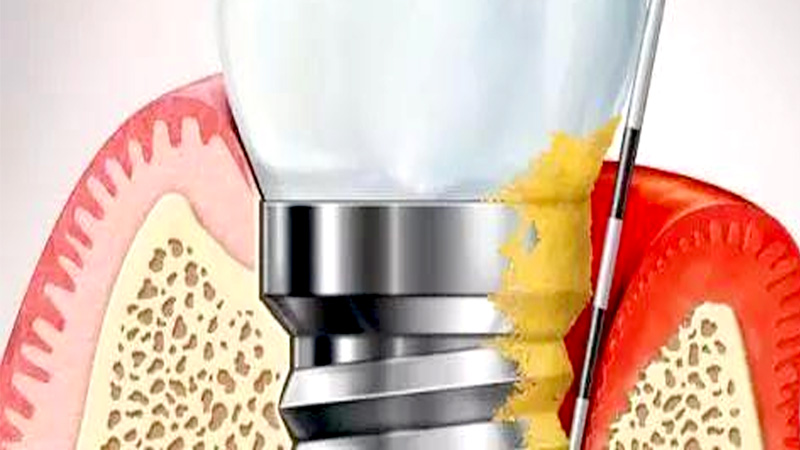
It is well known that the popularity of oral implants is increasing every year as people's living standards improve. The number of patients with peri-implantitis has increased rapidly in recent years due to the treatment conditions and the lack of awareness of patient protection at a later stage. If peri-implantitis is not treated promptly and effectively, it can lead to the loss of the implant.
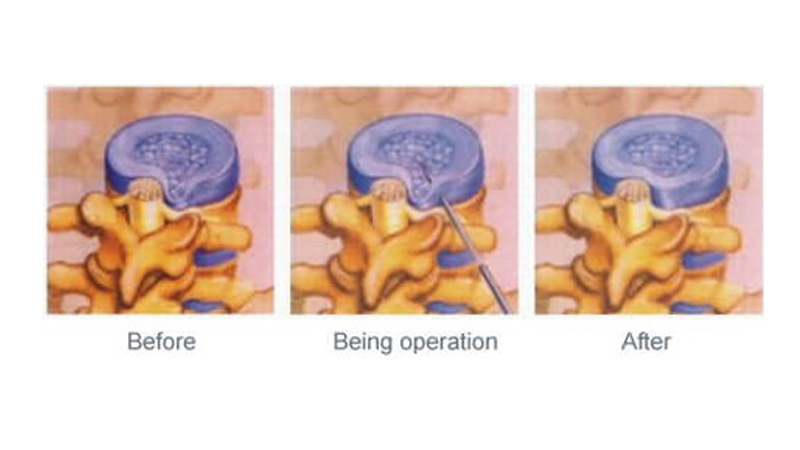
Percutaneous laser disc decompression (PLDD) is a procedure in which a surgical fiber probe is inserted into the disc space and the laser energy emitted by the fiber is applied to vaporize and ablate the nucleus pulposus to achieve decompression and neuromodulation and thus pain relief. It is a minimally invasive surgery with significant clinical advantages and falls under the category of percutaneous intervertebral surgery.
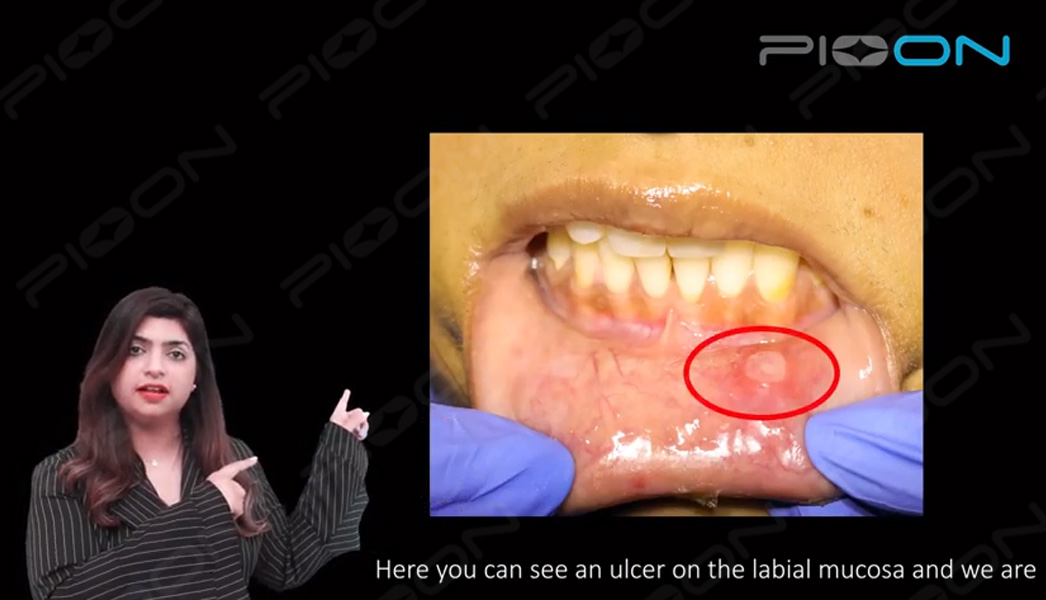
Here is the management of Aphthous Ulcer using LLLT by Dr. Sana Farista. LLLT is the acronym for Low Level Laser Therapy, where very minimal amount of energy is used to reduce pain, discomfort and to fasten the healing of Ulcer.
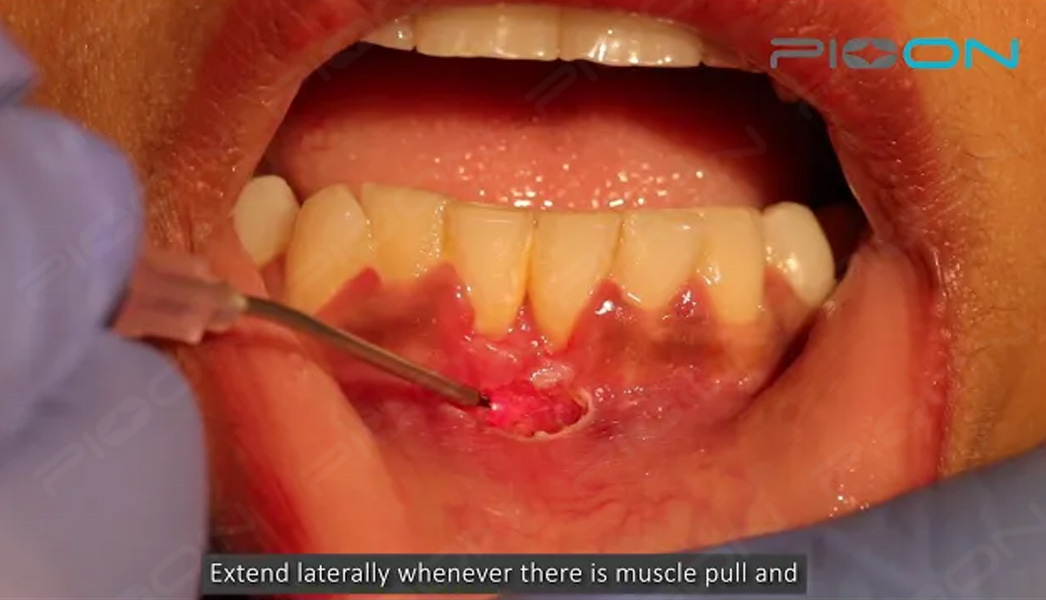
Today Dr. Sana Farista is showcasing a procedure of Frenotomy using S1 Pioon laser, 980nm wavelength. Frenotomy is done to the relieve high frenal attachments/ muscle pull.