Why 980nm Diode Laser is More Suitable for Dental Implant Treatment
Common wavelengths of diode laser include 810nm, 940nm, 980nm and 1064nm. The energy of these lasers mainly targets pigments, such as hemoglobin and melanin in soft tissues.
Soft tissue laser can be absorbed through water and hemoglobin. These lasers are used in the treatment of periodontitis, including killing bacteria and activating tissue regeneration. Soft tissue laser seals nerve endings and blood vessels when penetrating the tissue, so the patient hardly feels pain after laser treatment. The lasers also promotes faster tissue healing.
Hemorrhoids, although not a life-threatening disease, hinder people's lives. Moreover, severe hemorrhoids can also cause great harm to the human body. There is a surgical method to treat hemorrhoids, called laser hemorrhoid surgery. Next, Pioon will introduce the advantages of laser treatment of hemorrhoids.
Our S1-K12 model with 1470nm 12W was used here to finish the whole treatment. Confirmed by clinical statistics, 1470nm's recommended power ranges from 5W to 10W.
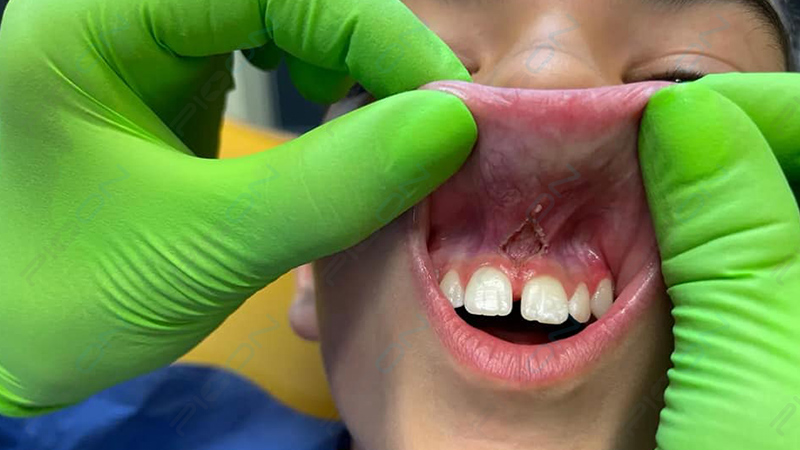
Because the light from a diode laser isn’t absorbed well by hard tissue, it’s excellent for procedures involving the soft tissues in your mouth like your gums, as it gives us maximum precision and won’t damage the teeth.
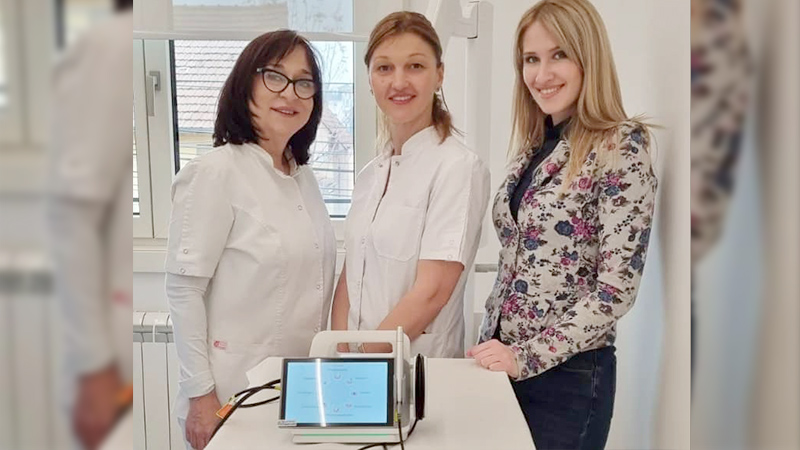
It’s a wonderful workshop in India. And we are looking forward to more dentists doing the perfect dental treatment with this unparalleled H1 smart soft tissue dental laser.
Topic covered: Fundamentals of Laser, Laser-Tissues Interactions , Safe Laser Operational Parameters , Lasers in Periodontal Treatment , Gingival Depigmentation , Lasers –Assisted Implantology , Photobiomodulation Therapy ...
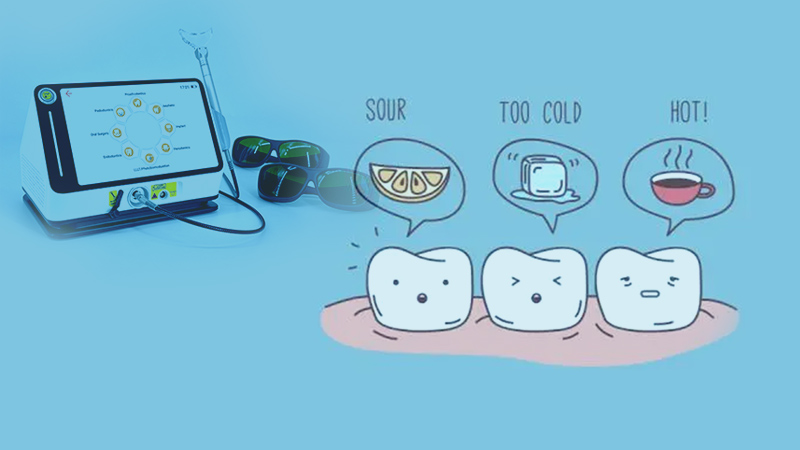
This latest technology offers more range of benefits to both patients and dentists. It offers faster working time and a expanded horizon of dental treatment because of availability of multiple wavelengths in a single unit.
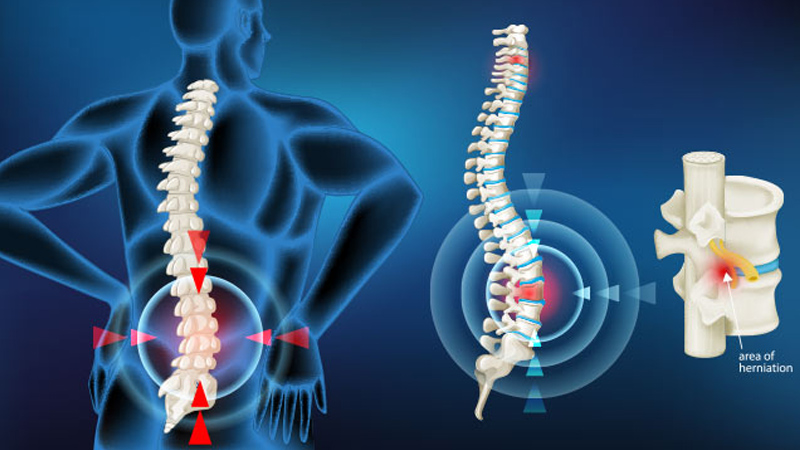
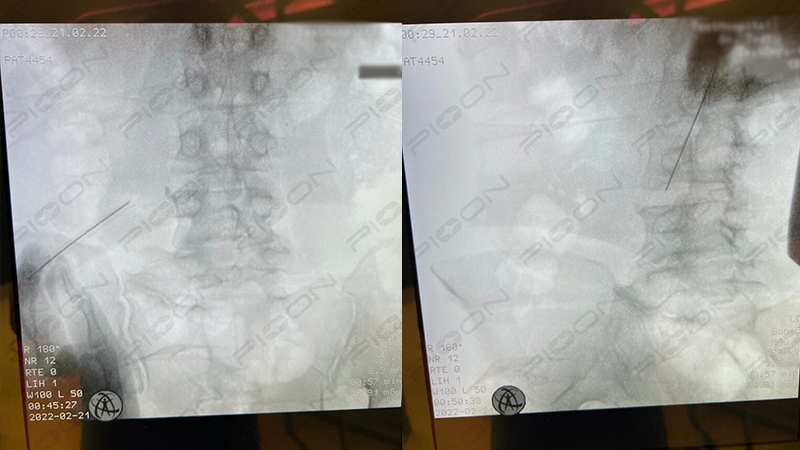
Patients improved significantly in a short time after the PLDD, which can be explained by two primary factors as follows. Laser irradiation vaporized a small amount of nucleus pulposus (NP) in the affected disc, which resulted in an immediate reduction of the intradisc pressure, thus resulting in gradual withdrawal of disk compression on the nerve root.
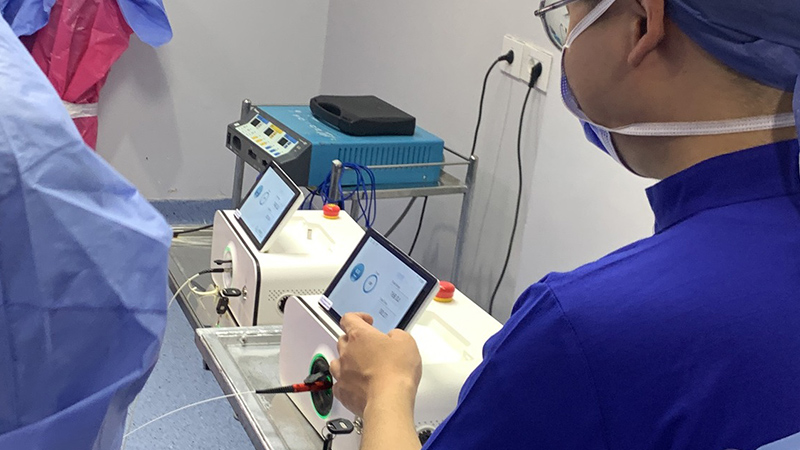
In this operation, our S1 Pro was used here to do the treatment with just 9 Watts, which is clinically proven and safe.