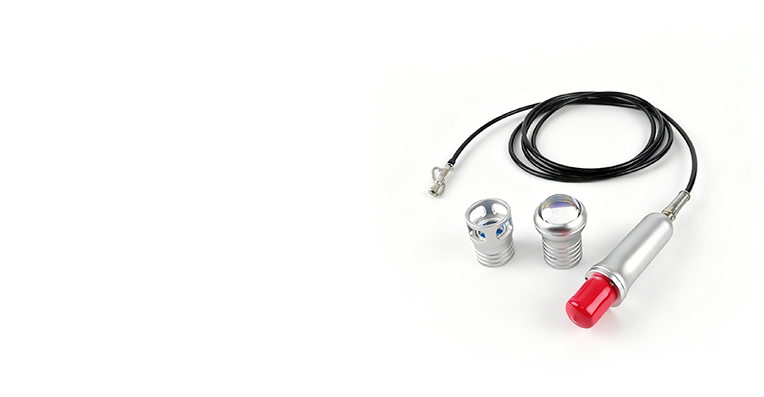
PBM Therapy Handpiece for Dentist Care
A dental system with PBM-oriented therapy applications, flexible treatment head options, and targeted support for daily comfort and recovery.
A dental system with PBM-oriented therapy applications, flexible treatment head options, and targeted support for daily comfort and recovery.
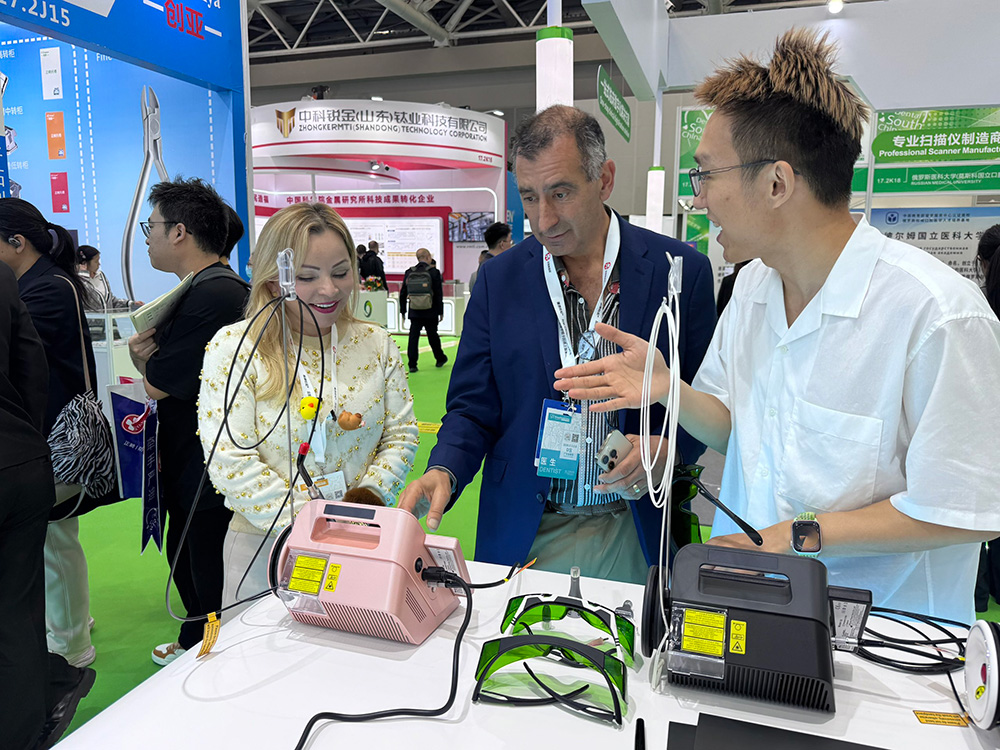
South Dental China 2026 has come to a close, and it was an inspiring few days connecting with dental professionals from around the world. From live demonstrations to hands-on discussions, our booth was filled with curiosity, conversations, and shared interest in how laser technology can support modern dental treatments.
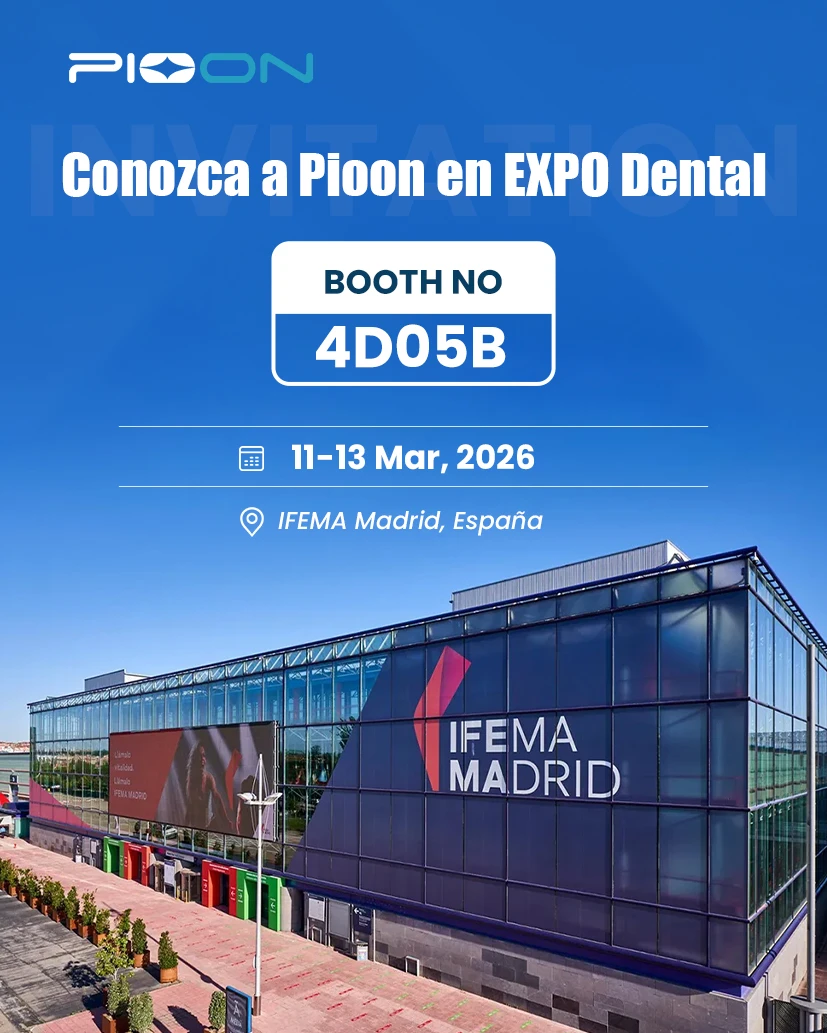
We’re excited to announce that PIOON will be participating in EXPO Dental 2026, one of the most important dental exhibitions in Spain. Join us in Madrid and discover how our laser technologies support modern dental treatments — from soft tissue procedures to advanced clinical applications.
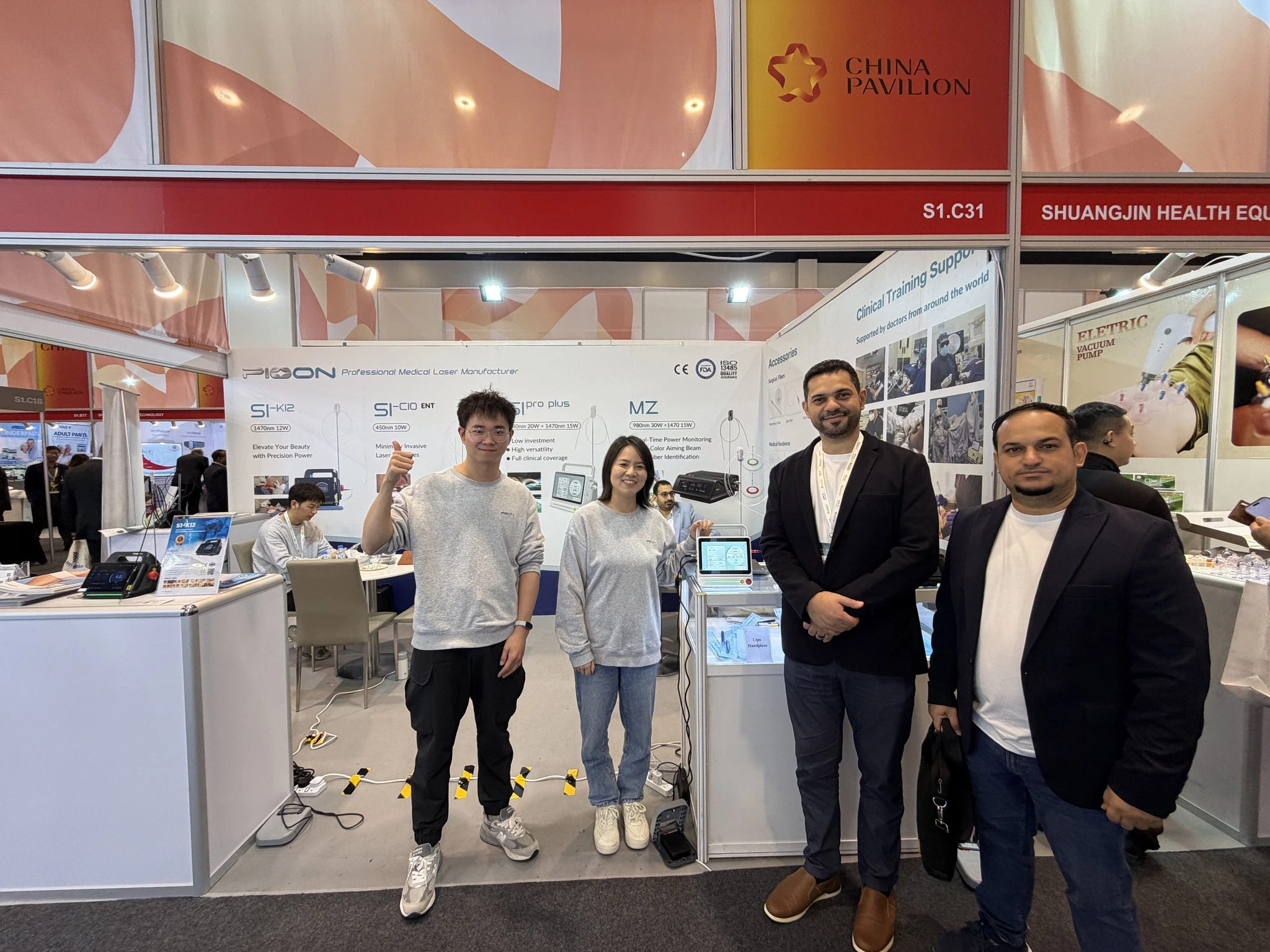
At the 2026 WHX exhibition, Day 3 of the event has concluded with growing momentum—conversations around medical laser technology have become more targeted, shifting from initial impressions to practical discussions on how medical laser supports real clinical workflows and integrates into daily treatment protocols.
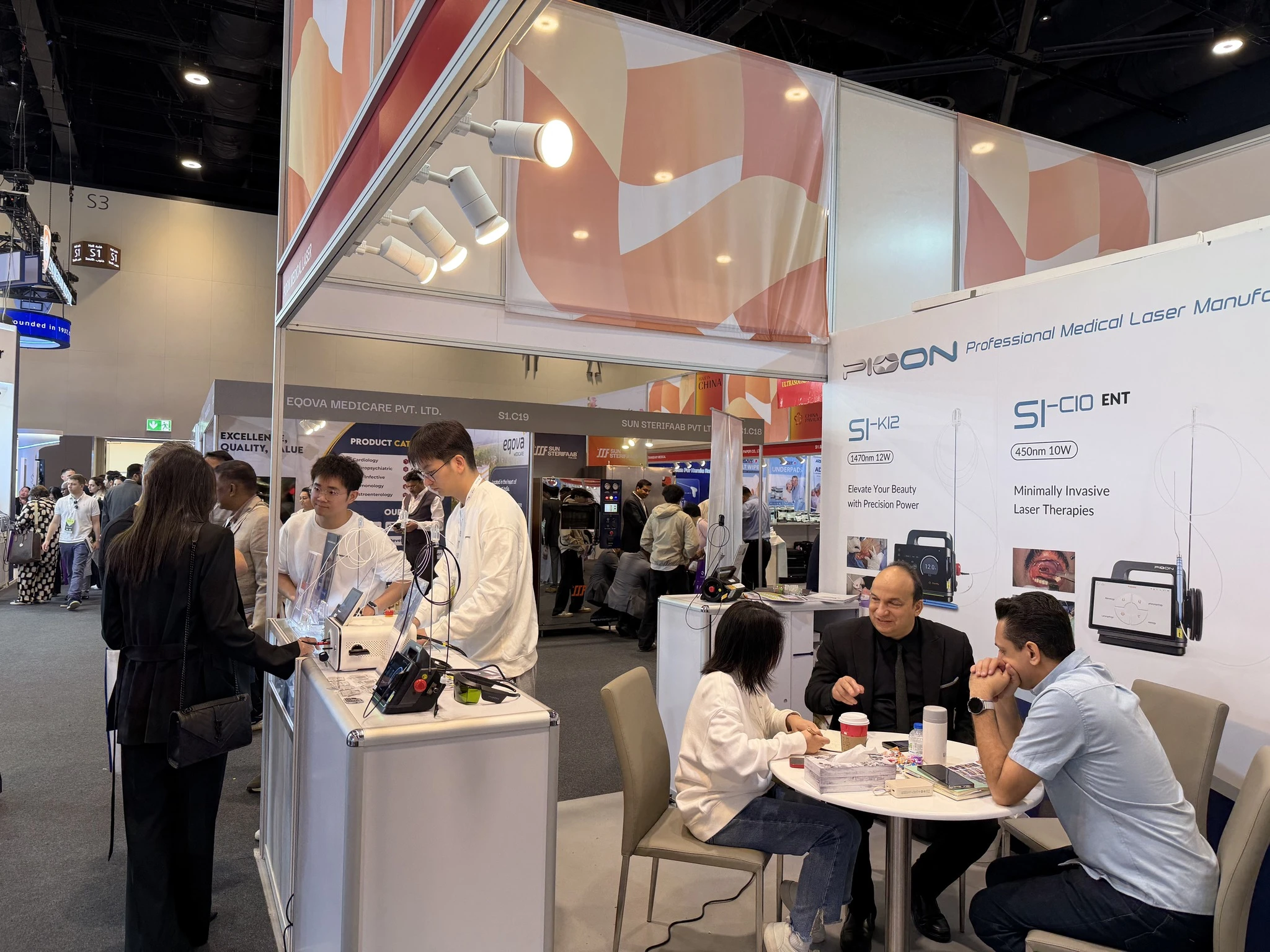
WHX Day 2 shifted focus from tech introduction to clinical integration. Visitors explored how S1-K12 with Thermal Goggles fits into daily clinical routines, diving into treatment parameters, case selection, workflow adaptation & patient communication. Discussions moved beyond "what it can do" to "how it integrates", focusing on ease of adoption, versatile integration & measurable practice benefits.
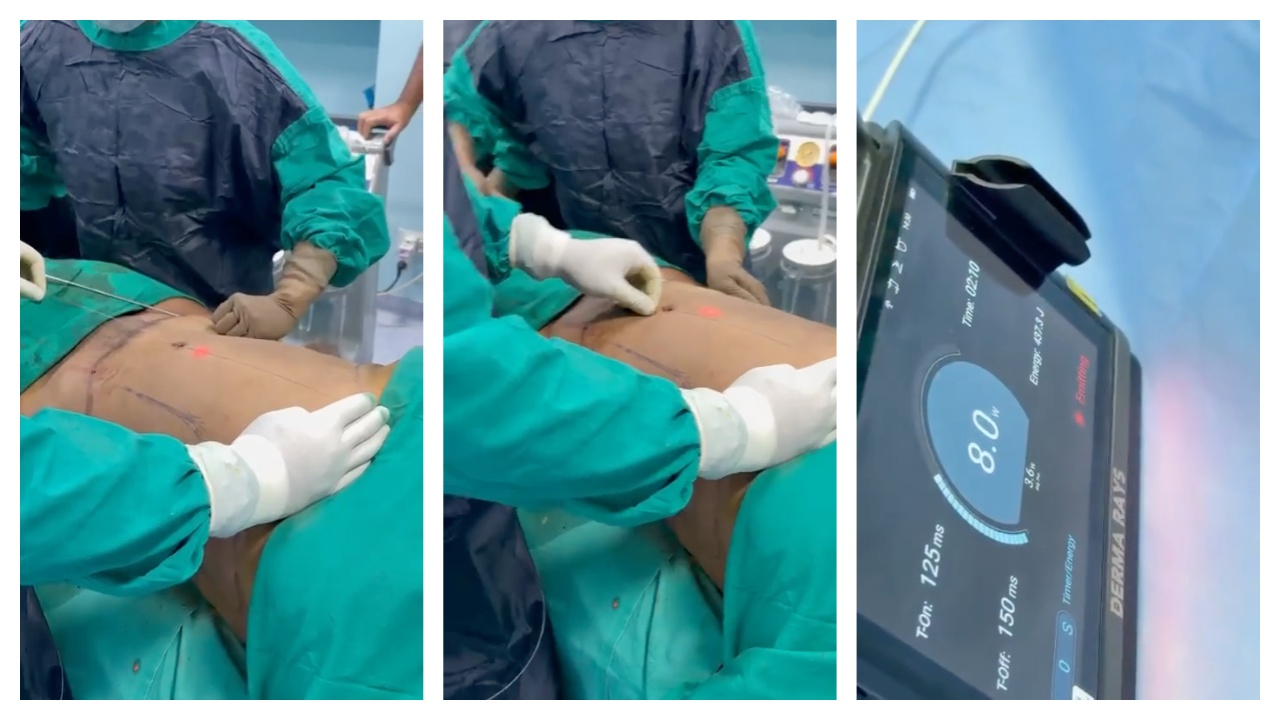
The treatment demonstrates stable energy delivery and controlled interaction with subcutaneous tissue, supporting gradual fat reduction and contour improvement in the abdominal area. The feedback reflects how laser-assisted lipolysis can be integrated into non-surgical body shaping protocols with efficiency and patient comfort in mind.
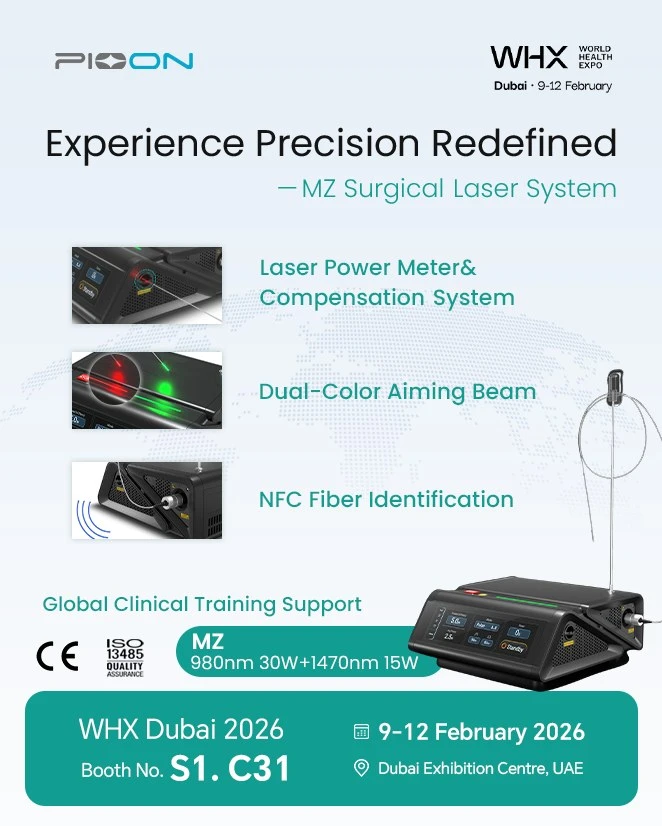
With 980nm 30W + 1470nm 15W, MZ delivers precision across a wide range of surgical and therapeutic applications — backed by global clinical training support to help you get the most out of every treatment.
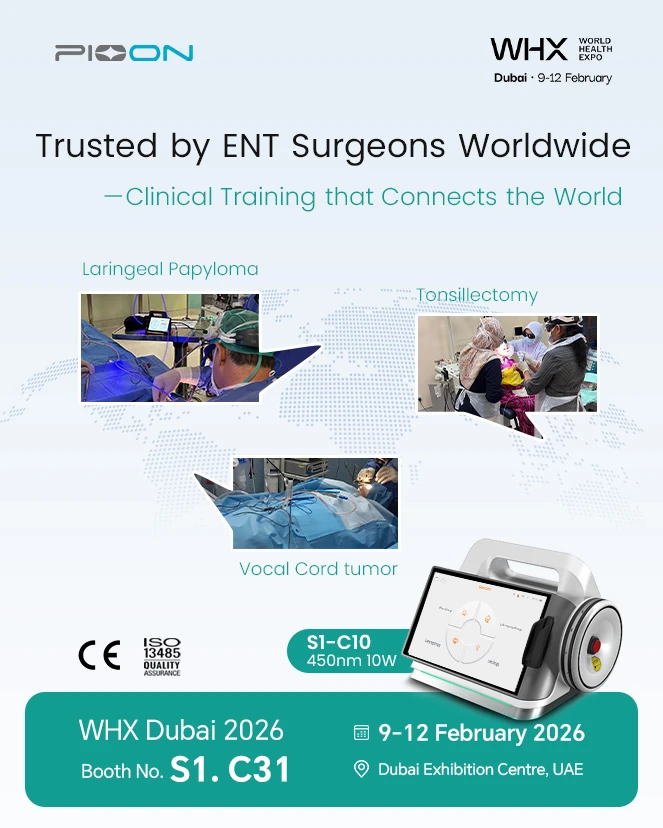
The S1-C10 450nm Diode Laser is designed to support a wide range of ENT treatments, delivering precise, controlled performance for procedures such as laryngeal papilloma, tonsillectomy, and vocal cord tumor management.
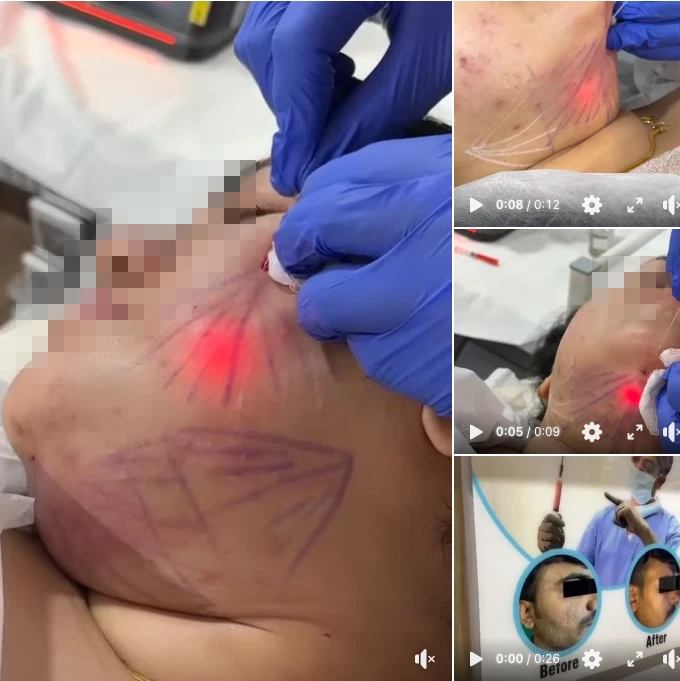
We sincerely thank our partner Derma Rays Private Limited for sharing this real-world clinical video demonstrating facial lipolysis treatment.This case highlights a minimally invasive approach with precise energy control, supporting effective fat reduction and facial contour refinement in clinical practice.
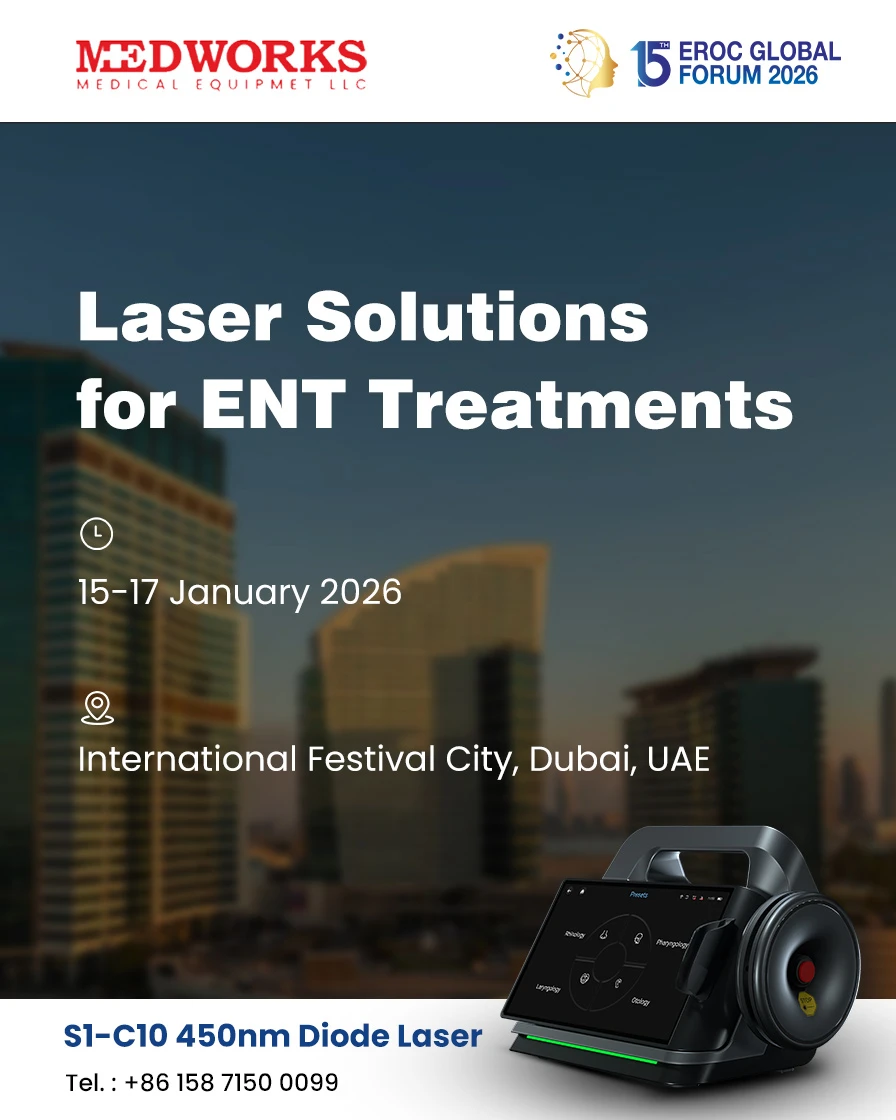
We’re pleased to announce that our partner MEDWORKS Medical Equipment LLC will be presenting advanced laser solutions for ENT treatments at EROC Global Forum 2026 in Dubai.