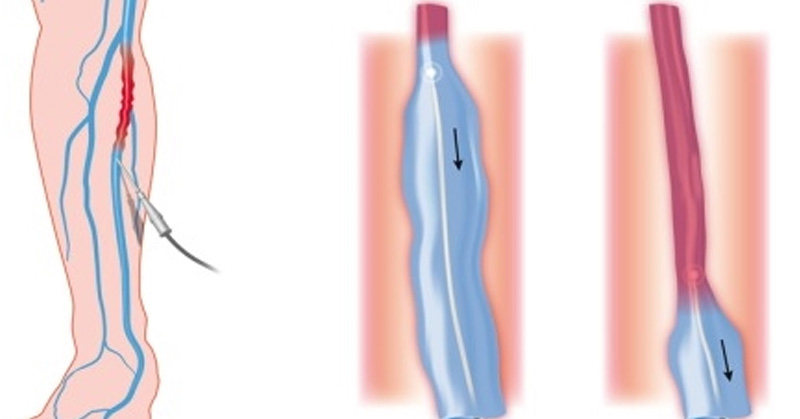
Endovenous Laser Ablation
Endovenous Laser Treatment (EVLT), also known as Endovenous Laser Ablation (EVLA), is a minimally invasive technique to eliminate varicose veins.
Read more ›
Endovenous Laser Treatment (EVLT), also known as Endovenous Laser Ablation (EVLA), is a minimally invasive technique to eliminate varicose veins.
Read more ›
Why use laser therapy? Although there are several treatments available for TMD. Some typical treatments are painkillers, dental clips, injections, massage, physical therapy, chiropractic or anti-inflammatory drugs.
Read more ›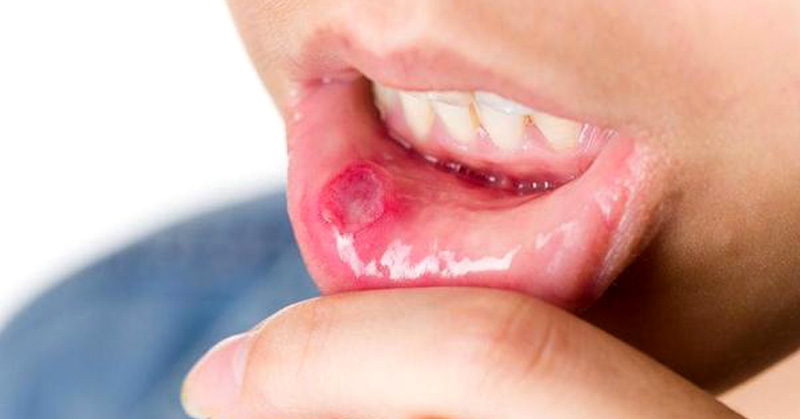
Laser treatment of recurrent aphthous stomatitis is an easy, fast and pain-free procedure. Studies have shown that ulcers treated by laser therapy provide immediate pain relief and fewer recurrences in the future.
Read more ›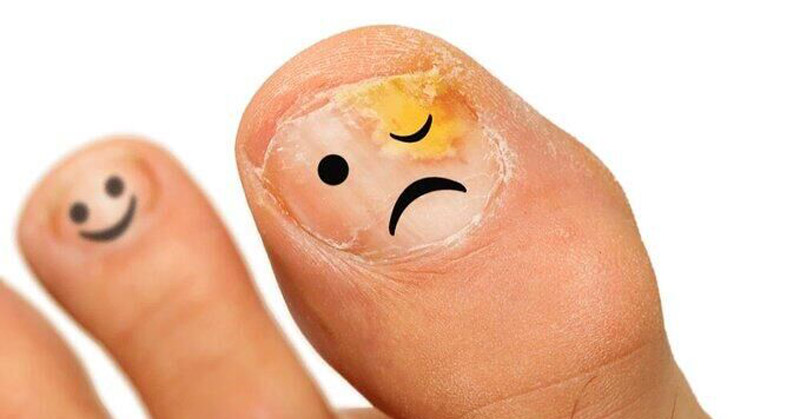
First, briefly introduce the principle of laser treatment of nail fungal toenails. Laser devices emit pulses of energy that produce heat. When used to treat onychomycosis, the laser is directed so the heat will penetrate through the toenail to the nail bed where the fungus is present.
Read more ›
The temporomandibular joint, or TMJ, connects the jawbone to the skull. This joint performs both sliding and hinge actions, allowing the jaw to open, close, and move in circular motions. The bones that make these movements possible are covered in cartilage and separated from the jaw by a small, shock-absorbing disk.
Read more ›
Medical Diode Laser has an active application in minimally invasive treatment. Wavelengths suitable for absorption by tissues, precisely adjustable energy, and high adaptability to various surgical fibers are features that distinguish laser treatment from traditional scalpel-based ways.
Read more ›
The advantages of laser treatment are its controlled and precise fractional energy, which brings the advantages of small incisions, low complications and short recovery time. The same applies to PLDD, which can also achieve better postoperative results for herniated discs and no recurrence for a long time.
Read more ›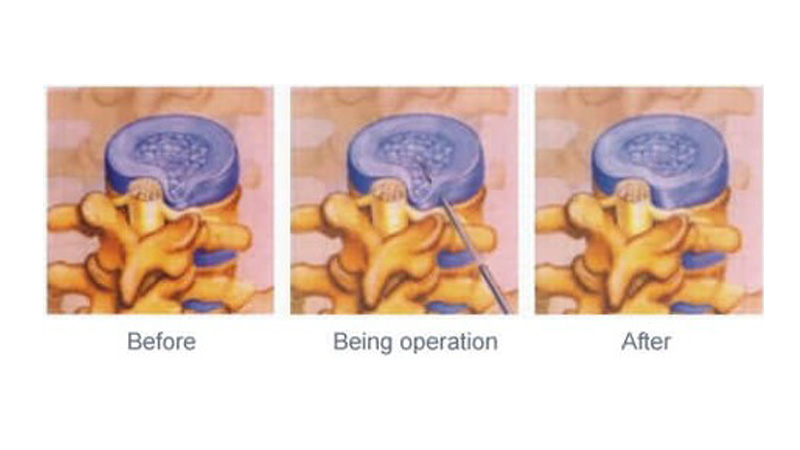
Percutaneous laser disc decompression (PLDD) is a procedure in which a surgical fiber probe is inserted into the disc space and the laser energy emitted by the fiber is applied to vaporize and ablate the nucleus pulposus to achieve decompression and neuromodulation and thus pain relief. It is a minimally invasive surgery with significant clinical advantages and falls under the category of percutaneous intervertebral surgery.
Read more ›
Low level laser therapy (LLLT) is defined as laser treatment in which the energy output is low enough to produce nonthermal and biostimulatory effects. The mechanisms of effect of LLLT causing laser analgesia are due to the stabilization of depolarising potential of nerve fibres or effects on the cellular and biochemical processes of the inflammatory responses. It is a new treatment modality and has the advantages of being painless with no side effects.
Read more ›