
Why 980nm Diode Laser is More Suitable for Dental Implant Treatment
Common wavelengths of diode laser include 810nm, 940nm, 980nm and 1064nm. The energy of these lasers mainly targets pigments, such as hemoglobin and melanin in soft tissues.
Soft tissue laser can be absorbed through water and hemoglobin. These lasers are used in the treatment of periodontitis, including killing bacteria and activating tissue regeneration. Soft tissue laser seals nerve endings and blood vessels when penetrating the tissue, so the patient hardly feels pain after laser treatment. The lasers also promotes faster tissue healing.
Laser is the light with the best directivity in the world. Due to its extremely small divergence angle, it looks almost parallel to the naked eye, making the laser energy highly concentrated.
Because the light from a diode laser isn’t absorbed well by hard tissue, it’s excellent for procedures involving the soft tissues in your mouth like your gums, as it gives us maximum precision and won’t damage the teeth.
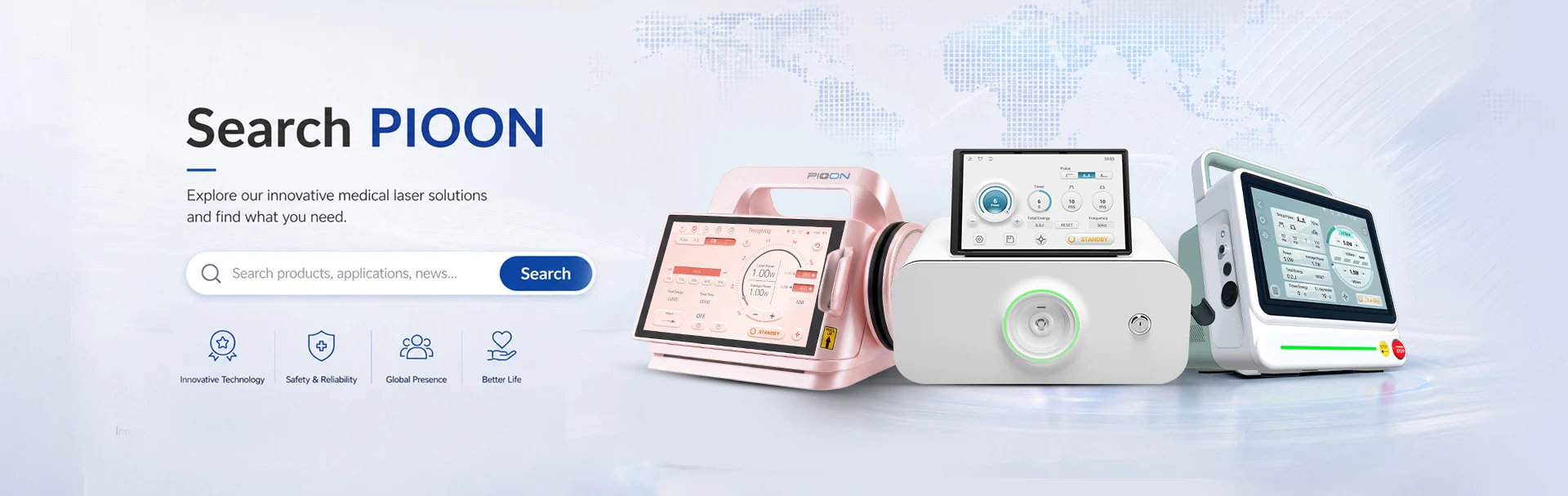
S1 Pro medical diode laser is safe and effective. It' s stable and can work for a long time because its good heat dissipation. The simple software makes surgeons set up rapidly and easily. The software also can be upgraded after connecting the WIFI
The 450nm diode laser proved of being very efficient in the oral soft tissue surgical procedures, with no side effects for the patients.
Compared with traditional treatment, Diode laser is simple and convenient to operate, and has unique functions in sterilization, removal of contaminated layer, gasification of dental calculus, and relief of dentin sensitivity.
Lasers have different advantages in aiding peri-implant sterilization, removing infected granulation tissue, removing infected alveolar bone, and promoting peri-implant tissue healing.
A periodontal disease starts when the bacteria, (often found in plaque), infect the areas around the teeth and form the hardened substance called calculus.
Discoloured teeth is aesthetically unpleasant. Bleaching the tooth with bleaching agent is one of the methods used traditionally by dentist.