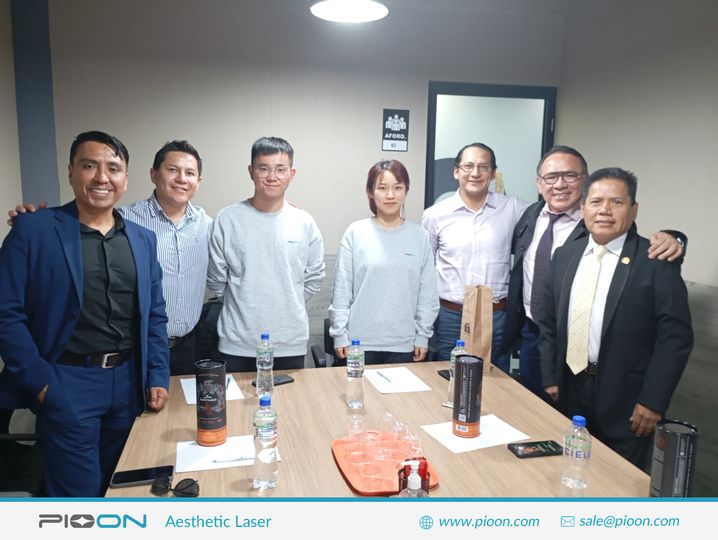
Pioon Continues Its Journey in South America!
Whether it's laser therapy, minimally invasive surgery, or other innovative techniques, Pioon is your trusted partner!
Read more ›
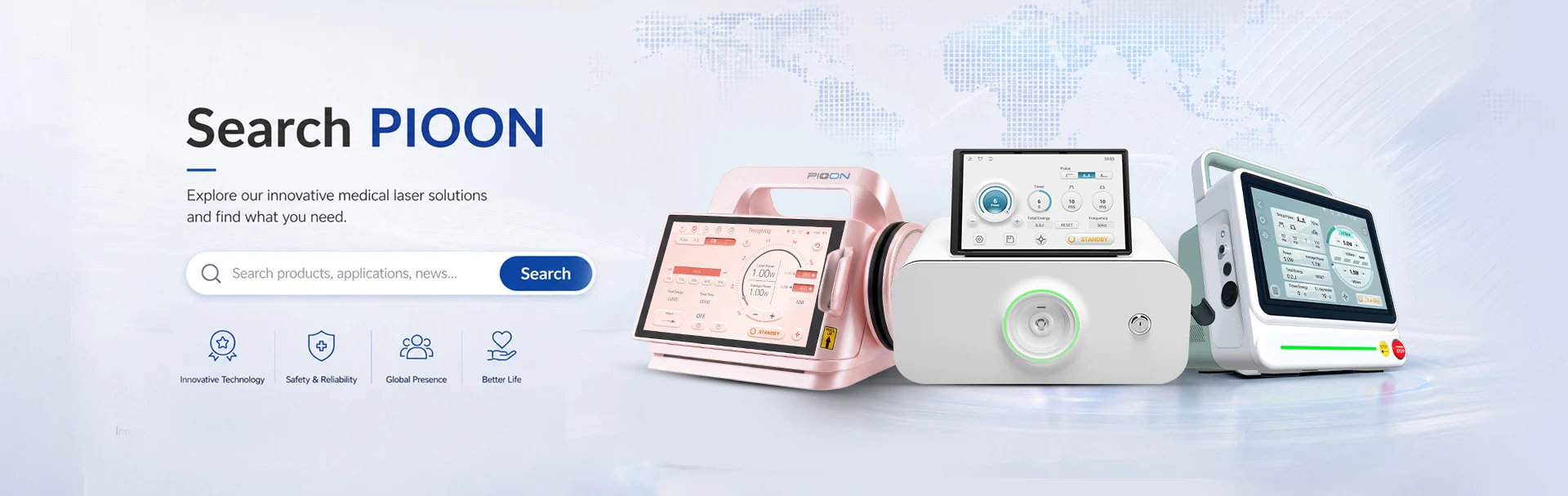
Whether it's laser therapy, minimally invasive surgery, or other innovative techniques, Pioon is your trusted partner!
Read more ›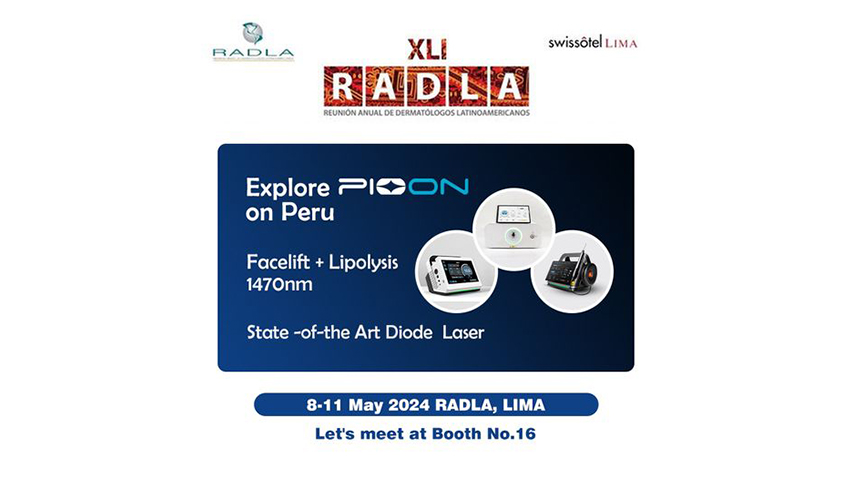
Less than 10 days left until Pioon brings the most advanced facial lipolysis laser equipment 1470nm to meet everyone in South America, Peru, RADLA! Excited to know about the facelift preoperative preparation, intraoperative procedures, and how to avoid postoperative risks? Don't miss out! Meet us at Booth No.16
Read more ›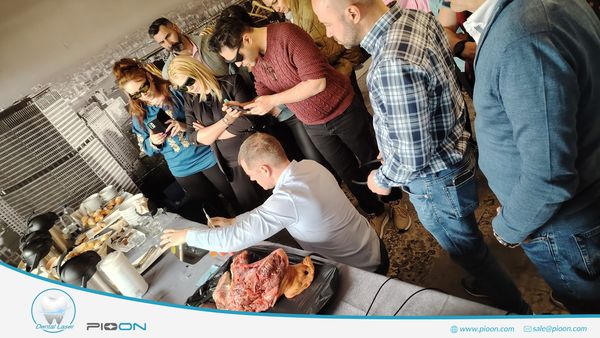
Embrace a partnership with PIOON Dental Laser! where you gain not just a laser device, but also exceptional service, premier education, and cutting-edge technology!
Read more ›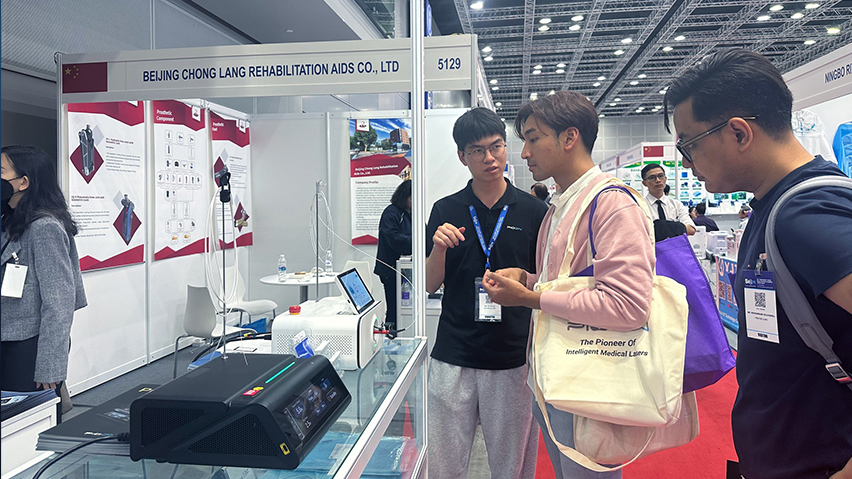
Join Pioon's sales experts at our booth 5128 and unlock a world of laser precision! Our team offers unparalleled product expertise and cutting-edge clinical solutions.
Read more ›
Exciting News! Pioon Medical Laser will be participating in the ASIAN HEALTHCARE SHOW 2024 next week from 17 to 19 April. Join us to witness intelligent, innovative, and precise medical laser devices! Don't miss out on this opportunity to explore cutting-edge technology. See you there!
Read more ›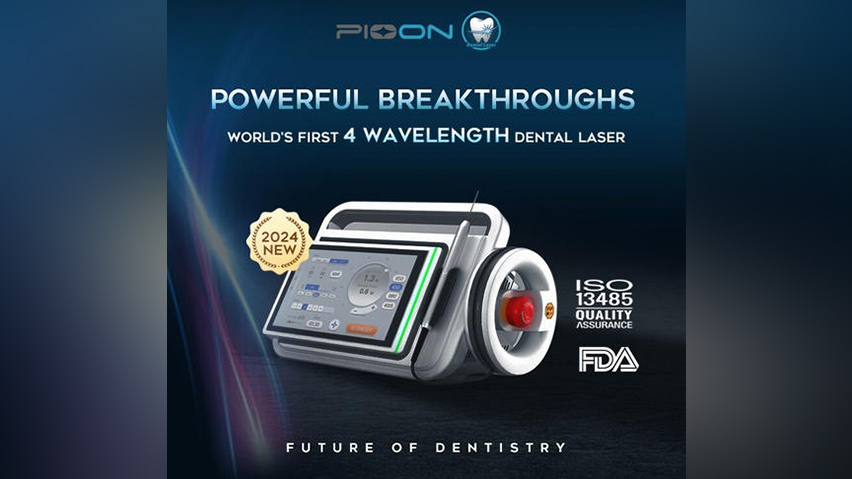
With the latest 4-wavelength technology and sleek design upgrades, the S3PRO is set to redefine the future of dental lasers, setting new standards for excellence and innovation.
Read more ›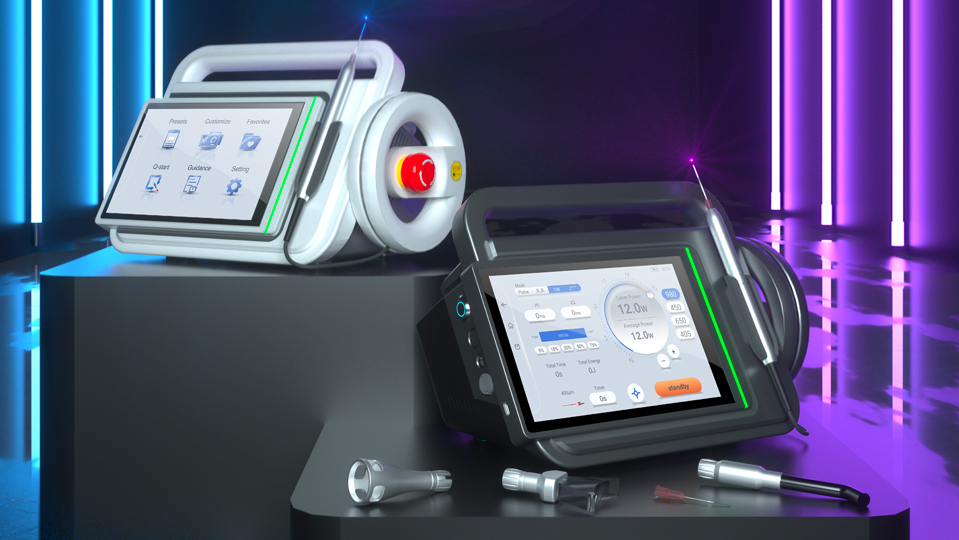
Discover the game-changing S3 PRO Dental Laser redefining dental care with cutting-edge innovation! Experience automatic screen-off technology for extended battery life and eco-friendliness. With a sleek, user-friendly interface designed for medical professionals, navigating procedures is seamless.
Read more ›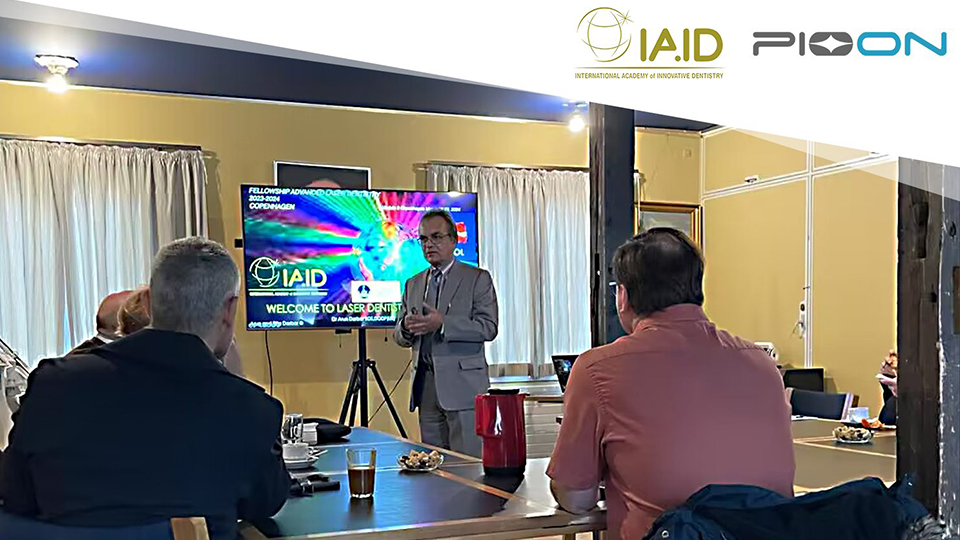
PIOON Dental Laser is honored to have been chosen as the designated laser partner for this event, providing state-of-the-art laser technology support to local dental professionals.
Read more ›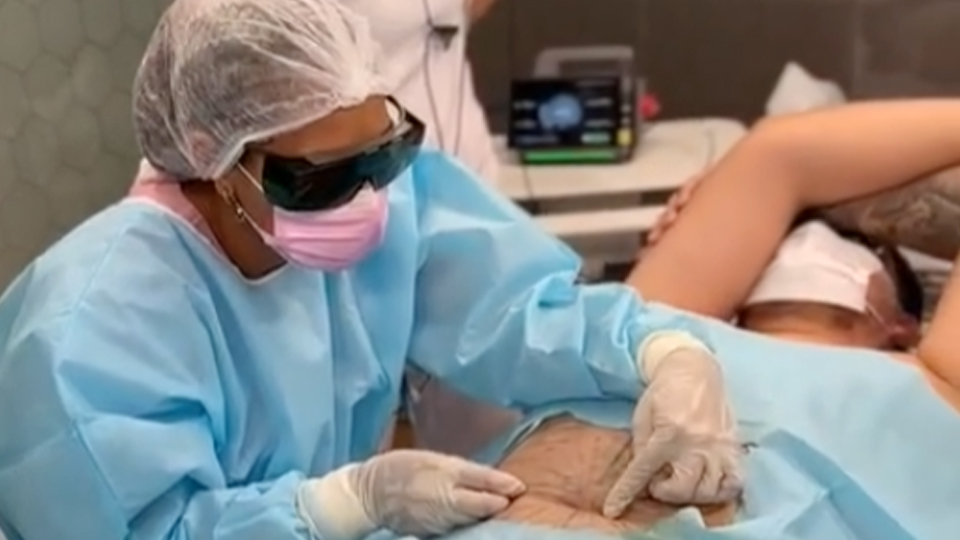
Witness the incredible results achieved with our S1-K12 featuring 1470nm, LaserLift handpiece, and the perfectly matched LaserLift fiber tip. They opted for a session combining superficial body lipolysis, and the transformation is truly remarkable!
Read more ›