
What Is Laser Teeth Whitening?
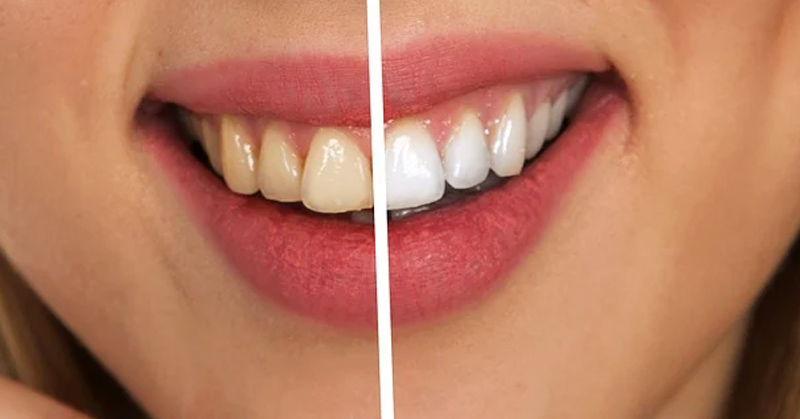
Laser teeth whitening is a professional cosmetic dental procedure designed to reduce tooth discoloration and improve the overall brightness of teeth. The treatment combines a professional whitening gel with laser energy to accelerate the bleaching process and enhance whitening efficiency.
Compared with traditional whitening methods, laser-assisted whitening is typically performed in a shorter treatment time and may provide more noticeable results in a single dental visit. It is commonly used for patients with stains caused by coffee, tea, smoking, aging, or dietary habits.
Laser teeth whitening is usually performed in a dental clinic under professional supervision to ensure safety and effectiveness.
How Does Laser Teeth Whitening Work?
Laser teeth whitening works by activating hydrogen peroxide or carbamide peroxide in the whitening gel using concentrated laser energy. When exposed to laser light, the whitening agent breaks down more rapidly and releases oxygen radicals.
These oxygen radicals penetrate the enamel surface and oxidize chromophore molecules responsible for tooth discoloration. As the pigment molecules are broken into smaller and lighter-colored compounds, the teeth gradually appear whiter and brighter.
The laser also helps accelerate the chemical reaction of the whitening gel, allowing the treatment to achieve efficient whitening results within a relatively short period.
Laser Teeth Whitening Procedure
Laser teeth whitening is generally completed in several clinical steps:
1. Oral Examination
The dentist first evaluates the patient’s oral health to determine whether laser whitening is suitable. Teeth cleaning may be recommended before treatment to remove plaque and surface stains.
2. Gum Protection
A protective barrier or gingival dam is applied to protect the gums and surrounding soft tissues from the whitening gel and laser exposure.
3. Whitening Gel Application
A professional whitening gel containing hydrogen peroxide is carefully applied to the tooth surface.
4. Laser Activation
The laser is directed onto the treated teeth to activate the whitening agent and accelerate the bleaching reaction.
5. Final Cleaning and Evaluation
After the treatment cycle is completed, the gel is removed and the dentist evaluates the whitening results. Additional sessions may be recommended depending on the degree of discoloration and patient expectations.
Advantages of Laser Teeth Whitening
Laser-assisted teeth whitening may offer several clinical and cosmetic advantages compared with conventional light-assisted whitening systems.
Shorter Treatment Time
Laser whitening procedures are often completed more quickly than traditional LED whitening treatments because laser energy accelerates the activation of the whitening gel.
Improved Whitening Efficiency
The concentrated laser energy may enhance the penetration and effectiveness of the bleaching agent, helping improve whitening performance during in-office treatment.
Reduced Tooth Sensitivity
Some patients report lower levels of post-treatment tooth sensitivity compared with certain conventional whitening methods.
Professional Supervision
The procedure is performed by trained dental professionals, allowing treatment parameters to be adjusted according to the patient’s oral condition and whitening goals.
Laser Whitening vs LED Whitening
| Feature | Laser Whitening | LED Whitening |
|---|---|---|
| Activation Method | Concentrated laser energy | LED or cold light source |
| Treatment Time | Typically shorter | Usually longer |
| Whitening Efficiency | Higher activation efficiency | Moderate activation efficiency |
| Heat Control | More targeted energy delivery | Broader light exposure |
| Tooth Sensitivity | May be reduced in some cases | May be more noticeable |
Is Laser Teeth Whitening Safe?
When performed by qualified dental professionals using clinically approved whitening materials, laser teeth whitening is generally considered safe for enamel and surrounding oral tissues.
Temporary tooth sensitivity or mild gum irritation may occur after treatment, but these effects are usually short-term. Patients with untreated cavities, severe tooth sensitivity, gum disease, or dental restorations should consult a dentist before undergoing whitening treatment.
A professional dental examination is important to determine whether laser teeth whitening is appropriate for each patient.
Science Behind Laser Teeth Whitening
The whitening mechanism of laser-assisted bleaching is based on the rapid activation of peroxide compounds. When hydrogen peroxide absorbs laser energy, it decomposes into water molecules and reactive oxygen species.
The generated oxygen radicals oxidize organic chromophore molecules trapped within the enamel and dentin structure. This oxidation process alters the molecular structure of stains and reduces their color intensity.
Laser energy may also increase the reaction rate of the whitening agent, helping improve bleaching efficiency and shorten treatment duration.
Who Is a Good Candidate?
Laser teeth whitening may be suitable for individuals with:
Yellow or stained teeth caused by coffee, tea, or smoking
Age-related tooth discoloration
Extrinsic enamel stains
Healthy teeth and gums
Good oral hygiene habits
Patients with severe enamel erosion, untreated dental disease, pregnancy, or extensive dental restorations should consult their dentist before treatment.
Frequently Asked Questions
How long does laser teeth whitening last?
Whitening results may last from several months to a few years depending on oral hygiene, diet, smoking habits, and lifestyle factors.
Does laser teeth whitening damage enamel?
Current clinical studies suggest that professionally supervised laser whitening has minimal effects on enamel when used appropriately and according to recommended treatment protocols.
Is laser whitening painful?
Most patients experience little to no discomfort during the procedure. Some individuals may experience temporary tooth sensitivity after treatment.
How many sessions are needed?
The number of sessions depends on the severity of discoloration and the desired whitening level. Some patients achieve noticeable improvement after a single session.
Can laser whitening remove all stains?
Laser whitening is generally more effective for extrinsic stains caused by food, beverages, or smoking. Certain intrinsic stains may require alternative cosmetic dental treatments.