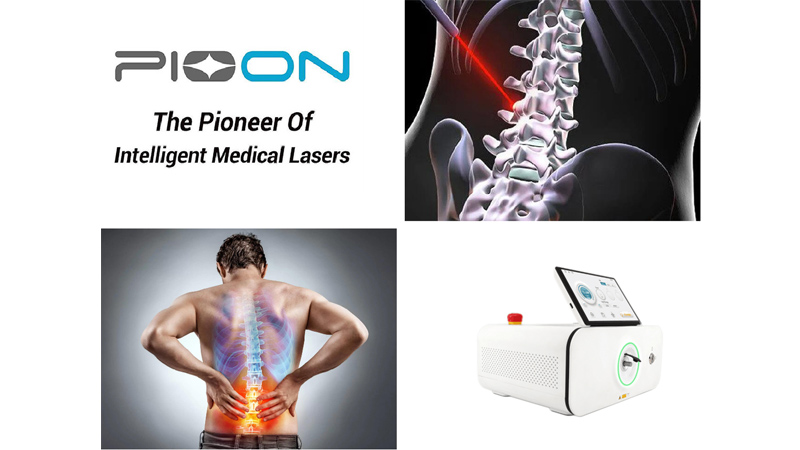
PLDD- Percutaneous laser disc decompression
Percutaneous laser disc decompression is an effective and cost-effective intervention for the treatment of herniated discs.
Percutaneous laser disc decompression is an effective and cost-effective intervention for the treatment of herniated discs.
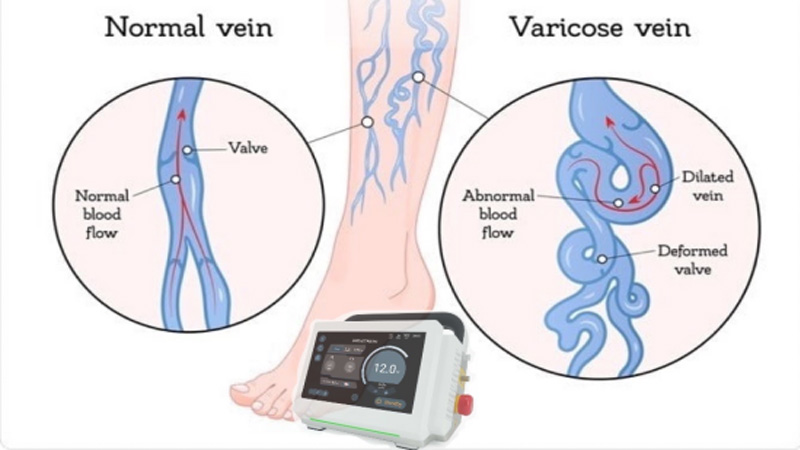
Endovenous laser ablation (EVLA, sometimes referred to as EVLT) remains the gold standard treatment for varicose veins.EVLA treats the underlying condition that leads to the appearance of varicose veins, restoring healthy blood flow to the legs.
The M3 medical diode laser(980nm 15W) is especially designed for the treatment of Podiatry.The infrared 980nm wavelength is important to ensure deep tissue penetration.
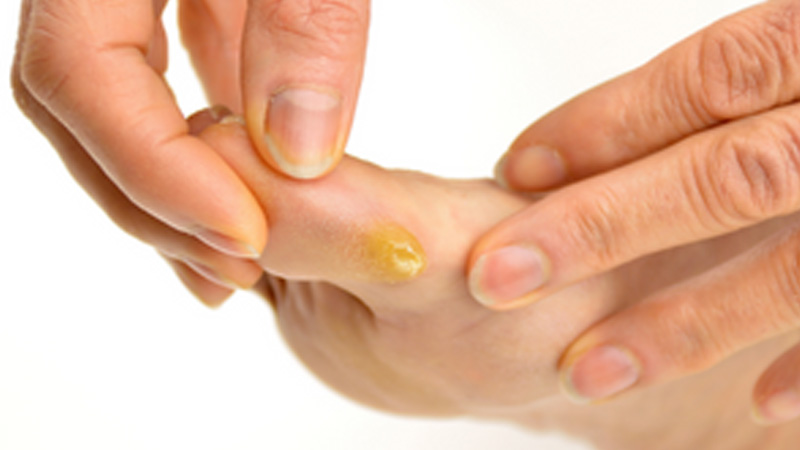
Laser treatment for Clavus Durus is painless and usually takes less than 10 minutes per session. Move the laser slowly over the entire treatment area until you are finished. PIOON medical diode laser penetrates deep enough to reach the muscles, ligaments and tendons in the feet and ankles without damaging tissue like other treatments.
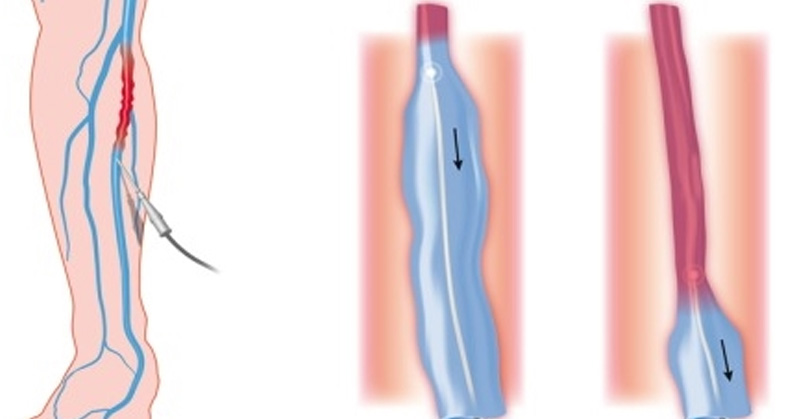
Endovenous Laser Treatment (EVLT), also known as Endovenous Laser Ablation (EVLA), is a minimally invasive technique to eliminate varicose veins.
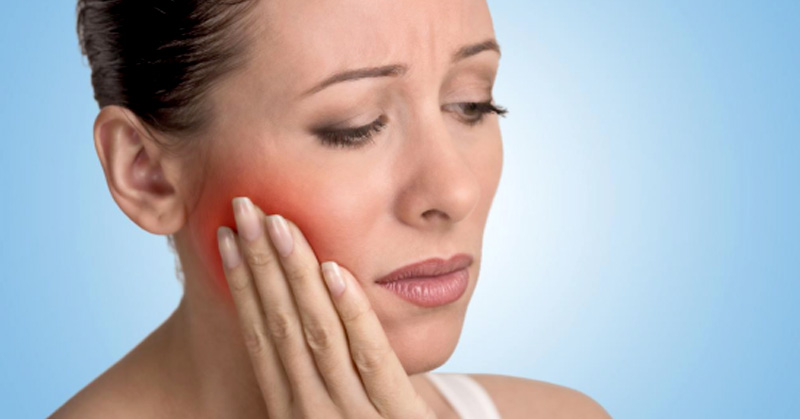
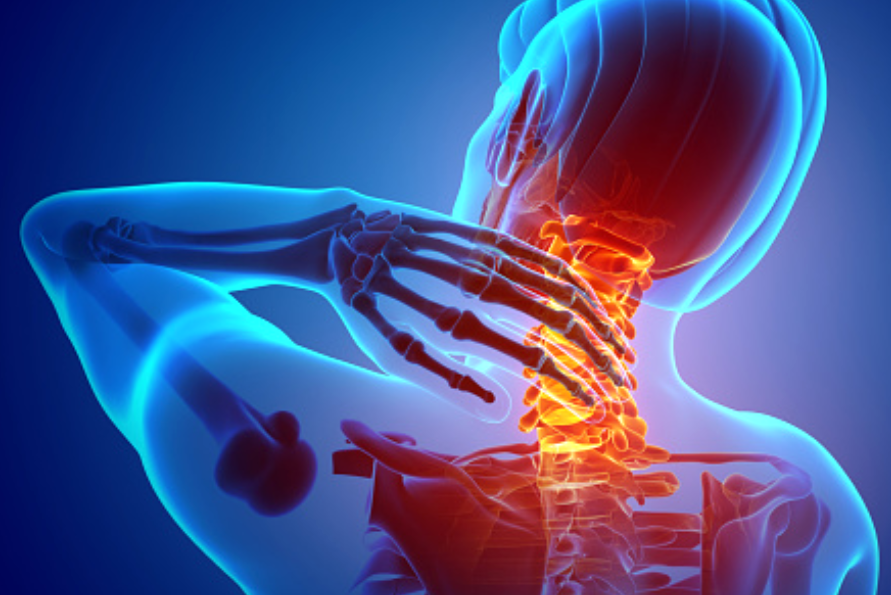
Why use laser therapy? Although there are several treatments available for TMD. Some typical treatments are painkillers, dental clips, injections, massage, physical therapy, chiropractic or anti-inflammatory drugs.
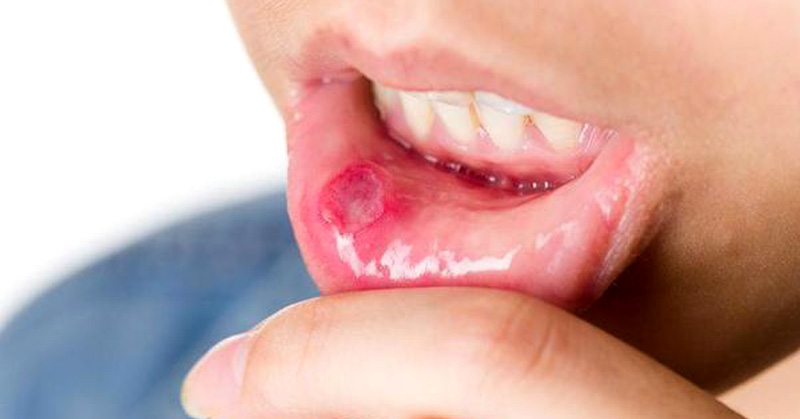
Laser treatment of recurrent aphthous stomatitis is an easy, fast and pain-free procedure. Studies have shown that ulcers treated by laser therapy provide immediate pain relief and fewer recurrences in the future.
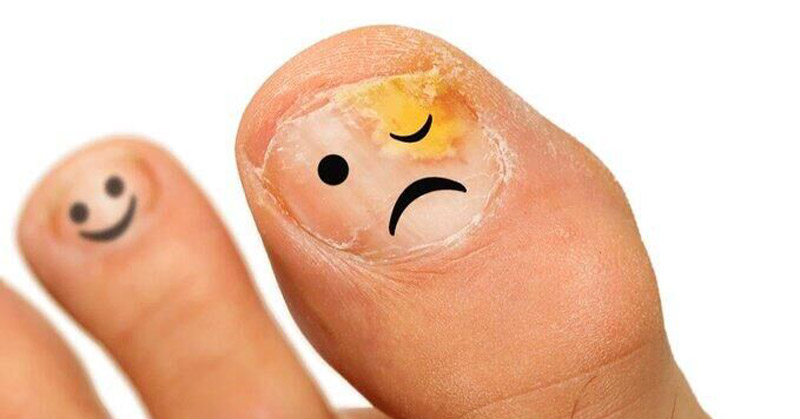
First, briefly introduce the principle of laser treatment of nail fungal toenails. Laser devices emit pulses of energy that produce heat. When used to treat onychomycosis, the laser is directed so the heat will penetrate through the toenail to the nail bed where the fungus is present.
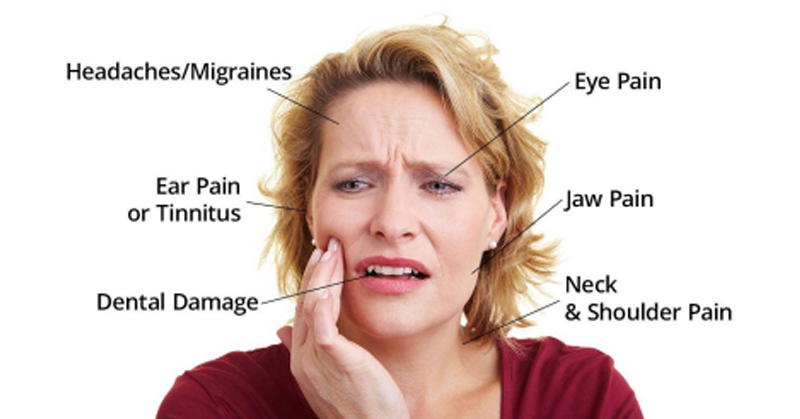
The temporomandibular joint, or TMJ, connects the jawbone to the skull. This joint performs both sliding and hinge actions, allowing the jaw to open, close, and move in circular motions. The bones that make these movements possible are covered in cartilage and separated from the jaw by a small, shock-absorbing disk.