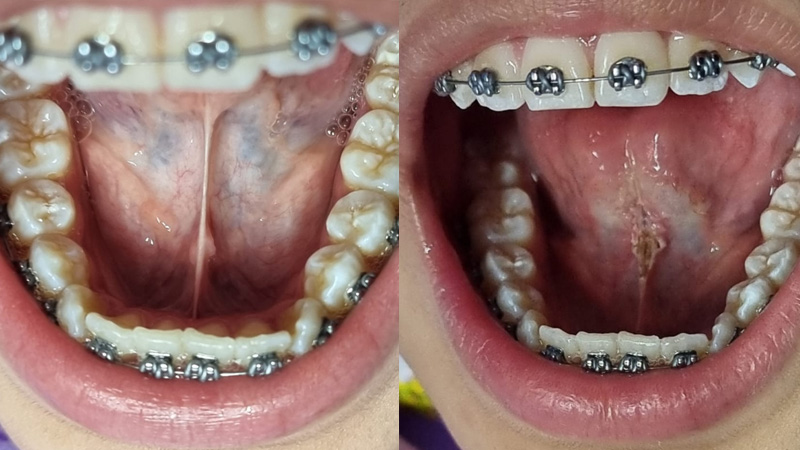
Look our S3 dental laser in the clinical application
Look our S3 dental laser in the clinical application. It's a device including three wavelengths, which can be used to different oral diseases.
Read more ›
Look our S3 dental laser in the clinical application. It's a device including three wavelengths, which can be used to different oral diseases.
Read more ›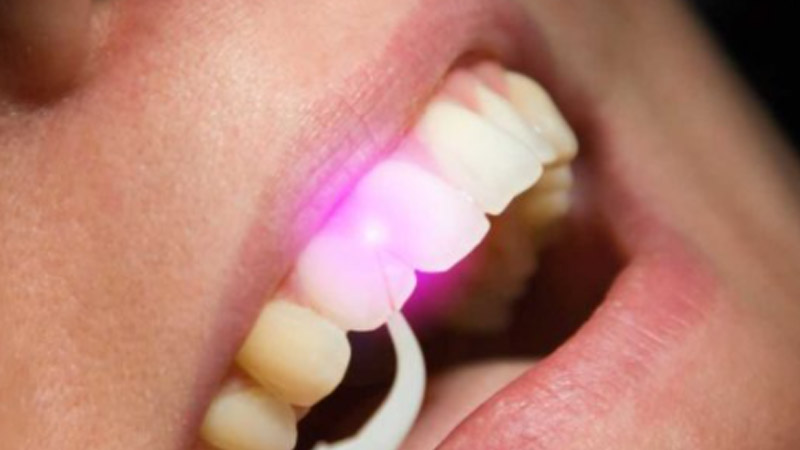
The Types of Lasers Used in Dentistry As mentioned earlier, the wavelength and frequency of the laser light are ways of classifying dental lasers. However, these parameters of the light are dependent on the active element within the laser. They can also be classified based on the type of tissues they are used on, such as hard tissue lasers (hard lasers) and soft tissue lasers (soft lasers). Hard lasers are also termed as hot lasers while soft lasers are known as cold lasers (Flowchart 1). Las
Read more ›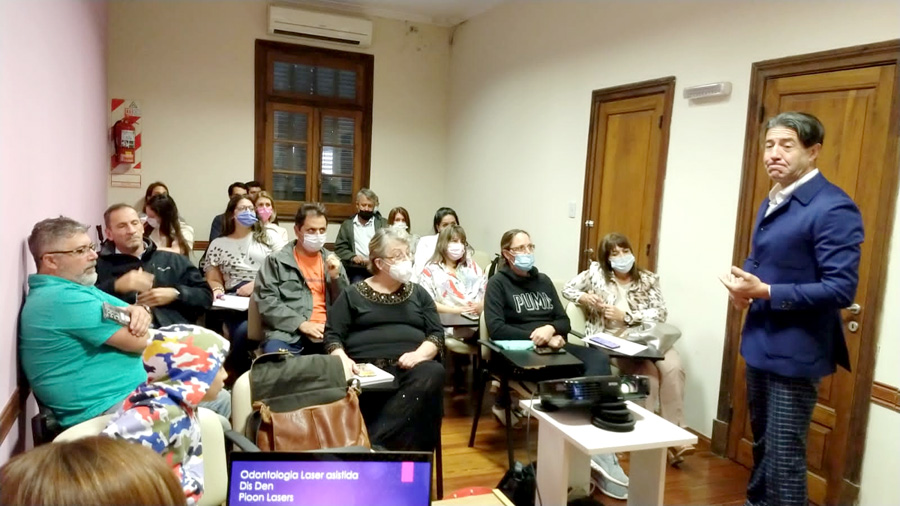
One day for salesman from Dis Den and the second day C
Read more ›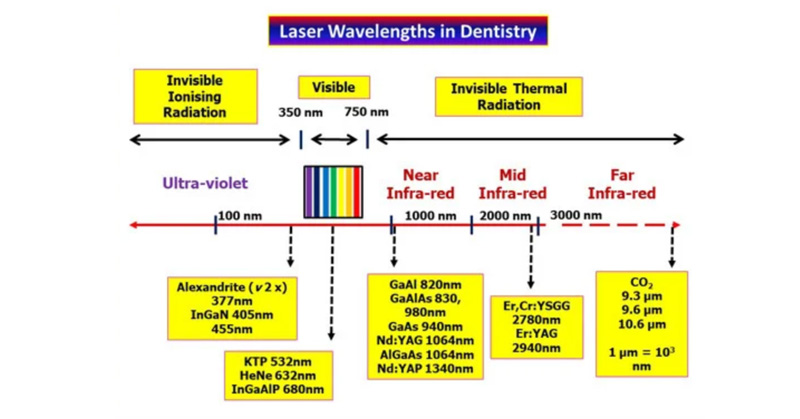
This photonic absorption within the target tissue results in an intracellular and/or intercellular change to produce the desired result. It is the basis for a dental laser’s functional dynamic process, referred to as a laser/tissue interaction.
Read more ›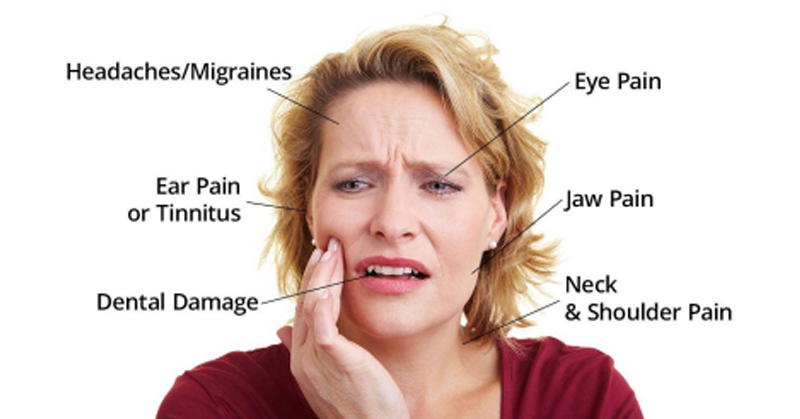
The temporomandibular joint, or TMJ, connects the jawbone to the skull. This joint performs both sliding and hinge actions, allowing the jaw to open, close, and move in circular motions. The bones that make these movements possible are covered in cartilage and separated from the jaw by a small, shock-absorbing disk.
Read more ›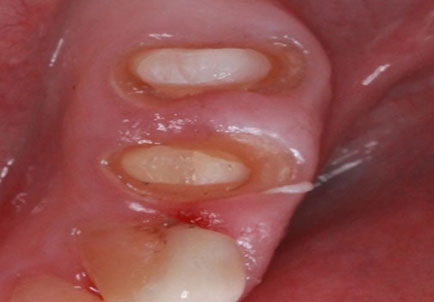
Gingival troughing is?the preparation of gingival tissue prior to taking impressions of teeth that have been prepared to receive a dental prosthesis. Fixed restorative dentistry success is dependent on the exquisite fit of restorations.
Read more ›
Lasers can make dental treatments more efficient, cost effective, and comfortable. The Food and Drug Administration (FDA) has approved dental laser as a treatment option for several dental conditions.
Read more ›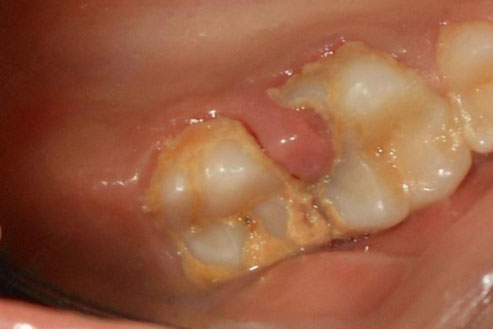
Gingival polyps, are focal fibrous hyperplastic lesions, also known as, localized gingival enlargement or “epulis”.
Read more ›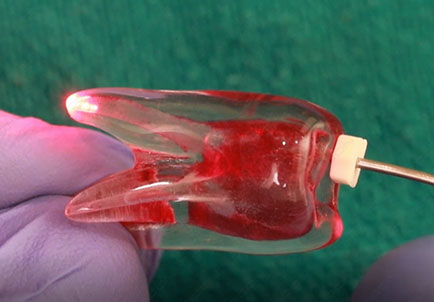
The main goal of endodontic treatment is the effective cleaning of the root-canal system and preventing the reinfection. Traditional endodontic techniques use mechanical instruments and chemical irrigation to shape, clean and completely decontaminate the endodontic system.
Read more ›