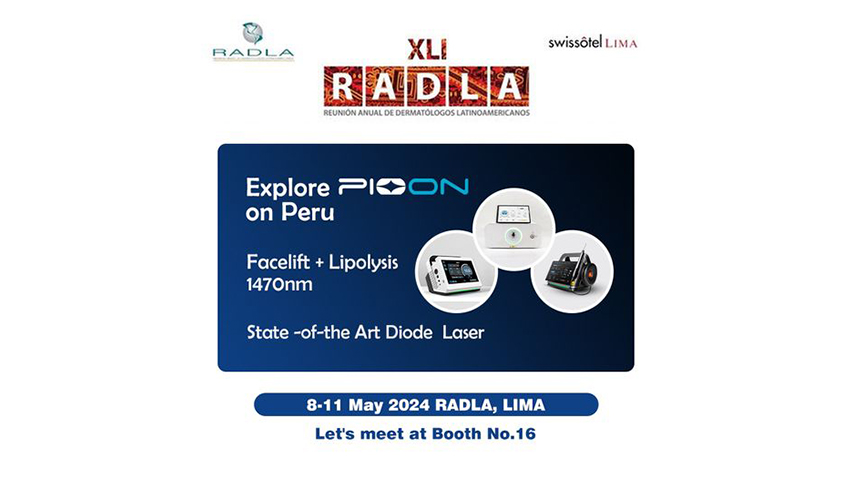
RADLA2024 is here in Lima, Peru, and PIOON will be there!
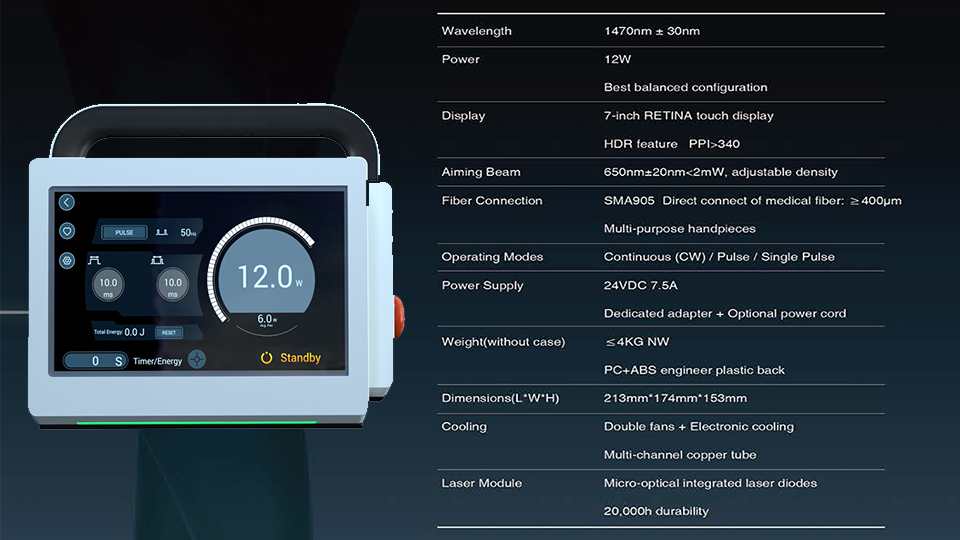
This year, we' re taking medical technology innovation to new heights. Witness our M2 with 1210nm and S1-K12 with 1470nm for incredible laser facelifts & lipolysis.
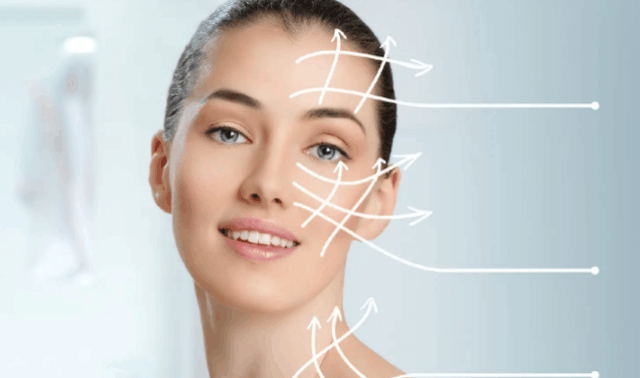
A 1470nm laser-assisted facial lifting refers to a facial rejuvenation procedure that incorporates the use of a specific laser with a wavelength of 1470nm. This laser wavelength falls within the near-infrared range and is commonly used in medical and aesthetic procedures.
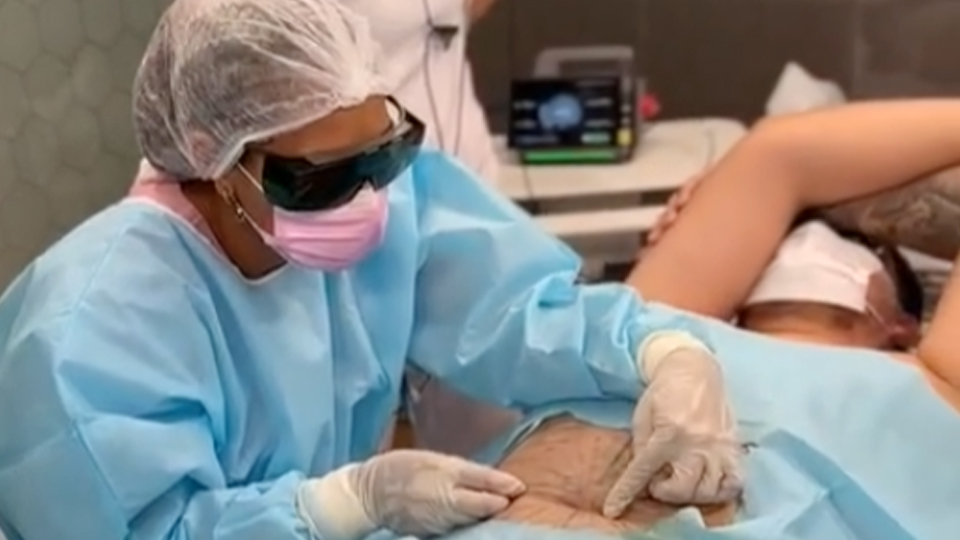
Our client achieved amazing facelift results using our S1 surgical laser model with 1470nm laser. Non-invasive, effective, and stunning transformations! Ready for a rejuvenating experience? Book your appointment now!
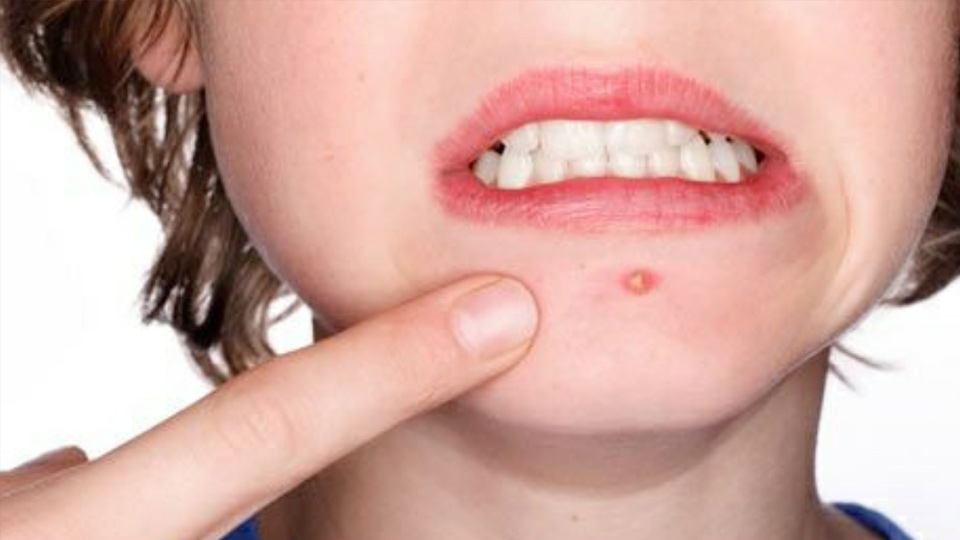
When sebaceous glands are overactive or over-produce oil, the sebum can clog pores with cuticles, forming what' s known as a ‘pimple’. These pore-clogging areas can also become a breeding ground for bacteria, especially Propionibacterium acnes, which can lead to inflammation and acne formation.
It is well known that the advantage of endovenous laser therapy at 1470nm is the higher absorption coefficient of water compared to 980nm. Therefore, laser radiation can be applied precisely into the vein wall. Additionally, the process requires less total energy and generates lower heat.
The advantage of an endovenous laser therapy with 1470 nm is that the absorption coeffcient of water is 55 to 60 times higher at this wavelength than at 980 nm. Thus, a precise application of laser radiation into the vein wall can be performed. Furthermore, the treatment requires less total energy and shows lower heat generation.
Contrary to conventional methods, laser treats pilonidal sinuses in depth. Laser removes inflammable structures and sinuses. The removal of pilonidal sinus with this laser-surgical techniques takes approximately 30 minutes in most cases.
Our S1-K12 model with 1470nm 12W was used here to finish the whole treatment. Confirmed by clinical statistics, 1470nm's recommended power ranges from 5W to 10W.
The energy of 1470nm semiconductor laser can be absorbed by hemoglobin and cell water. At the same time, 1470nm wavelength laser has strong tissue absorption rate and shallow penetration depth, and the energy directly acts on the blood vessel wall, which can completely and evenly close the blood vessel.
Due to the 4-fold higher absorption of the 1940nm laser in the interstitial water of the vein wall compared to 1470nm lasers, veins can be effectively closed with only 4-6 Watts and significantly less energy