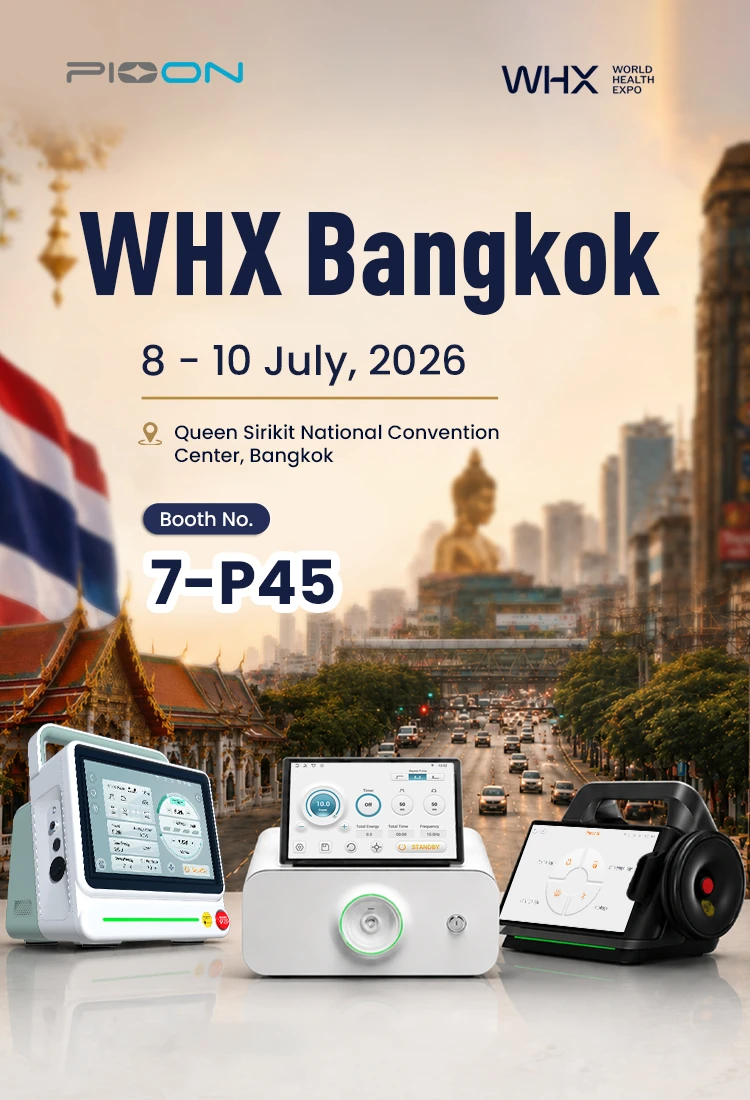
PIOON is heading to WHX Bangkok 2026!
Visit us at Booth 7-P45 and discover our latest generation of medical laser solutions developed to support minimally invasive treatments across multiple specialties.
Read more ›
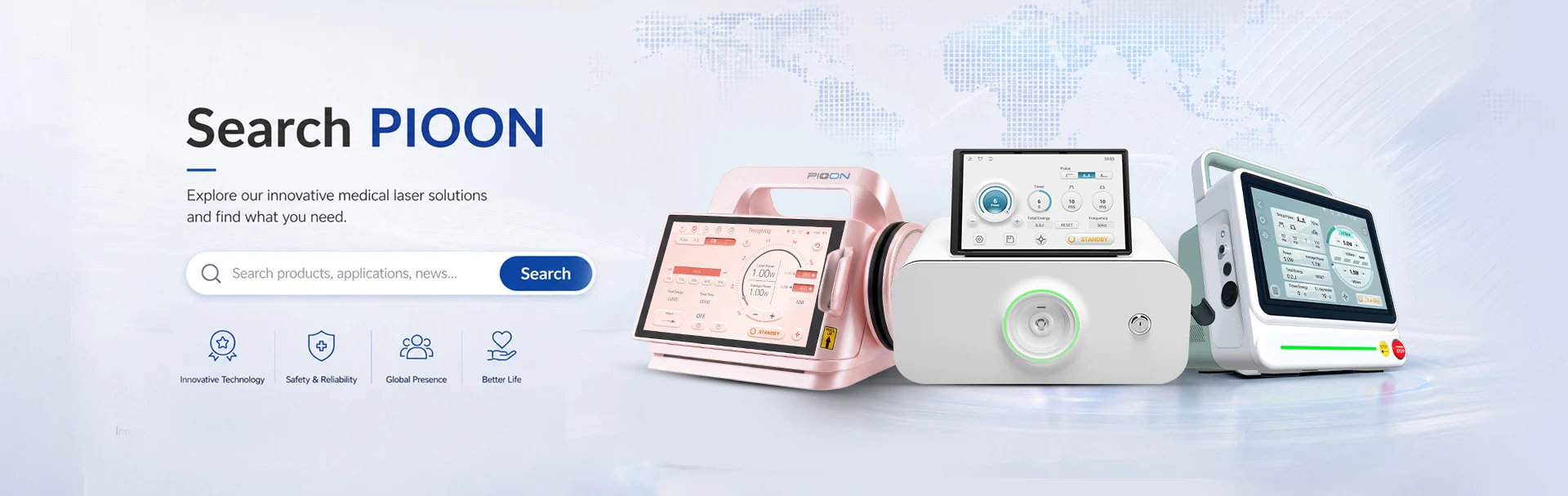
Visit us at Booth 7-P45 and discover our latest generation of medical laser solutions developed to support minimally invasive treatments across multiple specialties.
Read more ›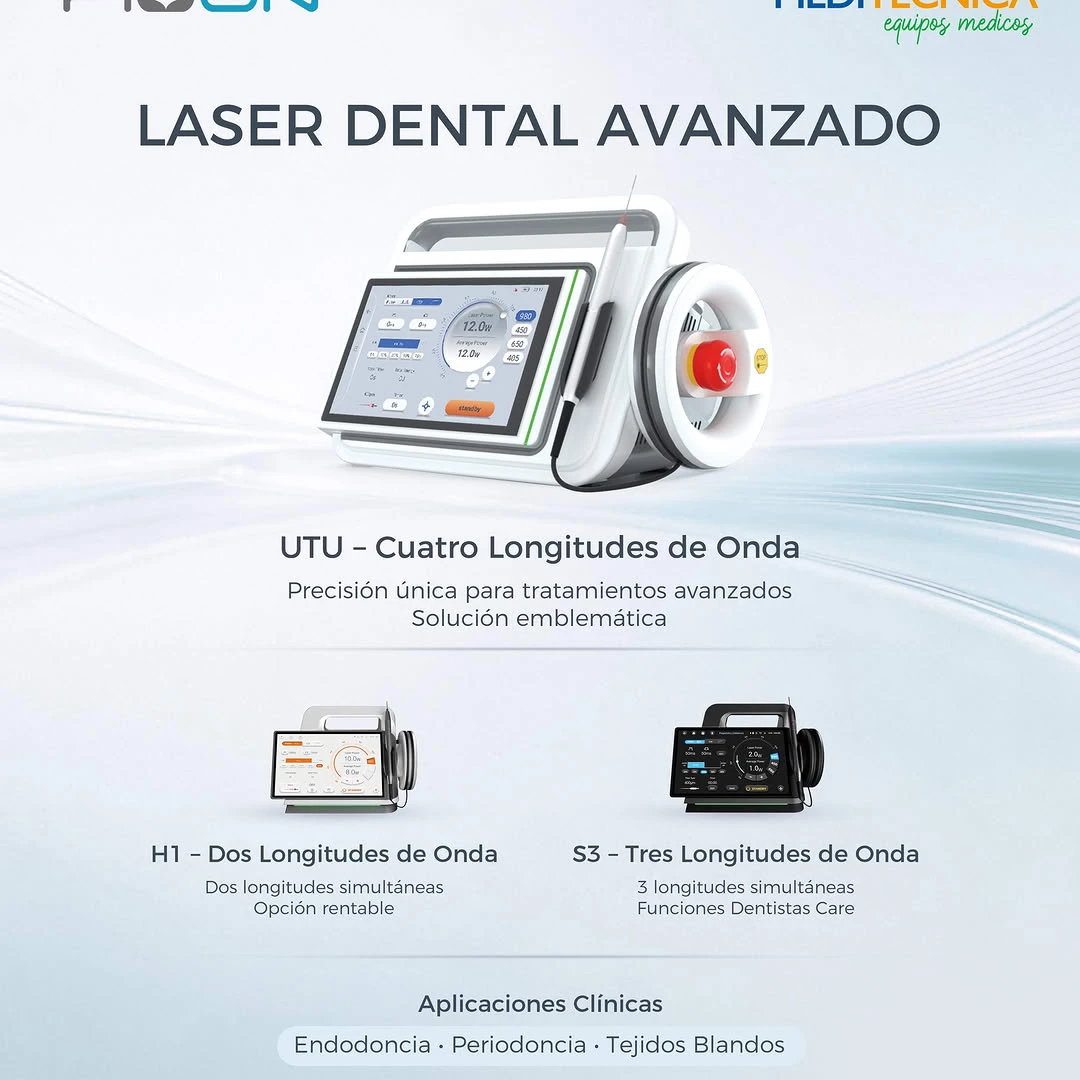
PIOON is proud to showcase multi-wavelength dental laser solutions designed to support modern clinical workflows across endodontics, periodontics, soft tissue procedures, and beyond.
Read more ›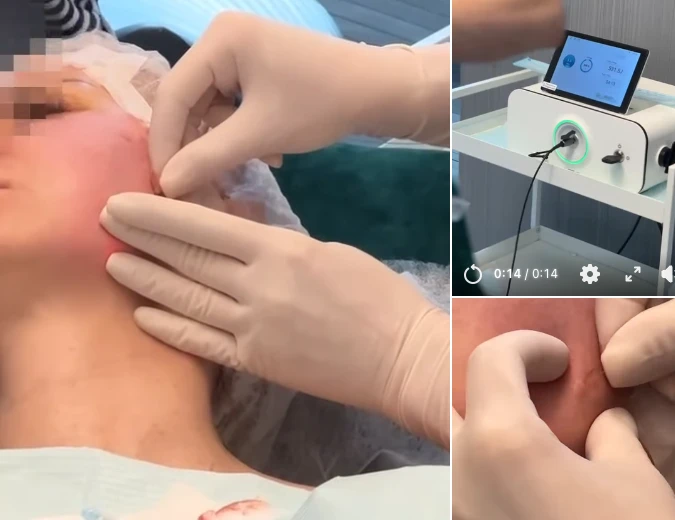
Real clinical applications continue to showcase the versatility of laser technology in modern aesthetic medicine.This case highlights the use of the 1470nm wavelength for minimally invasive tissue remodeling, offering clinicians a precise and efficient treatment option.
Read more ›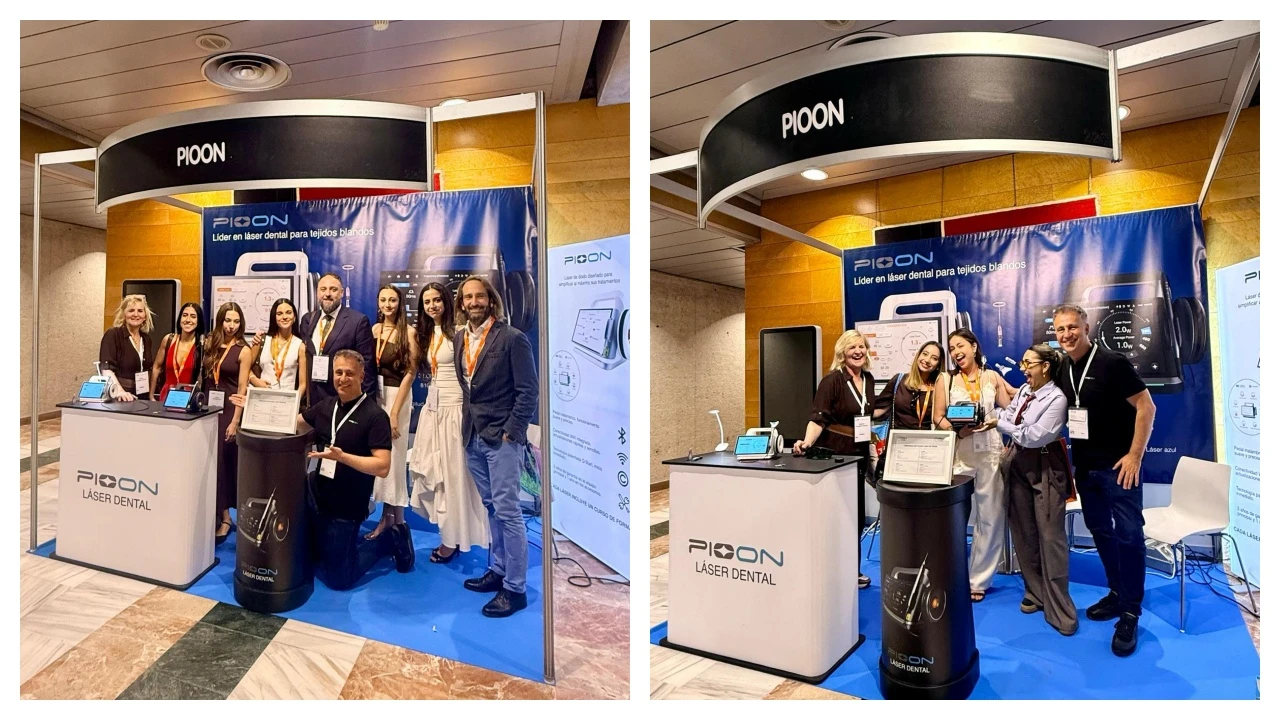
Proud to see PIOON represented at SEPA Granada 2026 in Spain by our partners Pedro Morales Pilar Martín Santiago, Beatriz Pasagali.
Read more ›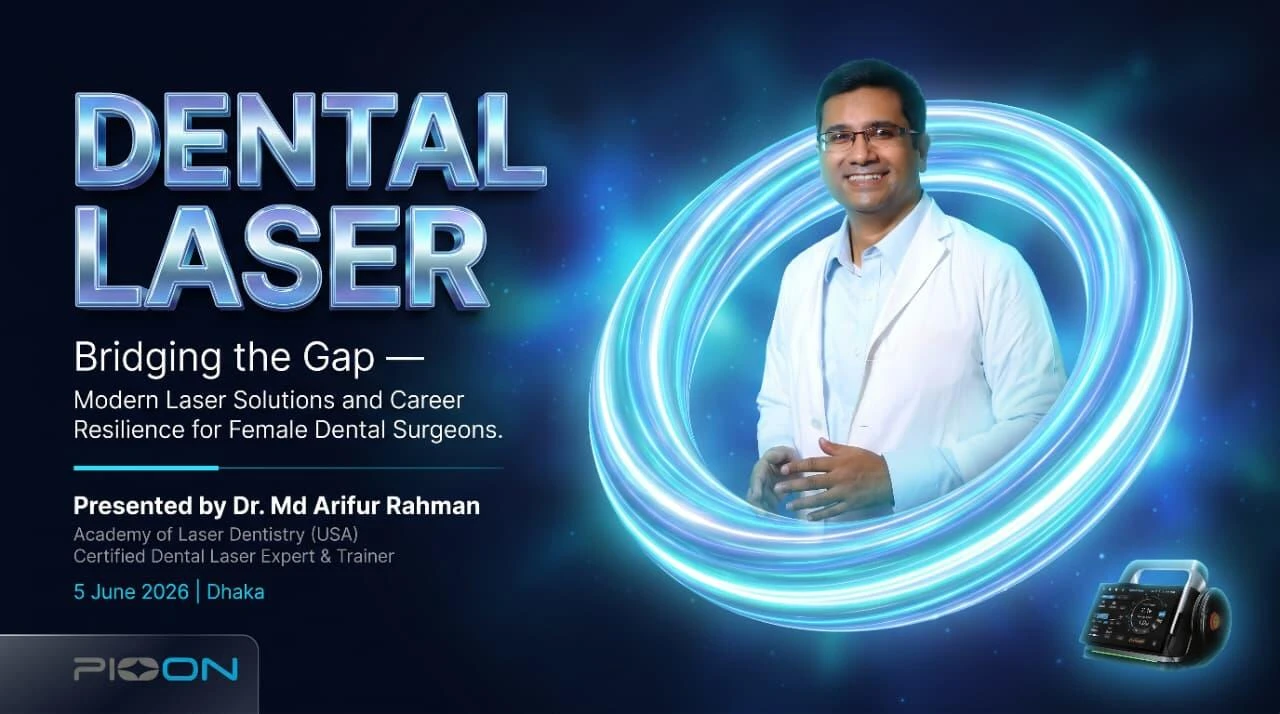
Join Md Arifur Rahman for an inspiring session on modern dental laser solutions and professional growth in dentistry. A great opportunity to learn, connect, and discover how laser technology is shaping the future of clinical practice. June 5, 2026 Dhaka See you there!
Read more ›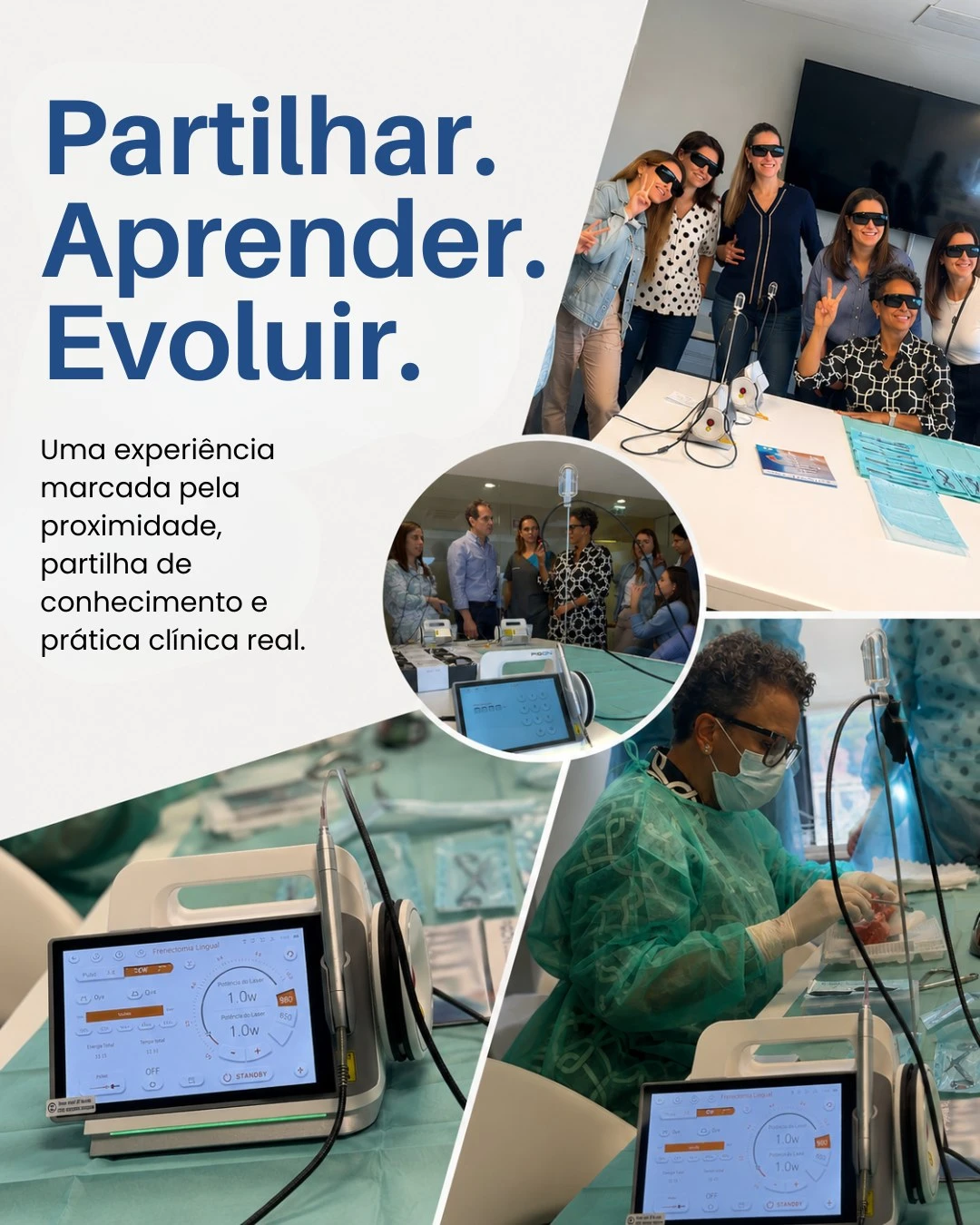
It's exciting to see clinicians exploring laser technology in real clinical settings and gaining practical insights through direct experience. A big thank you to Medicamark for sharing these highlights and supporting continuous education in modern dentistry.
Read more ›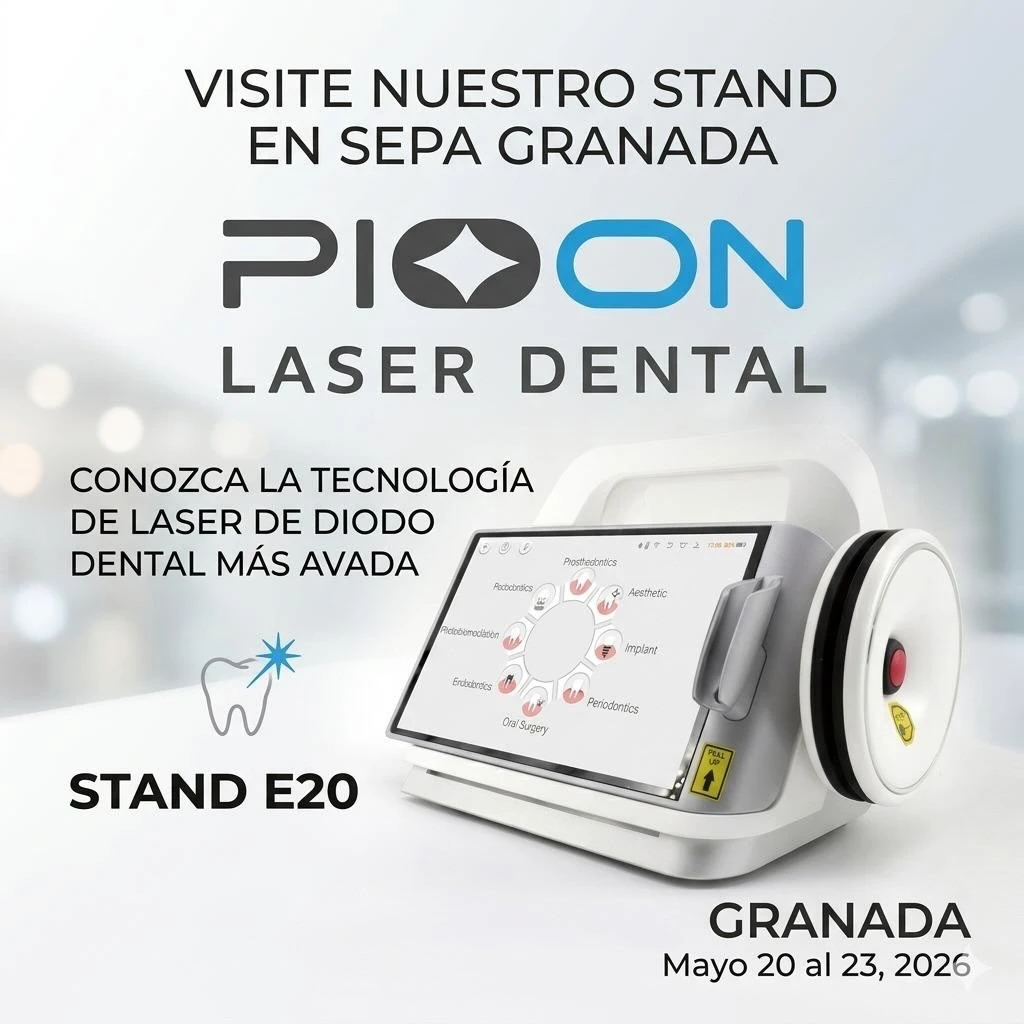
We are thrilled to join forces with our incredible partners at SEPA Granada 2026. If you are attending, make sure to stop by Stand E20 at the Congress Palace to witness the future of minimally invasive dentistry.
Read more ›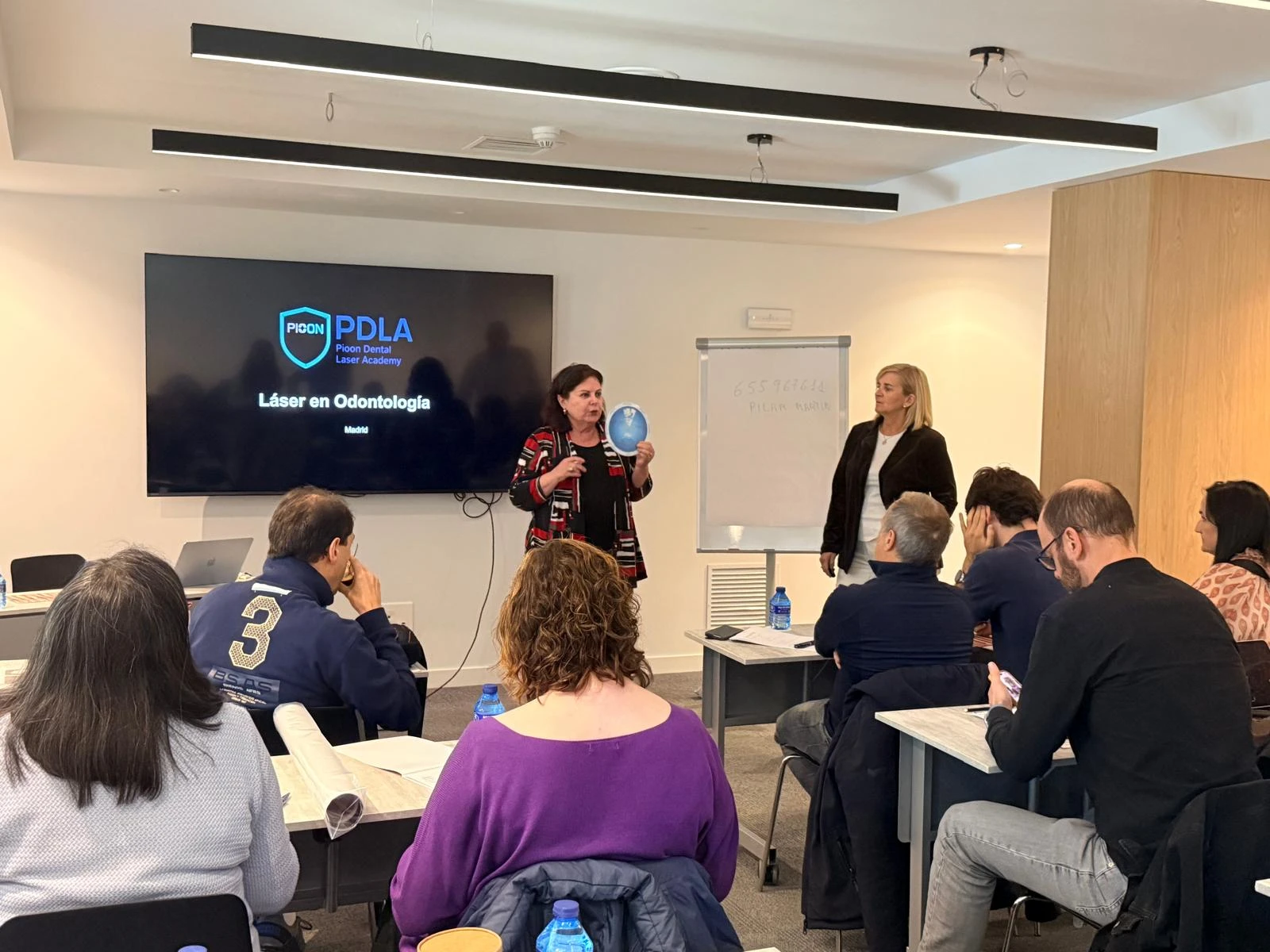
Together with Pedro Morales Pilar Martín Santiago and global clinical experts, the discussions at the Fabric Regeneration Days highlighted how laser technology, regenerative concepts, and minimally invasive approaches are reshaping modern dental practice.
Read more ›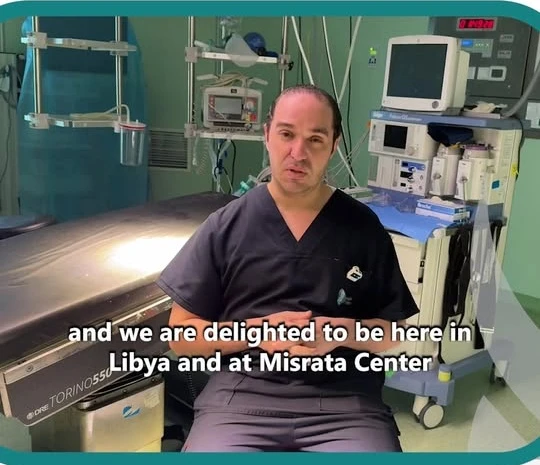
We are proud to see PIOON surgical laser technology supporting hands-on education and the advancement of minimally invasive proctology procedures across Libya.
Read more ›